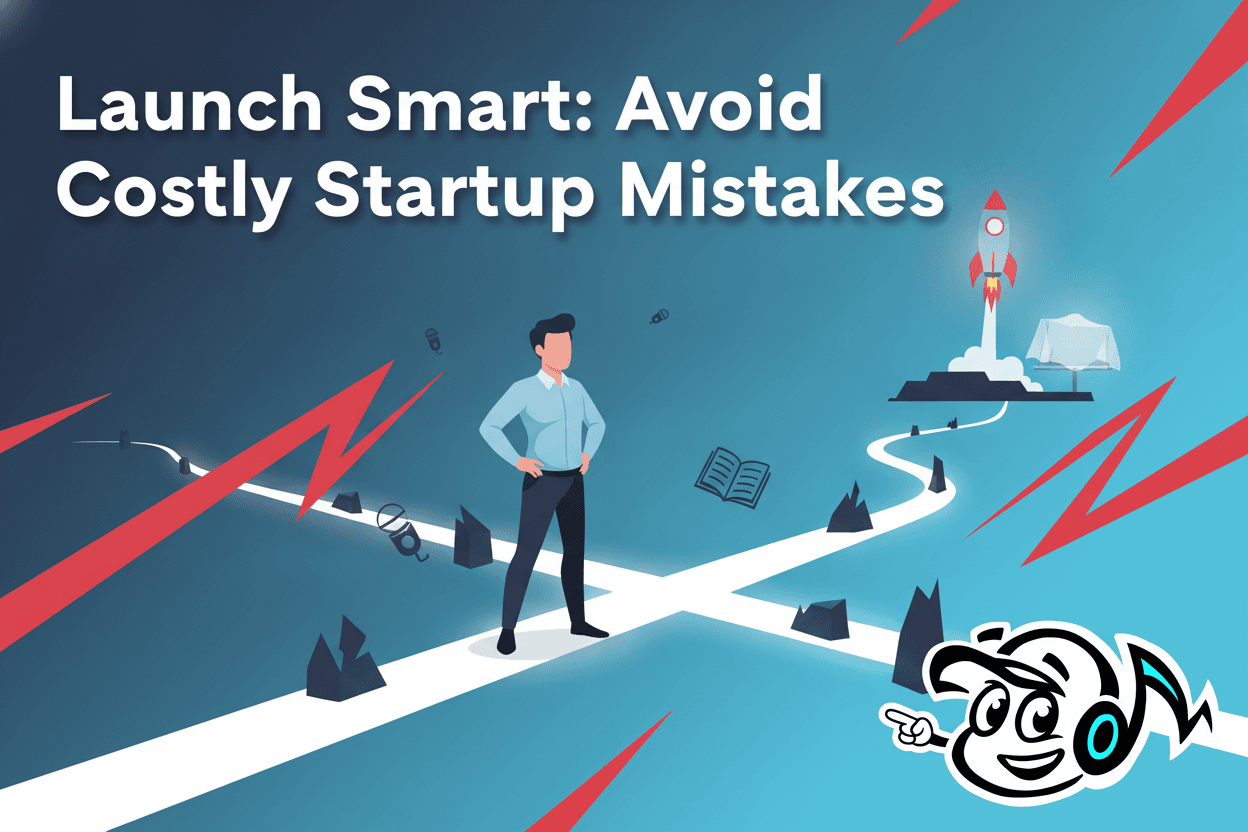
Avoiding Common Pitfalls in Your First Product Launch
Launching your first product is a monumental step for any founder, consultant, small business owner, or creator. It’s the culmination of countless hours of ideation, development, and dedication. Yet, the excitement of bringing something new to the world often comes with a unique set of first product launch pitfalls that can derail even the most promising ventures.
For those operating without a full PR team, the stakes are even higher. You're not just building a product; you're also its chief marketer, storyteller, and crisis manager. This blog post is designed to be your practical guide, helping you anticipate and navigate these challenges, ensuring your inaugural launch builds a foundation of credibility and sustainable growth, rather than just fleeting buzz.
Introduction: Why Your First Launch Demands Strategic Preparation
The journey from concept to market is exhilarating, but for solo founders, small to medium-sized businesses (SMBs), and independent creators, the startup launch mistakes can feel particularly daunting. You often wear multiple hats, juggling development, operations, and customer engagement, all while trying to make a splash in a crowded market.
Your first product launch isn't merely about unveiling what you've built; it's about strategically introducing it to the world in a way that resonates, builds trust, and sets the stage for long-term success. Many fall into the trap of focusing solely on product development, neglecting the critical pre-launch planning that can make or break an initiative. The goal isn't just to launch, but to launch well, cultivating credibility from day one. This means prioritizing trust over hype and ensuring your messaging is prepared, clear, and consistent. Interview-led storytelling becomes an invaluable asset here, helping you manage expectations and articulate your vision effectively, even before the product hits the market.
Pre-Launch Planning: Building a Resilient Foundation
One of the most significant first product launch pitfalls is underestimating the power of thorough pre-launch planning. A robust foundation minimizes minimizing launch risks and positions your product for genuine market acceptance. This isn't just about ticking boxes; it's about understanding your ecosystem deeply.
Beyond the Product: Deep Market Understanding
A common startup launch mistake is to develop a product in isolation, assuming there's a market simply because you see a need. This "product before market" pitfall can lead to a spectacular failure upon launch. Comprehensive market research is non-negotiable. It involves understanding your potential customers' pain points, existing solutions, and what truly differentiates your offering. As a helpful article from Forbes highlights, insufficient market research is a frequent challenge.
Crafting Your Go-To-Market (GTM) Strategy
Your go-to-market strategy for startups is your blueprint for success. It defines who your target audience is, what unique value you bring, and how you will reach and convert those customers. This involves more than just identifying your ideal user; it requires a strong business positioning strategy that clearly articulates your place in the market and why you matter. Developing a clear product launch timeline is crucial for coordinating all moving parts, ensuring everything from marketing collateral to customer support is ready on schedule. Furthermore, leveraging an ultimate product launch checklist can provide a structured approach to covering all essential pre-launch tasks, from legal considerations to marketing asset creation.
The Power of Pre-Launch Validation
To avoid minimizing launch risks, early feedback and validation are paramount. This involves more than just asking friends what they think. Beta testing with a diverse group of potential users, conducting in-depth user interviews, and running small-scale pilot programs can uncover critical usability issues, identify missing features, and validate your core value proposition. This iterative process allows you to refine your product and messaging before a widespread launch, saving you significant time, money, and reputation damage down the line. As MarketingProfs emphasizes, avoiding "product before market" is key, and early validation is the best way to do that.
The Communication Conundrum: Messaging for Trust, Not Just Buzz
Effective communication is the bedrock of a successful first product launch. Without a dedicated PR team, you need to be exceptionally deliberate about how you convey your message, both internally and externally. The goal is to build genuine trust and credibility, not just temporary hype that can quickly fizzle out.
Internal Alignment: Speaking with One Voice
Even for solo founders or small teams, internal communication is vital. If you have partners, contractors, or even a virtual assistant, ensuring everyone understands the product's core message, target audience, and launch goals is crucial. Inadequate interdepartmental communication, as Forbes points out, can lead to mixed messages and confusion, which ultimately impacts external perception. Poor team alignment on key talking points is a common startup launch mistake that can easily be mitigated with clear, consistent internal briefings.
External Messaging: Managing Expectations and Building Credibility
Your external messaging must be consistent, transparent, and focused on genuine value. Avoid exaggerated claims or hyperbolic language. Instead, concentrate on clearly articulating the problem your product solves, its unique benefits, and who it's for. Managing expectations is critical; it's better to under-promise and over-deliver than the reverse. Building genuine credibility means being honest about what your product can and cannot do, and focusing on the tangible impact it will have on your users. This authentic approach is far more sustainable than chasing fleeting buzz. MarketingProfs also highlights that clarity in communication prevents many launch pitfalls.
Preparing for Press: Your Story, Their Questions
Even without a PR firm, you might find yourself interacting with media, industry influencers, or potential partners. Preparing for these interactions is key to minimizing launch risks and maximizing impact. This means crafting concise, interview-ready answers to anticipated questions about your product, your vision, and your journey. Knowing your key messages inside out will help you avoid common media pitching mistakes, such as rambling or failing to articulate your unique selling proposition clearly.
Leveraging interview-led storytelling is particularly powerful here. By thinking about your product narrative through the lens of a journalist's questions, you can transform complex features into compelling, press-ready outputs. This proactive approach ensures that when opportunities arise, you're not scrambling but are instead ready to share a coherent and credible story.
Navigating the Launch Day and Beyond: Anticipating the Unexpected
Launch day is exciting, but it's also when all your planning is put to the ultimate test. Anticipating potential issues and having contingency plans in place can prevent first product launch pitfalls from becoming catastrophic failures. The work doesn't stop once your product goes live; it's just beginning.
Technical Readiness and Contingency Planning
Nothing sours a launch faster than technical glitches. Before the big day, stress-test every aspect of your product and its supporting infrastructure. This includes your website, payment gateways, servers, and any third-party integrations. Develop clear contingency plans for common launch day issues: "What if the website crashes?" "What if the payment system fails?" "What if the download link breaks?" Having pre-written messages, alternative solutions, and a clear chain of command for addressing these issues can save your reputation and reduce stress during a high-stakes period.
Handling Early Feedback and Criticism Gracefully
After launch, you will inevitably receive feedback – some positive, some critical. How you handle this early feedback is crucial for building a loyal customer base and refining your offering. Establish efficient customer support channels (e.g., email, dedicated forum, live chat) to address inquiries and issues promptly and professionally. Respond to criticism with empathy and a genuine desire to understand and improve. Publicly acknowledging and addressing issues demonstrates transparency and commitment to your users, turning potential startup launch mistakes into opportunities for growth. Remember, every piece of feedback is a chance to learn and iterate.
Post-Launch Analysis: What to Measure and Why
The launch is not the finish line; it's the start of a new phase. Identifying key metrics for post-launch success is paramount for understanding your product's performance and making informed decisions. These might include website traffic, conversion rates, user engagement, customer acquisition costs, churn rates, and customer satisfaction scores. Commit to continuous iteration based on data. Regular analysis of these metrics will reveal what's working, what isn't, and where you need to adjust your go-to-market strategy for startups or product features. This data-driven approach is essential for long-term growth and avoiding future first product launch pitfalls.
Turning Pitfalls into Growth: The Power of Your Founder Story
Every challenge encountered during your first product launch, every lesson learned, is not a setback but an opportunity. These experiences form the authentic narrative of your brand, a powerful tool for building credibility and connection with your audience.
Documenting Your Journey: Learning from Every Step
As a founder, your journey is your unique selling proposition. The struggles, the pivots, the small victories – these are the human elements that resonate deeply with customers. Documenting your launch journey, including the startup launch mistakes and how you overcame them, provides compelling content. It shows transparency, resilience, and a commitment to continuous improvement. These insights can be invaluable for others embarking on similar paths and for your own team's future endeavors.
Repurposing Your Insights: From Interviews to Assets
This is where tools like ToniPR become incredibly powerful. Instead of letting your hard-won insights and stories remain anecdotal, you can utilize such platforms to turn your launch story, lessons learned, and responses to anticipated questions into ready-to-use content. Imagine easily transforming an interview about your launch challenges into polished quotes for press releases, engaging LinkedIn posts, or even a comprehensive article for your blog. This repurposing capability ensures that your authentic narrative, born from the launch experience, is consistently amplified across various channels, building a robust public presence without requiring a full PR team.
Building Credibility Through Authentic Storytelling
Reinforcing your brand's credibility through consistent, honest narratives about your product's evolution is a long-term strategy. It's about demonstrating that you are responsive, adaptable, and genuinely invested in your users' success. This approach embraces ethical PR habits, focusing on transparent communication and value delivery rather than chasing fleeting trends or making unsubstantiated claims. By sharing your authentic story – including the first product launch pitfalls you encountered and how you addressed them – you foster a deeper connection with your audience, positioning yourself as a trusted expert and your product as a reliable solution. This long-term approach to brand building prioritizes genuine engagement and sustainable growth over quick wins, setting you apart in a competitive landscape.
Frequently Asked Questions About Your First Product Launch

What's the single most important thing for a first-time founder to focus on during a product launch?
The single most important thing is to prioritize deep market understanding and customer validation. Many startup launch mistakes stem from building a product in isolation. By thoroughly researching your target audience, understanding their pain points, and validating your solution with early feedback through beta testing and user interviews, you significantly reduce minimizing launch risks and ensure your product genuinely meets a market need. This foundational work informs every other aspect of your pre-launch planning and go-to-market strategy for startups.
How can I manage expectations with customers and the media effectively without a large PR team?
Effective expectation management relies on clear, consistent, and transparent communication. Without a large PR team, you need to be your own chief storyteller. Focus on crafting honest external messaging that highlights your product's genuine value and limitations. Prepare concise, interview-ready answers to anticipated questions. Use tools like ToniPR to articulate your narrative, turning your insights into press-ready content. Avoid hype; instead, build credibility by focusing on tangible benefits and being upfront about your product's capabilities. This builds trust and sets realistic expectations from the outset.
What are practical ways to get honest feedback on my product before and after launch?
Before launch, engage in beta testing with diverse users, conduct one-on-one user interviews, and run small pilot programs. Ask open-ended questions about their experience and actively listen to their challenges. After launch, establish clear and accessible channels for feedback, such as dedicated support emails, in-app feedback forms, or a community forum. Monitor social media and online reviews. Most importantly, actively respond to feedback, both positive and critical, demonstrating that you value user input and are committed to continuous improvement. This iterative process is key to minimizing launch risks and refining your offering.
How can I use my launch experience, good or bad, to build long-term credibility?
Your launch journey, including any first product launch pitfalls or successes, is a powerful narrative. Document your challenges, the lessons learned, and how you adapted. Share these stories authentically through your blog, social media, and interviews. This transparency builds trust and demonstrates resilience. Utilize tools like ToniPR to transform these experiences into compelling, press-ready content, such as quotes, LinkedIn posts, or articles that highlight your commitment to growth and learning. By consistently sharing your honest narrative, you reinforce your brand's credibility and establish yourself as a thought leader in your space, fostering a deeper connection with your audience over the long term.
Avoiding Common Pitfalls in Your First Product Launch
Launching your first product is a monumental step for any founder, consultant, small business owner, or creator. It’s the culmination of countless hours of ideation, development, and dedication. Yet, the excitement of bringing something new to the world often comes with a unique set of first product launch pitfalls that can derail even the most promising ventures.
For those operating without a full PR team, the stakes are even higher. You're not just building a product; you're also its chief marketer, storyteller, and crisis manager. This blog post is designed to be your practical guide, helping you anticipate and navigate these challenges, ensuring your inaugural launch builds a foundation of credibility and sustainable growth, rather than just fleeting buzz.
Introduction: Why Your First Launch Demands Strategic Preparation
The journey from concept to market is exhilarating, but for solo founders, small to medium-sized businesses (SMBs), and independent creators, the startup launch mistakes can feel particularly daunting. You often wear multiple hats, juggling development, operations, and customer engagement, all while trying to make a splash in a crowded market.
Your first product launch isn't merely about unveiling what you've built; it's about strategically introducing it to the world in a way that resonates, builds trust, and sets the stage for long-term success. Many fall into the trap of focusing solely on product development, neglecting the critical pre-launch planning that can make or break an initiative. The goal isn't just to launch, but to launch well, cultivating credibility from day one. This means prioritizing trust over hype and ensuring your messaging is prepared, clear, and consistent. Interview-led storytelling becomes an invaluable asset here, helping you manage expectations and articulate your vision effectively, even before the product hits the market.
Pre-Launch Planning: Building a Resilient Foundation
One of the most significant first product launch pitfalls is underestimating the power of thorough pre-launch planning. A robust foundation minimizes minimizing launch risks and positions your product for genuine market acceptance. This isn't just about ticking boxes; it's about understanding your ecosystem deeply.
Beyond the Product: Deep Market Understanding
A common startup launch mistake is to develop a product in isolation, assuming there's a market simply because you see a need. This "product before market" pitfall can lead to a spectacular failure upon launch. Comprehensive market research is non-negotiable. It involves understanding your potential customers' pain points, existing solutions, and what truly differentiates your offering. As a helpful article from Forbes highlights, insufficient market research is a frequent challenge.
Crafting Your Go-To-Market (GTM) Strategy
Your go-to-market strategy for startups is your blueprint for success. It defines who your target audience is, what unique value you bring, and how you will reach and convert those customers. This involves more than just identifying your ideal user; it requires a strong business positioning strategy that clearly articulates your place in the market and why you matter. Developing a clear product launch timeline is crucial for coordinating all moving parts, ensuring everything from marketing collateral to customer support is ready on schedule. Furthermore, leveraging an ultimate product launch checklist can provide a structured approach to covering all essential pre-launch tasks, from legal considerations to marketing asset creation.
The Power of Pre-Launch Validation
To avoid minimizing launch risks, early feedback and validation are paramount. This involves more than just asking friends what they think. Beta testing with a diverse group of potential users, conducting in-depth user interviews, and running small-scale pilot programs can uncover critical usability issues, identify missing features, and validate your core value proposition. This iterative process allows you to refine your product and messaging before a widespread launch, saving you significant time, money, and reputation damage down the line. As MarketingProfs emphasizes, avoiding "product before market" is key, and early validation is the best way to do that.
The Communication Conundrum: Messaging for Trust, Not Just Buzz
Effective communication is the bedrock of a successful first product launch. Without a dedicated PR team, you need to be exceptionally deliberate about how you convey your message, both internally and externally. The goal is to build genuine trust and credibility, not just temporary hype that can quickly fizzle out.
Internal Alignment: Speaking with One Voice
Even for solo founders or small teams, internal communication is vital. If you have partners, contractors, or even a virtual assistant, ensuring everyone understands the product's core message, target audience, and launch goals is crucial. Inadequate interdepartmental communication, as Forbes points out, can lead to mixed messages and confusion, which ultimately impacts external perception. Poor team alignment on key talking points is a common startup launch mistake that can easily be mitigated with clear, consistent internal briefings.
External Messaging: Managing Expectations and Building Credibility
Your external messaging must be consistent, transparent, and focused on genuine value. Avoid exaggerated claims or hyperbolic language. Instead, concentrate on clearly articulating the problem your product solves, its unique benefits, and who it's for. Managing expectations is critical; it's better to under-promise and over-deliver than the reverse. Building genuine credibility means being honest about what your product can and cannot do, and focusing on the tangible impact it will have on your users. This authentic approach is far more sustainable than chasing fleeting buzz. MarketingProfs also highlights that clarity in communication prevents many launch pitfalls.
Preparing for Press: Your Story, Their Questions
Even without a PR firm, you might find yourself interacting with media, industry influencers, or potential partners. Preparing for these interactions is key to minimizing launch risks and maximizing impact. This means crafting concise, interview-ready answers to anticipated questions about your product, your vision, and your journey. Knowing your key messages inside out will help you avoid common media pitching mistakes, such as rambling or failing to articulate your unique selling proposition clearly.
Leveraging interview-led storytelling is particularly powerful here. By thinking about your product narrative through the lens of a journalist's questions, you can transform complex features into compelling, press-ready outputs. This proactive approach ensures that when opportunities arise, you're not scrambling but are instead ready to share a coherent and credible story.
Navigating the Launch Day and Beyond: Anticipating the Unexpected
Launch day is exciting, but it's also when all your planning is put to the ultimate test. Anticipating potential issues and having contingency plans in place can prevent first product launch pitfalls from becoming catastrophic failures. The work doesn't stop once your product goes live; it's just beginning.
Technical Readiness and Contingency Planning
Nothing sours a launch faster than technical glitches. Before the big day, stress-test every aspect of your product and its supporting infrastructure. This includes your website, payment gateways, servers, and any third-party integrations. Develop clear contingency plans for common launch day issues: "What if the website crashes?" "What if the payment system fails?" "What if the download link breaks?" Having pre-written messages, alternative solutions, and a clear chain of command for addressing these issues can save your reputation and reduce stress during a high-stakes period.
Handling Early Feedback and Criticism Gracefully
After launch, you will inevitably receive feedback – some positive, some critical. How you handle this early feedback is crucial for building a loyal customer base and refining your offering. Establish efficient customer support channels (e.g., email, dedicated forum, live chat) to address inquiries and issues promptly and professionally. Respond to criticism with empathy and a genuine desire to understand and improve. Publicly acknowledging and addressing issues demonstrates transparency and commitment to your users, turning potential startup launch mistakes into opportunities for growth. Remember, every piece of feedback is a chance to learn and iterate.
Post-Launch Analysis: What to Measure and Why
The launch is not the finish line; it's the start of a new phase. Identifying key metrics for post-launch success is paramount for understanding your product's performance and making informed decisions. These might include website traffic, conversion rates, user engagement, customer acquisition costs, churn rates, and customer satisfaction scores. Commit to continuous iteration based on data. Regular analysis of these metrics will reveal what's working, what isn't, and where you need to adjust your go-to-market strategy for startups or product features. This data-driven approach is essential for long-term growth and avoiding future first product launch pitfalls.
Turning Pitfalls into Growth: The Power of Your Founder Story
Every challenge encountered during your first product launch, every lesson learned, is not a setback but an opportunity. These experiences form the authentic narrative of your brand, a powerful tool for building credibility and connection with your audience.
Documenting Your Journey: Learning from Every Step
As a founder, your journey is your unique selling proposition. The struggles, the pivots, the small victories – these are the human elements that resonate deeply with customers. Documenting your launch journey, including the startup launch mistakes and how you overcame them, provides compelling content. It shows transparency, resilience, and a commitment to continuous improvement. These insights can be invaluable for others embarking on similar paths and for your own team'