Launching a new product, service, or even a refreshed offering is a pivotal moment for any founder, consultant, small business owner, or creator. It’s an opportunity to capture attention, generate excitement, and establish your solution in the market. However, without a structured approach, even the most innovative products can struggle to gain traction.
At ToniPR, we understand that credible visibility doesn't happen by accident. It's the result of strategic planning, authentic storytelling, and consistent effort. This comprehensive guide outlines a practical, step-by-step new product launch timeline, designed to help you navigate the complexities of bringing your vision to life, ensuring your message resonates, and building lasting credibility.
Forget the hype. Our focus is on empowering you with a clear product launch checklist and a strategic framework that emphasizes interview-led storytelling, repurposing content, and building a strong LinkedIn presence. Let's get started on your path to a successful product launch.
Phase 1: Laying the Groundwork – Pre-Launch Strategy (6-8 Weeks Out)
The success of your launch hinges on the foundational work you do before any public announcement. This phase is about deep understanding, strategic positioning, and meticulous preparation of your core message and assets.
Defining Your Go-To-Market Strategy and Audience
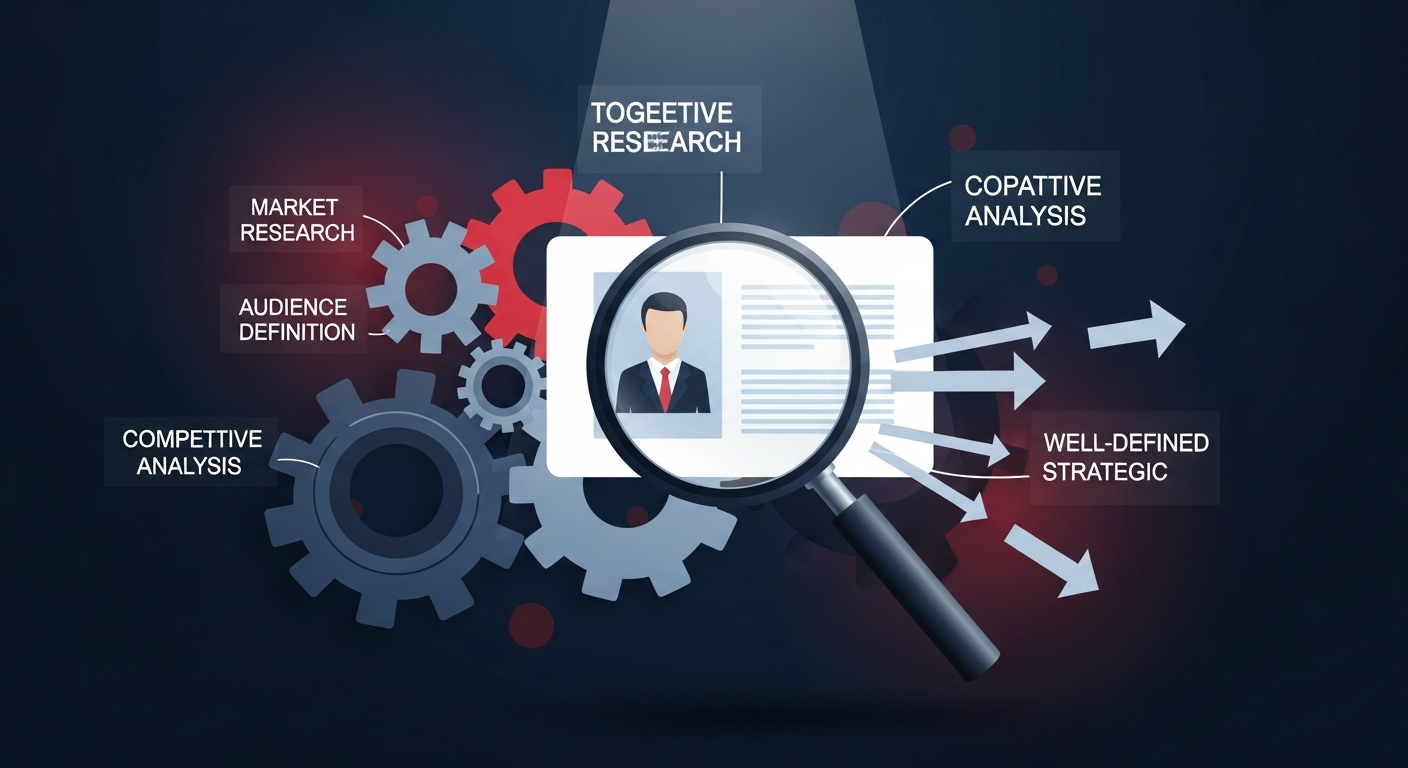
- Conduct thorough market research to identify your ideal customer and competitive landscape. Who are you building this for? What problems does it solve for them specifically? Understanding your target audience's pain points, demographics, and behaviors is paramount. Simultaneously, analyze your competitors. What are they doing well? Where are their gaps? Your offering should fill those gaps or provide a superior solution.
- Outline your unique value proposition, pricing model, and distribution channels. Your unique value proposition (UVP) is the core reason customers should choose you. Articulate it clearly. How will you price your product to reflect its value and remain competitive? And critically, how will your product reach your customers? Through your website, app stores, direct sales, partners, or a combination? This forms the backbone of your go-to-market strategy.
- Develop a strong market positioning strategy for your new offering. Positioning isn't just what your product does; it's how you want it to be perceived in the market relative to alternatives. Are you the premium choice, the most accessible, the most innovative, or the easiest to use? This perception guides all your messaging and marketing efforts. For a deeper dive, read our guide on Positioning Your Business: A Playbook for Market Differentiation.
Crafting Your Core Message and Positioning
- Create a clear, concise messaging framework that resonates with your target audience. This framework should include your elevator pitch, key benefits (not just features), and a consistent tone of voice. Every piece of communication, from your website copy to social media posts, should align with this framework.
- Draft compelling interview answers that capture your founder story and product's essence. This is where ToniPR shines. By preparing thoughtful responses to PR-style questions, you're not just ready for interviews; you're crystallizing your narrative. Your founder story provides authenticity and connection, while clearly articulating your product's essence ensures your value is understood.
Preparing Your PR & Content Assets for Impact
- Learn how to craft a compelling press release for your product announcement. While the media landscape has evolved, a well-written press release remains a vital tool for formal announcements, providing key information to journalists and establishing an official record. It’s a foundational piece of your launch strategy. Discover how to create one with our guide: Crafting a compelling press release: A step-by-step guide.
- Assemble essential media kit elements: high-res images, founder bio, product description. A robust media kit makes it easy for journalists, bloggers, and partners to feature your product. Include professional, high-resolution product images, a concise yet engaging founder bio, and a detailed, benefit-driven product description. Consider video assets if possible.
- Understand the optimal media pitching timeline for your new product. Timing is crucial. Pitching too early can lead to missed opportunities, while pitching too late means you're playing catch-up. Generally, media outreach begins several weeks before launch, allowing journalists time to prepare their stories. For a detailed breakdown, see When should founders start pitching media? A timeline.
This initial groundwork is not just about checking boxes; it’s about building a robust strategic foundation. For a comprehensive overview of all the moving parts, make sure to Follow our ultimate checklist for launching a new product or service.
Phase 2: Building Anticipation – The Pre-Launch Marketing Sprint (3-4 Weeks Out)
With your strategy firmly in place, this phase is about generating buzz and warming up your audience. It's your pre-launch marketing plan in action, designed to build genuine excitement without resorting to hype.
Engaging Your Early Adopters and Community
- Run teaser campaigns across social media and email to generate early interest. Start subtly hinting at what’s coming. Use intriguing visuals, ask questions that relate to the problem your product solves, and create a sense of curiosity. These teasers shouldn’t give everything away but should spark enough interest to make people want to learn more.
- Build and segment your email list with potential customers and industry influencers. Your email list is one of your most valuable assets. Encourage sign-ups with exclusive content, early access offers, or behind-the-scenes peeks. Segmenting your list allows you to tailor messages to different groups, such as early adopters, media contacts, or potential partners, making your communications more effective.
Implementing Your Content Distribution Plan
- Publish blog posts, guest articles, or participate in podcasts related to your product's problem space. This isn't just about your product; it's about establishing your expertise in the field. Share insights, discuss industry trends, and offer solutions to the problems your product addresses. This thought leadership builds credibility and naturally positions your product as a viable solution when it launches.
- Identify and engage with relevant journalists, bloggers, and industry thought leaders. Begin to establish relationships. Comment on their articles, share their content, and provide value before you ever ask for anything. This authentic engagement makes your eventual pitch more welcome.
- Personalize pitches to media contacts, highlighting unique angles and providing access to founder insights. Mass emails rarely work. Research each journalist and tailor your pitch to their beats and previous work. Focus on unique angles, compelling data, or a human-interest story. Offering access to founder interviews (easily prepared with ToniPR) can significantly increase your chances of coverage, as it provides an authentic voice and unique perspective.
- Prepare compelling LinkedIn posts and other social media content for the launch. Social media will be a key channel for your launch. Draft a series of posts for LinkedIn, X (formerly Twitter), Instagram, or other relevant platforms. Include a mix of announcement posts, behind-the-scenes content, customer testimonials (if available from beta testers), and calls to action.
This phase is about laying the groundwork for media interest and cultivating your audience. It’s a sprint that requires focused effort and consistent execution to build genuine anticipation for your product.
Phase 3: The Big Day – Launch Execution and Initial Impact (Launch Day to 1-2 Weeks After)
The moment has arrived! This phase is about coordinating your efforts for maximum impact, ensuring your message reaches your audience, and starting to gather crucial feedback.
Executing Your Launch Announcement
- Publish your product on your website, app stores, or relevant platforms. Ensure everything is live, functional, and ready for users. Double-check all links, pricing, and calls to action. A smooth user experience from the first click is vital for initial impressions.
- Distribute your press release through chosen channels. Release your meticulously crafted press release to media outlets, wire services, and your own newsroom. This formal announcement serves as the official record of your launch.
- Coordinate a synchronized social media 'storm' across all relevant platforms. On launch day, unleash your prepared social media content. Encourage your team, early adopters, and partners to share and amplify the message. Use consistent hashtags and visuals to create a unified presence and maximize reach.
- Send out your launch announcement email to your segmented list. This is a direct line to your most engaged audience. Craft a compelling email that clearly announces the launch, highlights key benefits, and includes a clear call to action. Tailor messages for different segments if appropriate.
Activating Your Media & PR Efforts
- Conduct direct follow-ups with key media contacts you've pitched. A gentle, polite follow-up can often be the difference between getting coverage and being overlooked. Reiterate the unique angles you discussed and offer any additional information or interview opportunities. Remember, persistence without pestering is key.
Monitoring, Engaging, and Gathering Initial Feedback
- Actively monitor social media mentions, news coverage, and customer comments. Use monitoring tools to track who's talking about your product, what they're saying, and where. This immediate feedback loop is invaluable for understanding initial reception.
- Engage with early users, answer questions, and respond to feedback promptly to build trust and credibility. Be present and responsive. Thank those who share positive feedback and address concerns transparently and constructively. This proactive engagement shows you value your community and are committed to improving your product. It’s a critical step in building loyalty and a positive reputation, especially for a new offering.
The launch day is not the finish line; it’s the starting gun. The immediate aftermath is crucial for solidifying your initial impact and preparing for sustained growth.
Phase 4: Sustaining Momentum – Post-Launch Growth & Repurposing (Ongoing)
A successful launch isn’t a one-time event; it’s the beginning of an ongoing journey. This final phase focuses on leveraging your launch efforts for long-term growth, credibility, and product evolution.
Gathering Feedback and Iterating for Product-Market Fit
- Collect customer testimonials, conduct user interviews, and analyze usage data. The insights from your early users are gold. Actively solicit testimonials, conduct one-on-one interviews to understand their experiences, and dive into usage analytics to see how people are interacting with your product. This data is essential for achieving product-market fit.
- Plan and communicate product updates and new features based on feedback. Show your community that you're listening. Transparently communicate your roadmap and release updates that address user needs and enhance the product. This builds trust and keeps users engaged.
Repurposing Your Launch Content for Long-Term Visibility
- Transform launch interviews, press mentions, and internal expertise into a steady stream of content. Your launch generated a wealth of assets. Don't let them sit idle. A single interview can be chopped into social media quotes, a blog post, an FAQ, or even a short video. Every press mention can be shared and amplified.
- Create LinkedIn posts, blog articles, case studies, and FAQs from your initial PR assets. Your launch announcement, founder interviews, and early user feedback are rich sources for ongoing content. Turn compelling soundbites into LinkedIn posts, expand on key themes in blog articles, develop case studies from satisfied early adopters, and build out comprehensive FAQs based on common questions. This approach maximizes the return on your initial PR investment.
- Leverage interview-led storytelling to establish founder thought leadership and authentic connections. Consistent, authentic storytelling is your superpower. By regularly sharing your insights, experiences, and vision through interviews (whether published or self-produced), you build your personal brand and establish yourself as a credible voice in your industry. This is particularly powerful for solo consultants and small business owners.
Building Credibility Through Consistent Storytelling
- Streamline your product launch communications with ToniPR's AI-powered interviews. As you continue to grow and iterate, the need for clear, consistent, and credible communication remains. ToniPR helps you efficiently capture your thoughts and expertise, transforming them into various press-ready outputs, ensuring your ongoing story is told effectively and ethically. Explore how ToniPR can support your sustained growth at ToniPR — AI PR interviews.
- Maintain a consistent online presence, sharing insights and industry perspectives. Beyond your product, share your broader expertise. Engage in industry discussions, offer valuable perspectives, and contribute to your community. This consistent presence reinforces your credibility and keeps you top-of-mind with your audience and the media.
By treating your product launch as the start of an ongoing conversation, you can build sustained momentum, cultivate a loyal community, and establish long-term credibility in your market. This structured approach to your new product launch timeline ensures that every effort contributes to your enduring success.
Frequently Asked Questions
How far in advance should I start planning my product launch?
For most founders, consultants, and small business owners, we recommend starting your strategic planning at least 8-12 weeks out from your target launch date. As outlined in Phase 1, the groundwork involves crucial steps like market research, defining your go-to-market strategy, and preparing your core messaging and assets. The pre-launch marketing sprint (Phase 2) then typically kicks off 3-4 weeks before the actual launch. A complex product or one targeting a highly competitive market might even benefit from a longer lead time, up to 4-6 months, to thoroughly build anticipation and secure media interest.
What's the most important element for a successful product launch?
While many elements are critical, the most important is arguably a crystal-clear, audience-centric value proposition and messaging. If you don't clearly articulate what problem your product solves, for whom, and why it's better than existing alternatives, even the best marketing efforts will fall flat. This clarity, derived from a strong go-to-market strategy, ensures all subsequent communications – from your press release to your LinkedIn posts – resonate authentically and build genuine credibility. It's about telling a compelling, consistent story that connects with your target audience on a fundamental level.
How can a small business or solo founder compete with larger companies during a launch?
Small businesses and solo founders have unique advantages. You can compete by leveraging your agility, authenticity, and personal connection. Focus on niche markets where you can dominate, rather than trying to appeal to everyone. Your founder story is a powerful asset; use interview-led storytelling to build a personal brand and foster genuine connections with your audience and the media. Larger companies often struggle to be as nimble or as personal. Emphasize direct customer engagement, rapid iteration based on feedback, and a commitment to solving specific problems for your dedicated users. ToniPR helps you amplify this authentic voice, making your small size a strength, not a weakness.
Is a press release still relevant for a new product launch?
Yes, absolutely. While its role has evolved from being the sole vehicle for news, a press release remains a highly relevant and valuable component of a comprehensive new product launch timeline. It serves as an official, credible announcement, providing journalists with all the essential facts in a standardized format. It's a foundational asset for your newsroom, establishes a formal record of your launch, and can be distributed through wire services to reach a broad range of media contacts. However, it should be part of a broader strategy that includes personalized media pitches, content marketing, and social media engagement. For guidance on crafting an effective one, refer to our article: Crafting a compelling press release: A step-by-step guide.