The SMB Marketing Checklist for Q4 Growth
As the final quarter of the year approaches, many small business owners, consultants, and creators feel the pressure to maximize growth and visibility. Q4 isn't just about holiday sales; it's a critical period for setting the stage for the new year, consolidating efforts, and ensuring your brand's message resonates amidst increased market noise. Without a full PR team or an unlimited budget, developing an effective SMB marketing checklist can seem daunting.
At ToniPR, we understand these challenges. Our focus is on practical, credible strategies that empower you to tell your story, build trust, and gain genuine visibility. This guide provides a actionable Q4 marketing strategy for small business, emphasizing interview-led storytelling, smart content repurposing, and ethical PR habits to help you achieve sustainable growth.
Forget the hype and unrealistic promises. This is about establishing a solid foundation, leveraging your unique insights, and making every marketing effort count. Let's dive into how you can make Q4 your most impactful quarter yet.
Laying the Foundation: Auditing Your Current Strategy for Q4
Before launching into new campaigns, a strategic audit of your existing marketing efforts is crucial. This foundational step helps you understand what truly works for your business and where opportunities for improvement lie, ensuring your end-of-year marketing plan is built on data, not guesswork.
Reviewing Past Performance: What Worked (and Didn't)?
The first step in any effective Q4 marketing strategy is to look back. Analyzing your performance from Q3, and even previous Q4s, provides invaluable insights. This isn't just about tracking sales; it's about understanding the journey your customers take and the content that truly engages them.
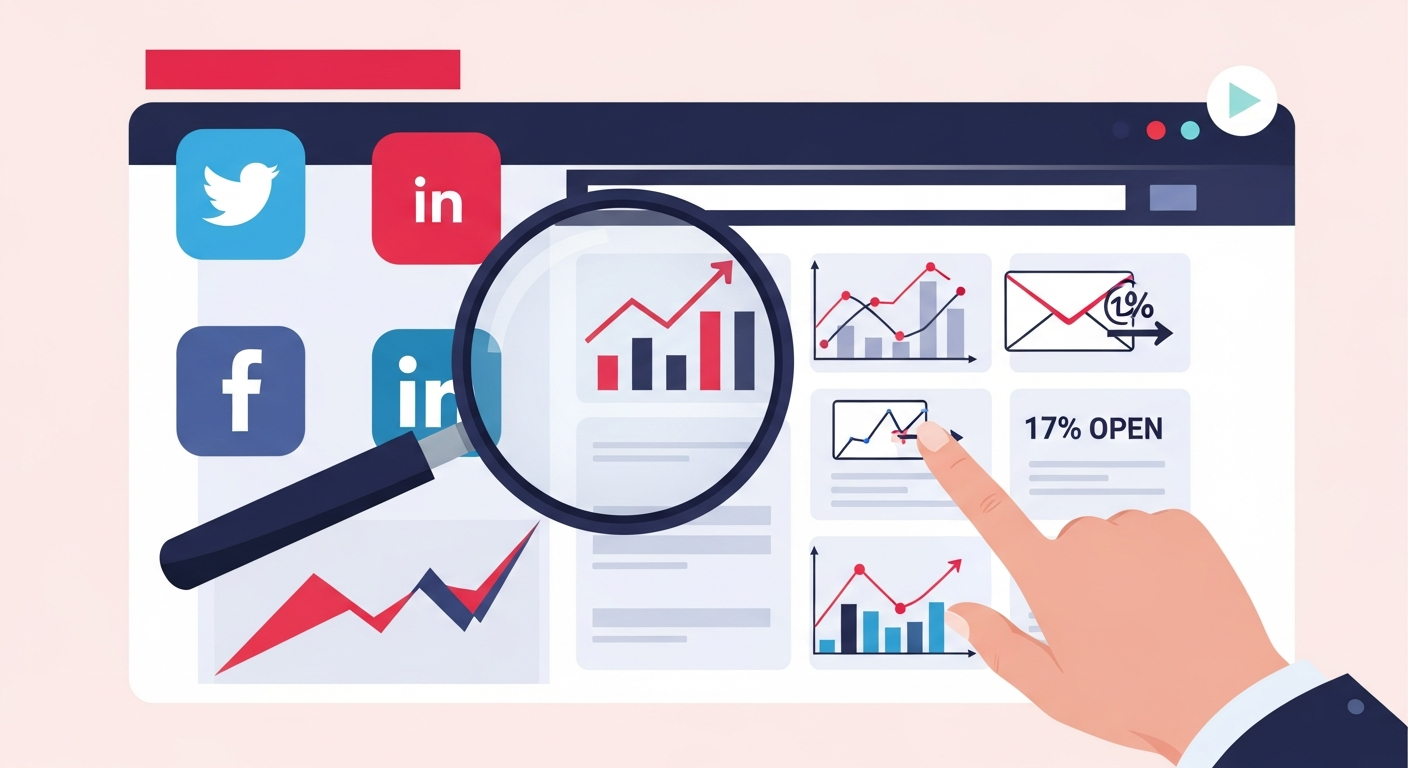
- Analyze Q3 Data: Dive into your website traffic, lead conversions, sales figures, and social media engagement metrics. Which blog posts got the most shares? Which email campaigns had the highest open rates? Understanding these patterns will inform your holiday marketing ideas SMB.
- Identify Successful Content and Campaigns: Pinpoint specific pieces of content or marketing campaigns that performed exceptionally well. Was it a particular type of social media post, a detailed guide, or a customer testimonial? These successes can often be repurposed or iterated upon for Q4, saving you time and resources.
- Learn from What Didn't Work: Equally important is to identify underperforming assets or strategies. Was your messaging unclear? Did you target the wrong audience? Acknowledging failures provides critical lessons for avoiding similar pitfalls in the upcoming quarter.
Defining Clear, Credible Q4 Goals
With an understanding of your past performance, it’s time to define what you want to achieve in Q4. Your goals should be realistic, measurable, and directly contribute to your overall small business growth tips. Avoid vague aspirations; instead, focus on concrete outcomes.
- Set SMART Goals: Ensure your goals are Specific, Measurable, Achievable, Relevant, and Time-bound. For instance, instead of "get more leads," aim for "increase qualified leads by 15% through content marketing by December 31st."
- Align with Business Objectives: Your Q4 marketing goals should directly support your broader business objectives for the year. Whether it's increasing market share, improving brand awareness, or boosting customer loyalty, make sure your marketing efforts are moving the needle in the right direction.
- Focus on Realistic Growth Targets: Especially for SMBs, it’s crucial to set achievable targets. Don't chase vanity metrics that don't translate into tangible business value. Prioritize goals that enhance your credibility, customer relationships, and bottom line.
Understanding Your Audience & Market Position
The Q4 market can shift rapidly with seasonal trends and increased competition. A deep understanding of your audience's evolving needs and your distinct market position is paramount for an effective Q4 marketing strategy for small business.
- Revisit Your Ideal Customer Profile (ICP): Are your customers' needs, priorities, or buying behaviors changing as the year-end approaches? For example, B2B clients might be focused on year-end budgets, while B2C consumers are looking for holiday solutions.
- Assess Your Unique Value Proposition (UVP): In a crowded Q4 market, your unique selling points must shine through. What makes your offer distinct from competitors? How do you solve a specific problem better or differently? Refining your small business positioning strategy is vital for standing out.
- Determine Key Messages for Q4: Craft messages that resonate with your target audience during this specific period. Whether it’s about end-of-year savings, thoughtful gifts, or preparing for a strong start to the new year, your communication should be timely and relevant.
Maximize Your Reach: Repurposing Content & Building Credibility
For small businesses and solo consultants, time and resources are precious. This is where smart content repurposing and a focus on genuine credibility become your superpowers. Instead of constantly creating new material, learn to extract maximum value from what you already have, turning your authentic insights into powerful marketing assets.
Unlocking the Power of Existing Content Assets
You likely have a treasure trove of content that can be given new life. Repurposing is a cornerstone of an efficient SMB marketing checklist, allowing you to reach new audiences and reinforce your message across various platforms without starting from scratch.
- Transform Long-Form Content: Take that in-depth blog post or whitepaper and break it down. Extract key stats for social media graphics, pull out compelling quotes for LinkedIn updates, or turn sections into short video scripts. This amplifies your reach and caters to different content consumption preferences.
- Update Evergreen Content: Review your timeless content pieces. Can you add a Q4-specific angle, update statistics, or include new case studies? A fresh perspective can make old content feel new and relevant for your Q4 marketing strategy for small business.
- Leverage Customer Success Stories: Your customers' experiences are powerful. Turn testimonials into short social media posts, expand a success story into a blog post, or create a simple infographic highlighting their results.
Crafting Credible Messaging Through Interview-Led Storytelling
Authenticity is the bedrock of credibility. In an era of AI-generated content, genuine human insights and stories stand out. Interview-led storytelling is a powerful way for founders and experts to share their unique perspectives, building trust and engagement that no generic marketing copy can achieve.
- Use Interview-Based Insights: Your expertise and experiences are invaluable. Use a tool like ToniPR to record your thoughts and answers to PR-style questions. These insights can then be transformed into authentic, founder-driven quotes for press releases, compelling LinkedIn posts, or even full articles that reflect your true voice.
- Develop Compelling Origin Stories: People connect with people. Share your business's origin story, the challenges you’ve overcome, and the passion that drives you. "Behind-the-scenes" content humanizes your brand and fosters a deeper connection with your audience.
- Showcase Your 'Why': Beyond what you do, communicate why you do it. This purpose-driven narrative builds trust and resonates with customers who share similar values.
Showcasing Expertise: Thought Leadership & Testimonials
Establishing yourself as a thought leader and letting your happy customers speak for you are two of the most effective ways to build credibility and attract new business. This is essential for any successful small business growth tips strategy.
- Position Yourself as an Industry Expert: Consistently share practical advice, unique perspectives, and informed opinions on industry trends. This isn't about selling; it's about providing value and demonstrating your deep understanding of your field.
- Actively Collect and Highlight Customer Reviews: Make it easy for satisfied customers to leave reviews on relevant platforms (Google My Business, Yelp, industry-specific sites). Regularly share these positive reviews across your social media and website.
- Develop Case Studies and Endorsements: For more in-depth credibility, create case studies that detail how your product or service helped a client achieve specific results. Seek out opportunities for industry leaders or respected figures to endorse your work.
High-Impact, Low-Cost Tactics for Q4 Visibility
Effective marketing in Q4 doesn't require a massive budget. Many of the most impactful strategies rely on consistency, genuine engagement, and strategic thinking rather than hefty ad spends. This section focuses on SMB marketing strategies that don't break the bank but deliver real results.
Mastering LinkedIn for Founders & Consultants
For solo consultants, small business owners, and B2B-focused founders, LinkedIn is an unparalleled platform for professional visibility and networking. It's a key component of any SMB marketing checklist focused on credible growth.
- Optimize Your LinkedIn Profile: Ensure your profile is complete, professional, and highlights your expertise, unique value proposition, and achievements. Use relevant keywords to improve discoverability.
- Share Consistent, Valuable Content: Don't just post company updates. Share insights, comment on industry trends, offer practical advice, and occasionally share personal experiences that relate to your professional journey. Consistency builds presence.
- Engage with Relevant Posts and Groups: Don't be a passive observer. Actively comment on articles, engage with posts from industry leaders, and participate in relevant LinkedIn groups. This expands your network, positions you as knowledgeable, and drives traffic back to your profile.
Ethical PR Habits for Sustainable Growth
PR isn't just for big corporations; it's about building relationships and telling your story authentically. Ethical PR practices are crucial for long-term credibility and are a core part of a responsible small business PR checklist.
- Build Relationships, Not Just Pitches: Focus on connecting with journalists, bloggers, and industry influencers long before you need something from them. Share their content, offer genuine insights, and become a reliable resource.
- Understand Earned Media vs. Paid Advertising: Know the difference. The truth about 'earned media' vs. paid ads for SMBs is that earned media (organic mentions, features) builds far more credibility and trust than paid advertising, even if it requires more patience.
- Prioritize Authentic Storytelling Over Hype: Resist the urge to exaggerate or make unrealistic claims. Your genuine story, backed by credible data and customer testimonials, will always outperform hype in building lasting trust and positive brand perception.
Community Engagement & Strategic Partnerships
Connecting with your local and industry communities, and exploring strategic partnerships, can unlock significant visibility and growth opportunities with minimal financial outlay. These are excellent holiday marketing ideas SMB can leverage.
- Participate in Local Events and Online Forums: Be present where your audience gathers. Attend local business meetups, speak at industry webinars, or actively contribute to online forums and social media groups relevant to your niche.
- Explore Collaborations with Complementary Businesses: Partner with businesses that serve a similar audience but offer non-competing products or services. This could involve joint promotions, co-hosting webinars, or creating shared content, expanding your reach to new audiences.
- Offer Valuable Insights or Free Resources: Demonstrate your expertise and generosity by offering free workshops, webinars, or downloadable resources. This builds goodwill, establishes you as an authority, and can generate leads without direct sales pressure.
Preparing for Tomorrow: End-of-Year Review & Future Planning
As Q4 draws to a close, it's not just about finishing strong; it's about leveraging your Q4 efforts to set the stage for an even more successful new year. A thorough end-of-year review is a critical component of any forward-thinking Q4 marketing strategy for small business.
Conducting a Comprehensive Q4 Review
Take the time to step back and objectively assess what happened during the past three months. This review is essential for refining your approach and optimizing your end of year marketing plan for the future.
- Analyze Overall Q4 Performance: Compare your actual results against the SMART goals you set at the beginning of the quarter. Look at key performance indicators (KPIs) such as website traffic, lead generation, conversion rates, sales, customer acquisition cost, and customer lifetime value.
- Identify Key Learnings, Successes, and Areas for Improvement: What strategies yielded the best ROI? What campaigns fell short and why? Document these insights. Understanding your successes allows you to double down on effective tactics, while identifying weaknesses helps you avoid repeating mistakes.
- Gather Customer Feedback and Market Insights: Beyond quantitative data, seek qualitative feedback. Conduct surveys, review customer service interactions, and listen to social media conversations. What are your customers saying? What new trends emerged in the market during Q4?
Setting the Stage for Q1 and Beyond
A successful Q4 review seamlessly transitions into proactive planning for the upcoming year. This forward-looking approach ensures continuous momentum and growth.
- Begin Outlining Your Marketing Calendar: Based on your Q4 learnings, start sketching out your marketing calendar for Q1, and even for the entire next year. Identify key holidays, industry events, product launches, and content themes.
- Allocate Resources Effectively: Review your budget and team capacity. Where should you invest more, and where can you optimize? Consider new tools or partnerships that could enhance your marketing efforts without overstretching resources.
- Prioritize Key Initiatives: Based on your insights, identify the top 2-3 marketing initiatives that will have the biggest impact in Q1. Focus your energy and resources on these to ensure a strong start to the new year.
Refining Your Unique Value Proposition for 2024
The end of the year is an ideal time to reflect on your core offering and ensure it remains compelling and relevant. This is a critical step in maintaining a strong small business growth tips strategy.
- Re-evaluate Your Core Offering: Does your product or service still effectively solve specific customer problems? Are there new pain points that have emerged that you could address?
- Ensure Your Messaging Clearly Communicates Value: Review your website copy, marketing materials, and elevator pitch. Is your unique value proposition clear, concise, and compelling? Does it immediately tell potential customers why they should choose you? Refining your small business positioning strategy is an ongoing process that pays dividends.
- Stay Agile and Adaptable: The market is constantly evolving. Commit to regularly revisiting your UVP and adapting your messaging to stay relevant and competitive in the new year.
By diligently working through this SMB marketing checklist, you're not just preparing for a successful Q4; you're building a foundation for sustainable growth and credible visibility far into the future. Remember, authentic storytelling and consistent, valuable communication are your most powerful PR assets.
Frequently Asked Questions
How can SMBs market effectively with a limited budget in Q4?
SMBs can market effectively with a limited budget in Q4 by focusing on high-impact, low-cost strategies. This includes repurposing existing content into multiple formats (blog posts to social media snippets), optimizing their presence on free platforms like LinkedIn, engaging actively in online communities and industry forums, and pursuing strategic partnerships. Emphasizing authentic, interview-led storytelling over paid ads also builds credibility without significant expenditure. Tools like ToniPR can help transform your expertise into press-ready content efficiently.
What are the most important marketing channels for small businesses during the holidays?
During the holidays, the most important marketing channels for small businesses often include:
- Email Marketing: For direct communication, special offers, and nurturing existing relationships.
- LinkedIn: Essential for B2B founders and consultants to share thought leadership and network.
- Social Media (relevant to your audience): For engaging content, showcasing products, and running targeted (but budget-conscious) campaigns.
- Local SEO/Google My Business: Crucial for local businesses to capture nearby customers.
- Community Engagement: Participating in local events or online groups to build goodwill and word-of-mouth.
How can I measure the success of my Q4 marketing efforts?
To measure the success of your Q4 marketing efforts, refer back to the SMART goals you set at the beginning of the quarter. Key metrics to track include:
- Website Traffic: Unique visitors, page views, time on site.
- Lead Generation: Number of new leads, lead quality.
- Conversion Rates: Website conversions (e.g., downloads, sign-ups), sales conversions.
- Sales Revenue: Direct sales attributed to Q4 campaigns.
- Social Media Engagement: Likes, shares, comments, reach.
- Customer Feedback: Reviews, testimonials, direct feedback.
Is it too late to start a Q4 marketing strategy if I haven't planned yet?
No, it's definitely not too late to start a Q4 marketing strategy, even if you haven't planned extensively. The most important thing is to start now. Focus on quick wins and leveraging existing assets.
- Prioritize: Identify 1-2 high-impact, low-effort tactics from this SMB marketing checklist that you can implement immediately (e.g., repurposing existing blog posts for social media, optimizing your LinkedIn profile).
- Leverage Existing Content: Don't try to create everything from scratch. Update and re-share your best-performing content.
- Focus on Authenticity: Use your unique insights and experiences to create credible, engaging content. Tools like ToniPR can help you quickly turn your expertise into ready-to-use content formats.
- Engage: Be active on your most important channels, responding to comments and participating in discussions.