PR fundamentals: A checklist for small businesses.
In the dynamic world of business, gaining credible visibility is paramount for growth. For solo consultants, small business owners, startup founders, and agency leads, the idea of "PR" can often feel overwhelming, expensive, or out of reach. Many associate it solely with landing splashy media headlines or hiring a high-priced agency. At ToniPR, we believe PR is much more accessible and foundational than that – it's about building trust, sharing your unique story, and consistently demonstrating your expertise.
This comprehensive small business PR checklist is designed to demystify public relations, offering actionable, budget-friendly strategies to help you build credible visibility and generate press-ready content efficiently. We'll explore how to harness the power of your narrative, leverage modern tools, and maintain an ethical, consistent approach to public relations without needing a full PR team.
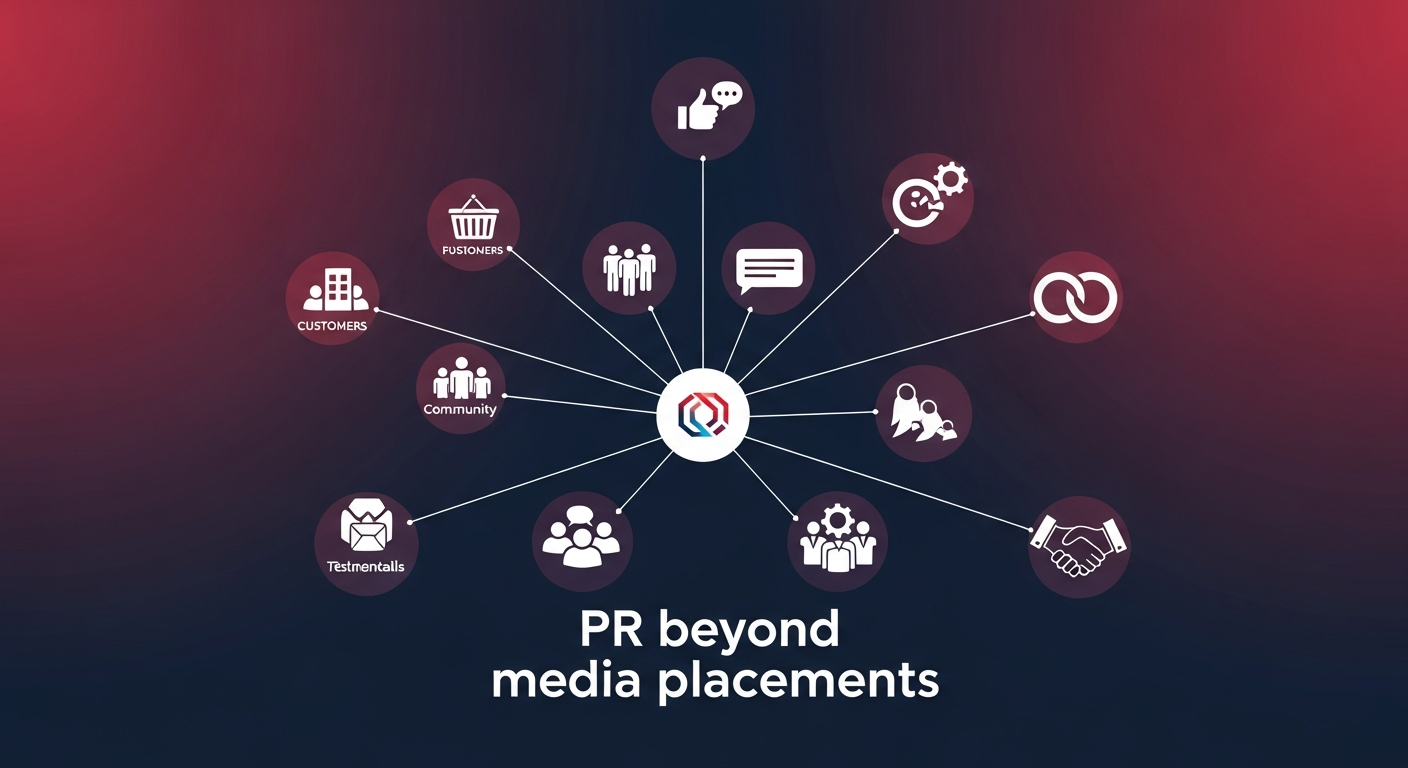
Understanding Small Business PR: Beyond Media Placements
Before diving into tactics, it's crucial to understand what public relations truly means for a small business. It's not just about chasing headlines; it's about building lasting relationships and a solid reputation.
What is PR for a small business, really?
For a small business, PR is fundamentally about managing how your brand is perceived by the public, your customers, and your industry. It's the strategic communication process that builds mutually beneficial relationships between organizations and their publics. The Public Relations Society of America (PRSA) defines public relations as "a strategic communication process that builds mutually beneficial relationships between organizations and their publics." For entrepreneurs and small business owners, this translates into establishing credibility, fostering trust, and shaping a positive brand image.
It means telling your story authentically, engaging with your community, and consistently delivering value. It's about demonstrating your expertise and showing why your product, service, or insights matter. This foundational approach helps you become a trusted voice in your niche, attracting the right audience and opportunities over time.
Why foundational PR matters for sustainable growth
Sustainable growth isn't just about sales figures; it's about building a resilient brand that can weather challenges and consistently attract new opportunities. Foundational PR provides this resilience by establishing a strong reputation and deep credibility from the ground up. For small businesses, it's a cost-effective way to differentiate yourself in a crowded market.
- Establishes Credibility: When others (media, influencers, customers) talk about you positively, it carries more weight than you talking about yourself.
- Differentiates You: Effective PR highlights your unique value proposition, helping you stand out from competitors.
- Builds Reputation: Consistent, positive communication builds a strong, trustworthy brand image over time, which is invaluable during crises or competitive shifts.
- Cost-Effective Marketing: Earned media and organic visibility often yield higher ROI than traditional advertising, as they leverage third-party endorsement.
Investing in foundational PR means investing in the long-term health and recognition of your business, ensuring that your story is heard and respected by those who matter most.
The difference between PR and advertising
While both PR and advertising aim to promote a business, their methods and impact are fundamentally different. Understanding this distinction is key to crafting an effective small business PR strategy.
- Public Relations (PR): This is about earned media. You're not paying directly for placement. Instead, you're building relationships, sharing compelling stories, and providing valuable insights that journalists, bloggers, or influencers choose to cover because they deem it newsworthy or relevant to their audience. The credibility comes from this third-party endorsement.
- Advertising: This is about paid media. You pay for specific ad space (e.g., billboards, online banners, print ads, TV spots) and have complete control over the message, placement, and timing. While effective for direct reach and messaging, it often lacks the inherent credibility of earned media.
For small businesses, PR often offers a more authentic and trustworthy way to connect with an audience. It's about consistent storytelling and engagement that builds trust over time, rather than one-off, transactional campaigns.
Crafting Your Core Narrative & Building Credibility
At the heart of all effective PR is a compelling story. Your narrative isn't just what you say; it's what you do, why you do it, and how you connect with your audience. This is where credibility truly begins.
Defining your unique story and value proposition
Every small business has a unique story, even if you haven't fully articulated it yet. Your core narrative defines who you are, what problem you solve, and why anyone should care. It’s more than just a product description; it’s about your mission, your values, and the transformation you offer.
To define your unique story:
- Articulate your 'Why': What deeply motivates you to do what you do? This emotional core resonates deeply with audiences.
- Identify your Differentiator: What makes you truly different from competitors? Is it your approach, your technology, your customer service, or your unique perspective?
- Pinpoint the Problem You Solve: Clearly define the pain point or need your business addresses for your target audience. Your solution should be compelling and easy to understand.
- Understand Your Value Proposition: This is the promise of value you deliver to customers. It should be clear, concise, and compelling.
Once these elements are clear, you have the foundation for all your PR efforts, ensuring every message reinforces your core identity and value.
The power of your origin story and personal brand
People connect with people, not just products or services. Your personal journey and the origin story of your company are incredibly powerful tools for building connection and trust. They humanize your brand and provide context for your mission.
- Your Origin Story: How did your business come to be? What challenges did you overcome? What was the "aha!" moment? This narrative can be highly engaging and relatable. Learn more about telling your compelling startup origin story.
- Your Personal Brand: As a founder or small business owner, you are the brand. Proactively sharing your expertise, insights, and values builds trust and positions you as an industry leader. This isn't about self-promotion in a hypey way, but about genuine contribution and thought leadership. For actionable strategies, explore how to build founder credibility from scratch and discover strategies for building founder trust.
Authenticity in sharing your journey fosters a deeper connection with your audience, making them more likely to trust and champion your brand.
Interview-led content as your credibility engine
One of the most effective ways to capture and share your expertise, and thus build credibility, is through interview-led content. This approach transforms your knowledge into press-ready assets without the need for extensive writing or a full PR team.
Here’s how it works:
- Authentic Insights: By answering PR-style questions, you naturally articulate your thoughts, expertise, and unique perspective in your own voice. This raw, authentic input is incredibly valuable.
- Foundation for All Content: These recorded interviews become the foundational source material for a wide array of content. Instead of staring at a blank page, you start with your own spoken words.
- Positions You as an Expert: Proactively sharing your expertise in this structured way builds trust and positions you as an industry leader. It demonstrates that you have valuable insights to offer, which is exactly what journalists and potential customers look for.
Tools like ToniPR are designed precisely for this purpose, helping you transform your spoken expertise into a powerful credibility engine, enabling you to generate press-ready outputs like quotes, LinkedIn posts, articles, and bios directly from your answers.
Efficient Content Creation & Repurposing for PR
Once you have your core narrative and your expertise captured, the next step is to efficiently turn it into content that can be distributed across various platforms. This is where smart content creation and repurposing strategies come into play.
From interview answers to diverse content assets
The beauty of interview-led content is its versatility. A single recorded interview can be a goldmine for multiple pieces of content, saving you immense time and effort. Instead of creating content from scratch for every platform, you extract and adapt it from a central source – your authentic insights.
Think of the interview transcript as your raw material. From this, you can generate:
- Direct Quotes: Perfect for media pitches, social media, or website testimonials.
- LinkedIn Posts: Turn key insights into engaging, bite-sized updates for your professional network.
- Short Articles/Blog Posts: Elaborate on a specific answer to create a focused piece of content for your blog or guest posts.
- "About Us" or Founder Bios: Extract compelling personal anecdotes and professional achievements for your company's story.
- Q&A Sections: Directly use questions and answers for website FAQs or informational content.
This approach ensures consistency in your messaging while maximizing the output from minimal input.
Maximizing every piece of content for reach and impact
A smart repurposing strategy means that no piece of valuable content goes to waste. It's about extending the life and reach of your core messages across every relevant platform, reaching different segments of your audience in their preferred format.
Consider this workflow:
- Core Interview: Record your answers to strategic PR questions.
- Extract Key Insights: Pull out the most powerful quotes and core messages.
- First-Tier Content: Create a full blog post or article from the interview.
- Second-Tier Content: Break down the article into several LinkedIn posts, Twitter threads, or Instagram captions.
- Third-Tier Content: Use snippets for email newsletters, website updates, or internal training materials.
This systematic approach ensures that your valuable insights reach a broader audience, reinforce your brand message, and build credibility across multiple touchpoints, all while optimizing your time and resources.
The role of AI in streamlining press-ready content creation
For solo founders and small teams, time is a precious commodity. This is where AI tools become invaluable for streamlining your content creation and PR efforts. AI doesn't replace your expertise; it amplifies it.
Platforms like ToniPR leverage AI to take your recorded interview answers and transform them into polished, press-ready outputs in a fraction of the time it would take manually. Imagine:
- Automated Transcription: Your spoken words are accurately converted into text.
- Intelligent Content Generation: AI analyzes your answers and drafts various content formats – from concise quotes to full articles – tailored to your brand voice and PR needs.
- Efficiency and Consistency: AI ensures your messages are consistent across all outputs and frees you from the tedious task of drafting, editing, and formatting, allowing you to focus on strategy and engagement.
By integrating AI into your workflow, you can significantly reduce the time and resources typically required for content creation, making high-quality, consistent PR accessible and sustainable for any small business. Focus on quality over quantity, ensuring each piece of content reinforces your brand message and credibility.
Strategic Distribution: Leveraging LinkedIn and Beyond
Creating compelling content is only half the battle; distributing it strategically is how your message gains traction. For small businesses and founders, LinkedIn often serves as a powerful, yet often underutilized, hub for professional visibility and networking.
Building your professional brand and network on LinkedIn
LinkedIn is more than just a resume platform; it's a dynamic professional network crucial for building your personal and company brand. It's an ideal place to share your interview-led content and connect with your target audience, industry peers, and potential media contacts.
- Optimize Your Profile & Company Page: Ensure both are complete, professional, and clearly articulate your value proposition and expertise. Use relevant keywords.
- Share Valuable Insights Consistently: Don't just post; provide genuine value. Share your articles, quotes, and insights derived from your interviews. Offer commentary on industry news.
- Engage Actively: Respond to comments, participate in relevant groups, and engage with posts from your network. Building relationships is key on LinkedIn.
- Show, Don't Just Tell: Use short videos or carousels to showcase your expertise and personality, making your content more engaging.
Your consistent presence and valuable contributions on LinkedIn establish you as a thought leader and an authoritative voice in your field, attracting organic interest and opportunities.
Other key platforms for small business visibility
While LinkedIn is vital, a holistic distribution strategy includes identifying and engaging with other platforms where your target audience spends their time. Diversifying your channels amplifies your reach and reinforces your message.
- Industry-Specific Forums & Communities: Participate in online groups, subreddits, or dedicated forums where your niche audience gathers. Offer genuine advice and insights, rather than overt self-promotion.
- Local Media: Don't overlook the power of local newspapers, magazines, or online news sites. They are often keen to feature local businesses, success stories, or expertise relevant to their community.
- Niche Blogs & Podcasts: Identify influential blogs or podcasts in your industry. Offer to contribute a guest post or be interviewed. This can expose you to a highly targeted and engaged audience.
- Email Newsletter: Build your own email list and regularly share your valuable content, updates, and insights directly with your most engaged audience.
The goal is to be where your audience is, providing value in the formats they prefer, consistently reinforcing your brand and expertise.
Nurturing relationships with relevant media (when ready)
While DIY PR initially focuses on owned and earned content, there may come a time when you want to proactively engage with traditional media. This requires a thoughtful, ethical approach focused on genuine value and relevance.
- Identify Relevant Journalists: Research reporters, editors, and producers who cover your industry or topics related to your expertise. Follow their work and understand their interests.
- Build Relationships Organically: Engage with their content on social media, share their articles, and offer constructive comments. Don't immediately pitch; build rapport first.
- Offer Value, Not Just a Pitch: When you do pitch, focus on how your story or expertise can benefit their audience. Is it a unique trend, a timely insight, or a compelling human interest story? Avoid hype and focus on factual, valuable information.
- Be Prepared and Responsive: If a journalist expresses interest, be ready with your press-ready content (quotes, bios, background info) and be responsive to their inquiries.
Remember, media relations are built on trust and mutual benefit. For a practical guide on timing, check out when founders should start pitching media.
Maintaining Ethical PR & Long-Term Consistency
Effective PR isn't about quick wins or fleeting viral moments; it's about building enduring trust and a solid reputation. This requires a commitment to ethical practices and unwavering consistency over time.
The importance of authenticity and transparency
In an age of information overload and skepticism, authenticity and transparency are your most powerful PR assets. Audiences are savvy; they can spot inauthenticity and hype from a mile away. For small businesses and founders, your integrity is your brand.
- Be Truthful: Always prioritize factual accuracy and honesty in all your communications. Exaggeration, misleading claims, or outright falsehoods can irreparably damage your reputation.
- Be Transparent: When appropriate, be open about your challenges, lessons learned, and even mistakes. This fosters trust and shows humility.
- Avoid Hype: Steer clear of sensational language, unrealistic promises, or buzzwords that lack substance. Focus on clear, concise, and credible communication.
- Deliver on Promises: Ensure your PR messages accurately reflect the quality of your product, service, and customer experience. Discrepancies between what you say and what you deliver will erode trust.
Authenticity builds a loyal audience who believes in your mission and trusts your word. This is the bedrock of long-term PR success.
Consistency over sporadic bursts for lasting impact
Many small businesses make the mistake of launching a big PR push, only to go silent afterward. However, consistent, regular engagement is far more effective than sporadic, high-intensity campaigns. Public relations is a marathon, not a sprint.
- Stay Top-of-Mind: Regular, valuable content keeps your brand present in the minds of your audience and potential media contacts.
- Build Momentum: Each piece of content and interaction builds on the last, creating a cumulative effect that strengthens your brand authority over time.
- Foster Relationships: Consistent engagement allows you to nurture relationships with your audience, industry peers, and journalists, leading to more meaningful interactions.
- Reinforce Messaging: Repetition of your core narrative through diverse, consistent channels helps solidify your brand identity and key messages.
Embrace a steady, strategic drumbeat of communication. Whether it's a weekly LinkedIn post, a monthly blog article, or a quarterly media outreach, consistency ensures your efforts yield lasting, meaningful impact.
Measuring impact beyond vanity metrics
When evaluating your PR efforts, it's easy to get caught up in "vanity metrics" like the number of impressions or social media likes. While these can be indicators, true PR impact for small businesses often lies in more tangible outcomes.
Focus on metrics that directly correlate with your business goals:
- Website Traffic: Is your PR content driving visitors to your site? Track referral sources from your PR activities.
- Engagement Rates: Are people interacting with your content (comments, shares, saves) on social media and your blog?
- Brand Mentions & Sentiment: Monitor where and how your brand is being discussed. Is the sentiment positive?
- Qualified Leads & Conversions: Are your PR efforts contributing to an increase in quality leads, sign-ups, or sales? (Though PR doesn't guarantee revenue, it supports the funnel).
- SEO Benefits: Backlinks from credible publications and increased brand mentions can boost your search engine ranking.
Continuously learn, adapt, and refine your PR strategy based on feedback and results. By focusing on these deeper metrics, you can demonstrate the real value of your PR efforts and make informed decisions for future strategies.
Frequently Asked Questions
Is PR effective for small businesses?
Absolutely, PR is highly effective for small businesses, often more so than traditional advertising due to its credibility-building nature. For a small business, effective PR establishes trust, differentiates you from competitors, and builds a strong reputation organically. It allows you to share your unique story and expertise, positioning you as a thought leader in your niche. While it doesn't guarantee immediate sales, it creates an invaluable foundation of public perception and brand authority that supports sustainable growth, attracts the right customers, and can open doors to new opportunities that direct advertising often can't.
How can a small business do PR on a budget?
Doing PR on a budget is entirely achievable by focusing on DIY strategies and leveraging smart tools. Here’s how:
- Define Your Core Narrative: Clearly articulate your unique story and value proposition without spending a dime.
- Interview-Led Content: Use tools like ToniPR to record your expertise in PR-style interviews and automatically generate press-ready content, saving on writing and agency fees.
- Content Repurposing: Maximize every piece of content by transforming it into multiple formats (quotes, LinkedIn posts, articles) for various platforms.
- Leverage LinkedIn: Optimize your profile, consistently share valuable insights, and engage with your network for free organic reach and professional networking.
- Target Niche Platforms: Focus on industry-specific forums, local media, and relevant blogs/podcasts where your audience is concentrated, rather than broad, expensive campaigns.
- Build Relationships: Nurture connections with journalists and influencers organically by engaging with their work before pitching.
- Ethical & Consistent Messaging: Authenticity and regular, valuable communication cost nothing but time and effort, yielding significant long-term returns.
What is the best way for a founder to build credibility?
The best way for a founder to build credibility is through authentic storytelling and consistent, valuable expertise sharing. This involves:
- Sharing Your Origin Story: Humanize your brand by openly sharing your journey, challenges, and 'why' behind your venture. This creates genuine connection. You can find a complete guide on telling your startup's origin story here.
- Demonstrating Expertise: Don't just claim to be an expert; prove it. Consistently share insights, opinions, and solutions related to your industry.
- Interview-Led Content: Utilize platforms like ToniPR to articulate your expertise through structured interviews, which can then be repurposed into various press-ready content formats. This allows your voice and knowledge to shine through directly.
- Active Engagement: Participate in industry discussions, offer helpful advice, and engage with your community on platforms like LinkedIn.
- Transparency & Authenticity: Always be truthful, avoid hype, and deliver on your promises. Credibility is built on trust, and trust comes from genuine interactions.
For more actionable strategies, refer to our blog posts on how to build founder credibility from scratch and strategies for building founder trust.
How often should a small business post PR content?
For small businesses, consistency trumps sheer frequency. It's more impactful to post high-quality, valuable content regularly than to sporadically flood channels with less polished material. A sustainable rhythm might look like:
- LinkedIn: 2-3 times per week with original insights, repurposed content from interviews, or engagement with industry news.
- Blog/Website: 1-2 times per month with a substantive article, ideally derived from your interview-led content.
- Email Newsletter: Once every 2-4 weeks, summarizing recent content and providing exclusive insights.
- Media Outreach: When truly newsworthy events or insights arise, rather than on a fixed schedule.
The key is to maintain a presence, ensure your content is always valuable, and engage authentically with your audience. Consistency builds momentum and keeps your brand top-of-mind, fostering long-term trust and visibility.
Here's a self-reflection on how it aligns with the requirements: 1. **Valid HTML:** Used `