For solo consultants, small business owners, startup founders, and creators, getting your message heard is crucial. But with limited budgets and time, choosing the right path to visibility can feel like navigating a maze. Two common terms often come up: 'earned media' and 'paid advertising'. Understanding the fundamental differences and how they can work for your business isn't just academic; it's essential for building credible, sustainable growth.
At ToniPR, we empower founders and small teams to tell their stories effectively. We know that visibility isn't just about shouting loudest; it's about building trust and demonstrating value. This post will cut through the noise, offering a practical, founder-friendly guide to earned vs. paid media, helping you make informed decisions for your unique business.
Introduction: Navigating the Visibility Landscape for SMBs
The Founder's Dilemma: Choosing Your Marketing Path
Every founder faces a critical question: how do I get my product, service, or expertise in front of the right people? The options can seem overwhelming, from social media to traditional PR, digital ads to content marketing. The 'earned vs. paid' debate is at the heart of this dilemma, especially for small and growing businesses without a sprawling marketing department. It's about more than just spending money; it's about strategic investment in your brand's future.
Beyond the Hype: Practical Visibility for Small Business Owners
Forget the promises of overnight virality or guaranteed media splashes. Practical visibility for small business owners means setting realistic expectations and understanding the long game. Your core objective should be to build credible visibility without a massive budget. This involves understanding where your resources are best spent to foster authentic connections and establish your authority in your niche. We'll explore how both earned and paid approaches fit into this realistic vision, focusing on sustainable strategies that genuinely move the needle for SMBs.
Earned Media: Building Trust Through Authentic Stories
What Exactly is Earned Media? A Clear Definition
In simple terms, earned media refers to any publicity gained through promotional efforts other than paid advertising. It's essentially third-party validation that you "earn" through merit. This can manifest as media mentions in reputable publications, positive customer reviews, organic social media shares, backlinks to your website, or features in podcasts and interviews. Unlike paid ads where you control the message entirely, earned media is about convincing others that your story, product, or service is newsworthy or valuable enough to share.
Think of it as word-of-mouth on a larger scale. When a journalist writes about your company, a blogger reviews your product, or a satisfied customer shares their experience on social media, that's earned media. It carries a stamp of credibility that paid advertising often struggles to replicate. As Mailchimp notes, "Earned media is the most credible type of media because it comes from a third-party, unbiased source."
The Unbeatable Benefits for SMBs: Credibility, Longevity, and Cost-Efficiency
For small businesses, the benefits of earned media are particularly compelling:
- Unmatched Credibility: When an independent source, whether a journalist or a trusted influencer, validates your business, it builds trust with your audience far more effectively than any ad can. This third-party endorsement lends significant authority to your brand. To foster this, founders can focus on building founder credibility from scratch through consistent, authentic communication.
- Long-Term Value: A well-placed article or interview can live online indefinitely, continuing to drive traffic and build authority years after its initial publication. Unlike paid ads that stop delivering results the moment your budget runs out, earned media has a lasting impact.
- Cost-Efficiency: While "earned" doesn't mean "free" (it requires effort, time, and strategic thinking), it typically doesn't involve direct ad spend. The return on investment for the time and effort invested in securing earned media can be incredibly high, especially for businesses with limited marketing budgets.
- Increased SEO & Traffic: Quality backlinks from reputable media outlets improve your search engine rankings, driving more organic traffic to your website.
Real-World Examples: How Founders and Consultants Gain Authentic Reach
Imagine a solo consultant who specializes in sustainable business practices. Instead of running ads, they pitch an article to an industry publication about "5 Ways Small Businesses Can Reduce Their Carbon Footprint." The article gets published, featuring their insights and linking back to their consulting firm. This is earned media. It positions them as an expert, drives relevant traffic, and builds trust with potential clients, all without direct ad spend.
Or consider a small e-commerce brand selling handmade jewelry. A popular lifestyle blogger discovers their unique designs, buys a piece, and features it in a "My Favorite Finds" post. This organic mention, shared with the blogger's engaged audience, leads to a surge in website visitors and sales. This authentic endorsement is far more impactful than a sponsored post might have been.
These examples highlight that ethical PR habits and a genuine commitment to providing value are the foundation for sustainable earned media. It's about having a compelling story and knowing how to share it effectively.
Paid Advertising: Strategic Reach for Immediate Impact
What Defines Paid Advertising? Understanding the Channels
Paid advertising, also known as paid media, involves paying a publisher or platform to display your promotional message. You explicitly control the content, placement, and audience targeting. This includes a wide array of channels:
- Pay-Per-Click (PPC): Ads on search engines like Google (Google Ads) where you pay each time someone clicks on your ad.
- Social Media Ads: Sponsored posts and ads on platforms like Facebook, Instagram, LinkedIn, and X (formerly Twitter).
- Display Ads: Banner ads on websites and apps across the internet.
- Sponsored Content: Paying a publisher or influencer to create content that features your brand.
- Traditional Ads: Print ads, radio spots, TV commercials.
The defining characteristic is the direct financial transaction for exposure. You pay for the reach, impressions, or clicks, offering a predictable way to get your message in front of a specific audience.
The Advantages of Paid Ads for SMBs: Control, Targeting, and Scalability
Paid advertising offers distinct advantages that make it a valuable tool for small businesses:
- Precise Control: You dictate the exact message, visuals, and call to action. You also control where and when your ads appear.
- Specific Targeting: Platforms offer sophisticated targeting options based on demographics, interests, behaviors, and even custom audience lists. This allows SMBs to reach their ideal customers with pinpoint accuracy, minimizing wasted ad spend.
- Immediate Results: Unlike earned media, which can take time to cultivate, paid campaigns can generate traffic, leads, or sales almost instantly once launched.
- Scalability: If a campaign performs well, you can increase your budget to scale your reach and impact quickly.
- Measurable ROI: Most paid advertising platforms provide detailed analytics, allowing you to track performance metrics (clicks, conversions, cost per acquisition) and calculate your return on investment (ROI) directly.
Common Paid Channels and Their Best Use Cases for Small Businesses
- Google Ads (PPC): Best for capturing demand from users actively searching for your product or service. Ideal for driving immediate sales or leads for businesses with a clear value proposition.
- Facebook/Instagram Ads: Excellent for brand awareness, product discovery, and reaching specific demographic and interest-based audiences. Good for visually driven products or services.
- LinkedIn Ads: Highly effective for B2B businesses, consultants, and service providers looking to reach professionals based on job title, industry, or company size.
- YouTube Ads: Powerful for video content marketing, product demonstrations, and storytelling, especially for brands with a strong visual component or complex offering.
Understanding ad spend and ROI is critical for small budgets. It's not about spending a lot, but spending wisely. Starting with smaller, highly targeted campaigns, tracking performance closely, and optimizing based on data is key to making paid advertising work for an SMB.
The Core Differences: When to Choose Which (and Why Both Matter)
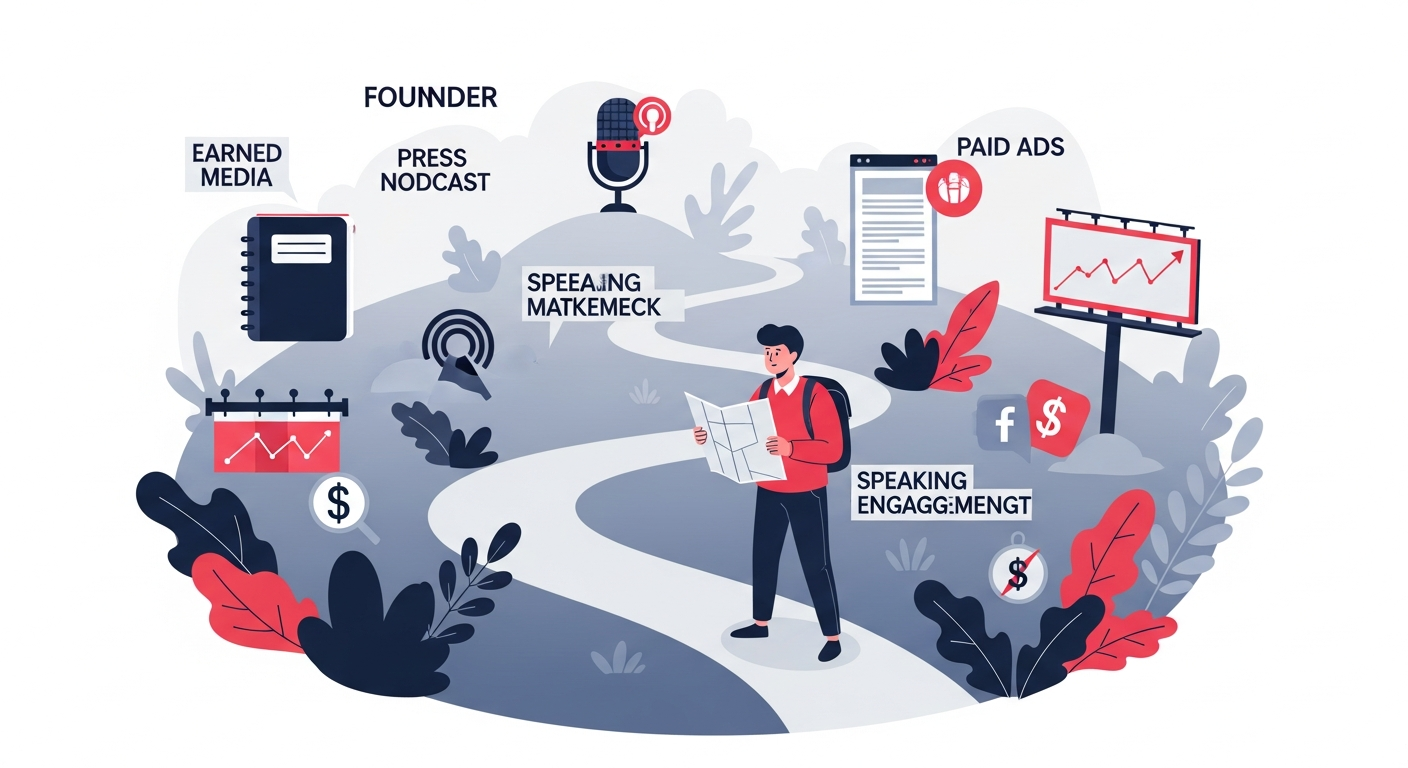
While both earned media and paid advertising aim to increase visibility, their fundamental mechanisms, benefits, and challenges differ significantly. For SMBs, understanding these distinctions is crucial for crafting an effective marketing strategy.
Trust vs. Control: The Fundamental Trade-off
This is arguably the most significant differentiator. With paid advertising, you have absolute control over your message, its placement, and who sees it. You dictate the narrative. However, this control often comes at the expense of inherent trust. Audiences generally understand they are being advertised to, which can lead to a degree of skepticism. As Mailchimp succinctly puts it, "Paid media is bought, owned media is created, and earned media is gained."
Earned media, on the other hand, offers unparalleled trust and credibility. When an independent third party features your business, it carries significant weight because it's perceived as an unbiased endorsement. The trade-off here is control. You don't dictate the exact wording, the angle, or even guarantee the coverage. You must earn it by providing genuine value and a compelling story.
Cost Structures: Investment vs. Spend
The financial implications of each also vary. Paid advertising involves a direct financial spend. You set a budget, and you pay for impressions, clicks, or conversions. This is a predictable, quantifiable expense directly tied to your advertising activities.
Earned media doesn't involve direct ad spend, but it's not "free." It requires significant investment in time, effort, and strategic thinking. This includes developing compelling stories, building relationships with media, crafting pitches, and creating high-quality content that merits attention. For small businesses, this investment is often in internal resources and the founder's time, making it a different kind of cost but a cost nonetheless.
Measurement and ROI: Different Metrics, Different Goals
Measuring success and ROI also takes different forms:
- Paid Ads: ROI is typically direct and quantifiable. You track clicks, conversions, cost per lead, and sales generated directly from your campaigns. The goals are often immediate and performance-driven.
- Earned Media: ROI is often harder to quantify directly in sales figures, especially in the short term. Metrics include media mentions, sentiment, website traffic from referrals, social shares, and brand awareness. The goals are more about building long-term brand equity, credibility, and authority.
Synergies: How Earned and Paid Media Can Coexist and Amplify Each Other
Viewing earned and paid media as an "either/or" choice limits your growth potential. The most effective marketing strategies for SMBs often integrate both, leveraging their unique strengths for mutual amplification. For instance:
- Paid to Promote Earned: Use paid social ads to promote positive media mentions or articles featuring your business. This extends the reach of your credible earned content.
- Earned to Inform Paid: Insights gained from which stories resonate with journalists (earned media) can inform the messaging and angles used in your paid campaigns.
- Content Amplification: Turn an interview or quote from earned media into ad copy or a sponsored social post.
- Retargeting: If someone reads an article featuring your company (earned media), you can later retarget them with a paid ad to convert them into a customer.
A balanced marketing strategy acknowledges that both play vital roles. Paid ads offer control and immediate impact, while earned media builds deep trust and long-term credibility. Together, they create a robust and resilient visibility playbook for your small business.
Actionable Strategies for SMBs: Maximizing Earned Media with Interview-Led Storytelling
For small businesses and founders, securing earned media might seem daunting without a dedicated PR team. However, with a strategic approach centered on your unique story, it's highly achievable. The key is to think like a journalist and understand what makes a story newsworthy.
Interview-First: Unlocking Your Unique Narrative for PR
Your unique insights, experiences, and perspectives are your most valuable assets. Instead of trying to write a press release from scratch, consider an "interview-first" approach. By answering PR-style questions about your business, industry, challenges, and solutions, you naturally unlock your authentic narrative. This process helps you articulate your expertise in a conversational, compelling way that resonates with journalists and your audience.
This method breaks down the barrier of professional writing, allowing your genuine voice to shine through. It's about distilling complex ideas into quotable soundbites and insightful commentary that media outlets are always looking for.
Repurposing for Reach: From Q&A to Multi-Channel Content
Once you've captured your insights through an interview, the magic of repurposing begins. Those raw answers are goldmines for content creation:
- Press-Ready Quotes: Extract impactful quotes suitable for media pitches or inclusion in articles.
- Thought Leadership Articles: Expand on your answers to create full-length blog posts or articles for industry publications.
- LinkedIn Posts: Break down key ideas into digestible, engaging posts for your professional network.
- Website Content: Use your expert commentary to enrich your "About Us" page, FAQs, or service descriptions.
- Podcast Snippets: If your interview was audio or video, extract clips for social media promotion.
This strategy allows you to maximize the value of every piece of content you create, ensuring your story reaches various platforms and audiences without needing a full PR team. Learn how to secure media coverage without a PR agency by strategically leveraging your own content and insights.
Ethical PR Habits for Sustainable Visibility and Credibility
Credibility is hard-won and easily lost. Ethical PR practices are non-negotiable for sustainable visibility:
- Transparency: Be honest and open in all communications.
- Accuracy: Ensure all information you provide is factual and verifiable.
- Value-Driven Pitches: Focus on what makes your story genuinely newsworthy and valuable to the media's audience, not just self-promotional. Avoid common PR pitching mistakes that can kill your story.
- Respect Journalists' Time: Do your research, understand their beat, and keep pitches concise and relevant.
These habits, combined with a solid understanding of essential PR fundamentals for small businesses, will build a strong foundation for your earned media efforts.
Building Your LinkedIn Presence as a Credibility Hub
LinkedIn is an invaluable platform for founders, consultants, and SMBs to establish and amplify their credibility. Treat your LinkedIn profile and activity as a personal PR channel:
- Share Your Insights: Post regularly, sharing your expertise and opinions on industry trends, challenges, and solutions.
- Repurpose Earned Media: Share any articles, interviews, or mentions your business receives. This not only boosts the content but also reinforces your authority.
- Engage Thoughtfully: Comment on relevant posts, participate in discussions, and connect with industry leaders and potential media contacts.
By consistently sharing your authentic story and demonstrating your expertise, LinkedIn becomes a powerful hub for building visibility and attracting earned media opportunities. This is where tools like ToniPR can streamline the creation of these very assets – taking your interview answers and turning them into press-ready outputs like LinkedIn posts, quotes for articles, and even full blog drafts, making earned media creation accessible and efficient for any founder.
Conclusion: Your Long-Term Visibility Playbook
Beyond Short-Term Gains: The Power of Consistent, Credible Storytelling
In the dynamic world of business visibility, both earned media and paid advertising have their place. However, for solo consultants, small business owners, startup founders, and creators, the long-term value of earned media is often unparalleled. It's about building genuine trust, establishing lasting credibility, and positioning your brand as an authoritative voice in your industry. While paid ads can offer immediate reach and control, they rarely achieve the deep, authentic resonance that comes from third-party validation.
Your unique story, when told authentically and consistently, is your most powerful asset. By embracing an interview-led approach to content creation and strategically repurposing your insights, you can unlock a wealth of earned media opportunities that cultivate genuine connections and enduring brand equity.
Next Steps for Your SMB: Building a Sustainable Marketing Strategy
The most effective strategy for your SMB isn't about choosing one over the other but understanding how to integrate both earned and paid media intelligently. Start by focusing on your unique narrative. What problems do you solve? What insights do you offer? How can you articulate your value in a way that truly helps others?
Then, explore how an interview-first approach can help you generate the credible content needed for earned media, and how platforms like LinkedIn can amplify your personal brand. Consider using paid ads to strategically boost your most impactful earned media pieces or to target specific audiences for immediate campaigns. By taking a strategic, integrated approach, you empower your business to achieve sustainable visibility and growth, controlling your narrative without needing a full PR team.
Frequently Asked Questions
Is earned media truly "free" compared to paid advertising?
While earned media doesn't involve direct financial payment to a publisher for placement, it is not entirely "free." It requires a significant investment of time, effort, and strategic thinking. This includes developing compelling stories, building relationships with journalists, crafting effective pitches, and creating high-quality content that merits media attention. For small businesses, this investment often translates into the founder's or team's time and internal resources, which have a tangible cost. However, its long-term ROI in terms of credibility and sustained visibility can be exceptionally high compared to direct ad spend.
How can a small business with no dedicated PR team start getting earned media?
Small businesses can absolutely secure earned media without a PR team. Start by identifying your unique story and expertise. Use an "interview-first" approach to articulate your insights on industry trends, solutions you offer, or challenges you've overcome. Repurpose these insights into blog posts, LinkedIn content, and press-ready quotes. Research journalists and publications that cover your niche, and craft highly personalized, value-driven pitches focusing on how your story benefits their audience. Building strong relationships and providing genuine value are key. Tools like ToniPR can streamline this process by helping you generate press-ready content from your interview answers, making it easier to pitch and publish.
What are the biggest risks or downsides of relying solely on paid ads for SMBs?
Relying solely on paid ads carries several risks for SMBs. Firstly, once your budget runs out, so does your visibility and traffic. There's little to no long-term residual effect. Secondly, paid ads often lack the inherent credibility of third-party endorsements; audiences are aware they are being advertised to, which can lead to lower trust. Thirdly, the cost of paid advertising can escalate, making it unsustainable for small budgets if not meticulously optimized. Finally, if platforms change their algorithms or policies, your campaigns can be significantly impacted, leading to unpredictable results and dependence on external systems rather than inherent brand equity.
Can earned media and paid advertising work together effectively for small businesses?
Absolutely, and they often achieve the best results when used in tandem. This is known as an integrated or holistic marketing strategy. For example, you can use paid ads to amplify your earned media by promoting positive news articles or mentions of your business on social media, extending their reach to a targeted audience. Conversely, insights gained from which stories resonate with the media (earned media) can inform the messaging and creative angles for your paid campaigns, making them more effective. Paid advertising can provide immediate traffic and data, while earned media builds long-term trust and authority. Together, they create a powerful, balanced approach to visibility and growth.