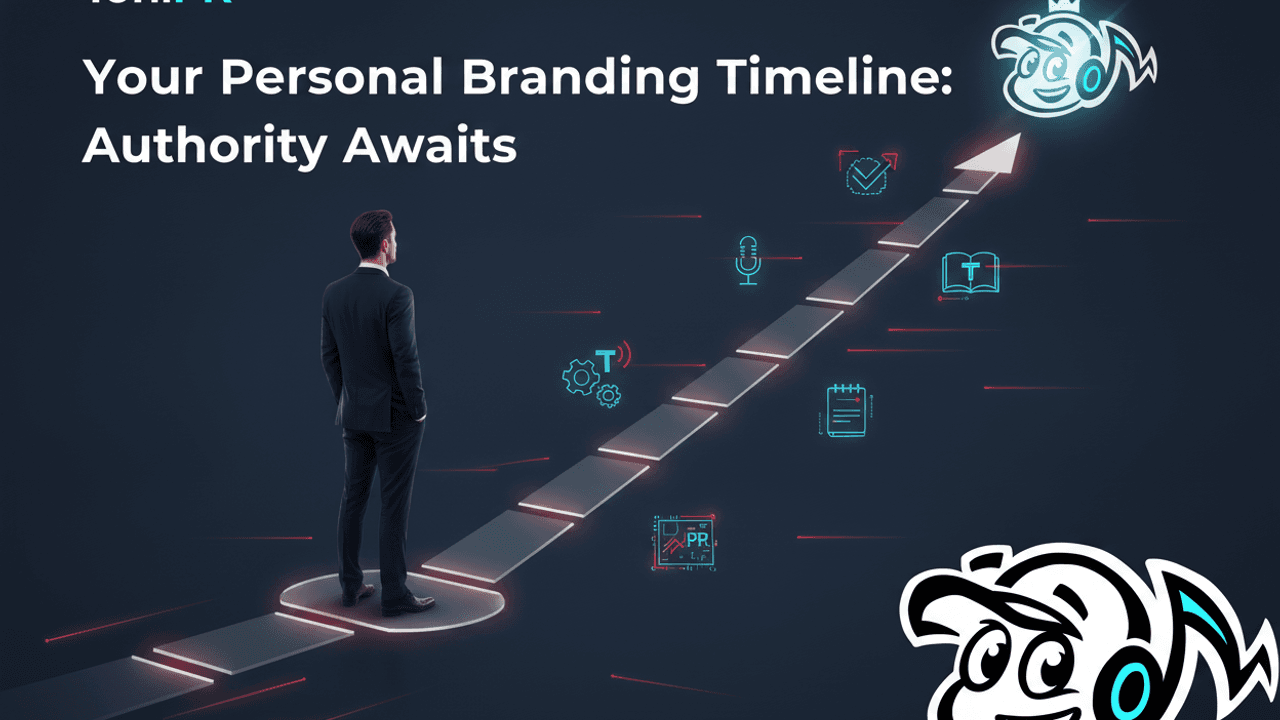
In today's competitive landscape, merely having expertise isn't enough. For solo consultants, small business owners, startup founders, and agency leads, establishing a visible, credible personal brand is no longer optional—it's essential for sustainable growth. Yet, many professionals struggle with where to start, feeling overwhelmed by the sheer volume of advice and the pressure to be everywhere at once. This is why a clear, actionable personal branding timeline is invaluable.
At ToniPR, we understand that building a strong personal brand is a journey, not a sprint. It requires strategic effort, authentic storytelling, and a commitment to delivering genuine value. This comprehensive personal branding timeline is designed to guide you from foundational steps to sustained authority, ensuring your efforts are focused, impactful, and aligned with ethical PR habits. We'll show you how to build a personal brand strategy that resonates, leveraging interview-led content and smart content repurposing to establish lasting thought leadership.
Introduction: Why a Personal Branding Timeline Matters for Professionals
The Imperative of Professional Personal Branding
For B2B professionals, the lack of visibility often translates directly into missed opportunities. Your brilliant ideas, invaluable experience, and unique solutions remain hidden if your personal brand doesn't effectively communicate them. In an era where trust is paramount, your personal brand is your most powerful asset for demonstrating expertise and reliability.
It’s important to distinguish between hype and credibility. Effective personal branding for professionals isn't about self-promotion; it's about showcasing your authentic value and building a reputation as a trusted expert. It's about becoming the go-to person in your niche, not through aggressive marketing, but through consistent, substantive contributions.
Who This Timeline Is For: Founders, Consultants, & Agency Leads
This timeline is specifically crafted for those who are serious about establishing a credible online presence and cultivating thought leadership without needing a full-time PR team. Whether you're a founder looking to elevate your startup's profile, a consultant aiming to attract ideal clients, or an agency lead seeking to differentiate your firm, this roadmap offers practical, actionable steps. If you're looking to move from invisible to influential, especially as a non-marketer wanting a personal brand, this guide is for you.
Why a Structured Approach Ensures Sustainable Authority
Without a structured approach, personal branding efforts can feel chaotic and yield inconsistent results. A phased, actionable timeline provides a clear roadmap, breaking down the complex journey into manageable steps. This ensures you build a strong foundation, develop effective content habits, and engage strategically, all of which are crucial for establishing lasting influence and becoming a recognized thought leader. For small businesses, integrating a thought leadership strategy into this timeline is key.
- Lack of visibility significantly hinders business and career growth for B2B professionals.
- Credibility, not hype, is the cornerstone of effective personal branding, fostering trust and respect.
- A phased, actionable timeline provides a clear roadmap to establish lasting influence and authority.
- Leveraging interview-led storytelling ensures authenticity and allows your genuine expertise to shine through.
Phase 1: Laying the Credibility Foundation (Months 1-3)
The initial phase of your personal branding timeline is all about introspection and strategic planning. Before you can effectively communicate your value to the world, you need a crystal-clear understanding of what that value is and who it serves. This foundational work is critical for building a personal brand strategy that is both authentic and impactful.
Discovering Your Unique Value Proposition and Niche
Start by conducting a deep self-assessment. What are your core strengths, experiences, and perspectives that truly differentiate you? What problems are you uniquely positioned to solve? Your unique value proposition (UVP) isn't just what you do, but how you do it differently and the specific outcomes you deliver. Defining your niche means specializing, not generalizing. Instead of being a "business consultant," aim to be "a consultant specializing in AI adoption strategies for B2B SaaS startups." This clarity makes you memorable and positions you as an expert.
Identifying Your Ideal Audience and Their Pain Points
Who are you trying to reach? What are their biggest challenges, aspirations, and information sources? Understanding your ideal audience goes beyond demographics; it delves into psychographics—their motivations, fears, and daily struggles. When you understand their pain points deeply, you can tailor your message and content to resonate powerfully. This also helps you identify where they "hang out" online, guiding your platform choices.
Optimizing Your Digital Home Base: LinkedIn & Beyond
For B2B professionals, LinkedIn is often the primary digital home base. Your profile isn't just a resume; it's a dynamic landing page for your personal brand. Ensure it’s fully optimized: a professional headshot, a compelling headline that articulates your UVP, a summary that tells your story and highlights your expertise, and detailed experience sections that showcase achievements, not just responsibilities. Beyond LinkedIn, consider a simple professional website or a dedicated landing page if appropriate, ensuring a credible online presence that reflects professionalism and trustworthiness.
Crafting Your Core Message for Clarity and Impact
Once you know your UVP and audience, distill it into a concise, compelling core message. This isn't just a tagline; it's the essence of your personal brand, the statement that articulates your value proposition clearly and memorably. Practice articulating it in various contexts—in a networking conversation, on your LinkedIn summary, or in a brief email. Consistency in this message across all platforms is key to establishing a strong and recognizable personal brand.
- Conduct a deep self-assessment of your expertise, experience, and unique perspective to uncover your unique value.
- Pinpoint the specific problems you solve and for whom, avoiding broad generalizations to define your niche.
- Ensure your LinkedIn profile is fully optimized, showcasing your authority and services clearly.
- Develop a concise, compelling core message that articulates your value proposition for maximum clarity and impact.
- Establish an online presence that reflects professionalism and trustworthiness, setting the stage for credibility building.
Remember, building a strong personal brand doesn't require a massive budget. Many foundational steps can be taken with minimal cost, as highlighted in our guide on how founders can build a strong personal brand on a budget.
Phase 2: Interview-Led Content & Strategic Distribution (Months 4-9)
With your foundation solid, this phase of your personal branding timeline shifts into actively demonstrating your expertise. This is where interview-led storytelling shines, allowing you to share your insights authentically and efficiently, a crucial step in your thought leadership roadmap.
Harnessing Your Voice with Interview-Style Content
Many professionals struggle with content creation, feeling pressured to write long articles or create polished videos from scratch. Interview-style content offers a powerful alternative. By answering PR-style questions about your expertise, experiences, and industry insights, you naturally articulate your thoughts in a conversational, authentic way. This format helps you overcome writer's block and ensures your content is genuinely "you." ToniPR specializes in helping you streamline content creation for your personal brand with AI, turning your spoken words into polished, press-ready outputs.
The Art of Content Repurposing for Maximum Reach
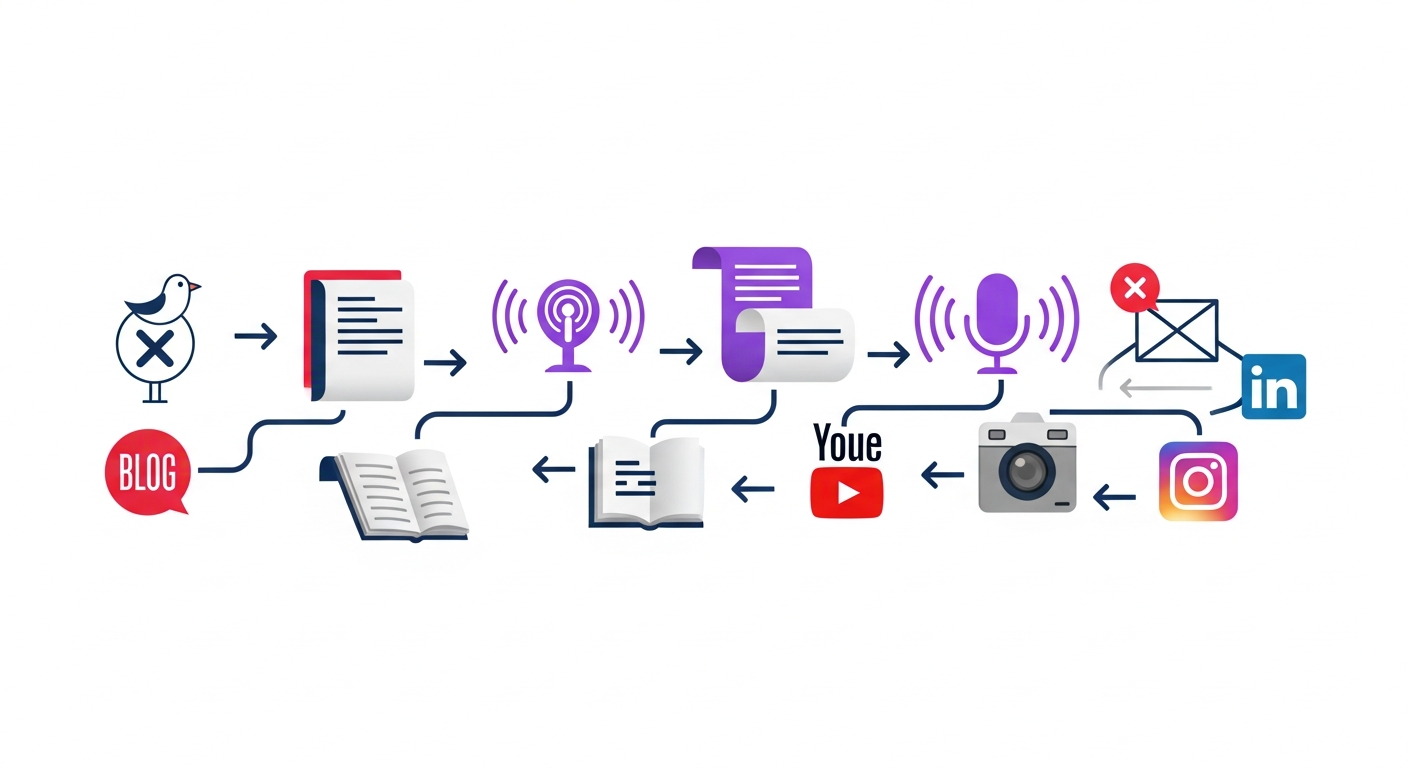
Once you've captured your insights through an interview, the real magic of content repurposing begins. A single interview can be transformed into a diverse array of assets:
- Quotes: Pull out impactful statements for social media graphics.
- LinkedIn Posts: Turn key ideas into short, engaging updates.
- Articles/Blog Posts: Expand on your answers to create comprehensive thought leadership pieces.
- Video Clips: Extract compelling snippets for short-form video content.
- Newsletter Snippets: Share quick tips or insights with your subscribers.
Building a Powerful LinkedIn Presence Beyond the Profile
Your optimized LinkedIn profile is just the start. Now, it's time to build a powerful presence through consistent, valuable contributions. Actively share your repurposed content—your insights, articles, and short-form posts. Engage with comments on your posts and those of others. Initiate discussions, offer thoughtful perspectives, and connect with industry peers and potential clients. LinkedIn is a conversation, not just a broadcast channel. A robust LinkedIn personal brand is built on consistent, meaningful interaction, not just static information.
Consistent, Ethical Content Cadence for Trust Building
Consistency is crucial for building trust and staying top-of-mind. Establish a realistic content cadence that you can maintain—whether it's once a week or a few times a month. The focus should always be on quality and relevance over quantity. Prioritize providing genuine value, sharing insights that educate, inspire, or solve problems for your audience. Avoid overly promotional or misleading content; remember that thought leadership is built on substantive contributions and ethical PR habits, not just self-advertisement. As the Management Consultancies Association emphasizes, genuine thought leadership is about intellectual capital and reputation building.
- Utilize Q&A formats to share insights, experiences, and expertise authentically, making content creation easier.
- Transform recorded interviews into a diverse array of assets: quotes, posts, articles, videos, maximizing reach through content repurposing.
- Actively share valuable content on LinkedIn, engaging with comments and initiating discussions to build your personal brand steps.
- Prioritize quality and relevance over quantity, focusing on genuine value for your audience.
- Understand that thought leadership is built on substantive contributions and ethical practices, not just promotion.
Phase 3: Amplification, Engagement & Ethical PR Habits (Months 10-18)
By now, your personal branding timeline should see you with a solid content stream and a growing online presence. This phase is about expanding your reach, deepening your connections, and cementing your reputation through active engagement and ethical outreach, a critical part of your credibility building for founders and other professionals.
Active Audience Engagement and Community Building
Your personal brand isn't just about what you say, but how you interact. Move beyond simply posting content to actively engaging with your audience. Respond thoughtfully to comments on your posts, participate in relevant LinkedIn groups, and engage in direct messages with individuals who show interest in your work. Seek opportunities to contribute to online communities where your expertise is valued. This two-way communication fosters stronger connections and positions you as a helpful, accessible expert.
Strategic Networking and Collaboration Opportunities
Look for opportunities to connect with complementary professionals, industry leaders, and potential partners. This isn't just about collecting connections; it's about building genuine relationships. Attend virtual and in-person industry events, join relevant professional associations, and proactively reach out to individuals whose work you admire. Consider collaborations—co-hosting a webinar, contributing to a joint article, or participating in a panel discussion. These collaborations expose your brand to new audiences and lend additional credibility by association.
Pursuing Credible Speaking & Guest Contribution Opportunities
As your personal brand strengthens, so does your eligibility for higher-profile opportunities. Identify reputable industry podcasts, webinars, and online publications that cater to your target audience. Develop targeted pitches for speaking slots or guest posts, showcasing your unique expertise and how it aligns with their audience's interests. Focus on providing value and insight, avoiding overly self-promotional or misleading tactics. These opportunities are powerful for amplifying your message and establishing your thought leadership roadmap. Read more on why your small business needs a thought leadership strategy.
Practicing Ethical PR for Lasting Trust and Reputation
The foundation of a powerful personal brand is trust. This means consistently practicing ethical PR habits. Be transparent about your affiliations, back up your claims with evidence, and avoid sensationalism or exaggerated promises. When interacting with journalists or media outlets, focus on offering genuine expertise and valuable insights, not just pushing a product or service. Building relationships based on integrity ensures that your reputation is not only strong but also resilient, capable of withstanding scrutiny and fostering long-term respect.
- Engage authentically with your audience through comments, DMs, and community participation.
- Seek out collaborations with complementary professionals and industry leaders to expand your reach.
- Identify and pitch for speaking slots or guest posts on reputable platforms relevant to your niche.
- Focus on providing value and insight in all your communications, avoiding self-promotional or misleading tactics.
- Build relationships with journalists and media outlets based on genuine expertise and ethical engagement.
Phase 4: Sustaining Authority & Evolving Your Brand (Ongoing)
A personal brand is not a static entity; it's a living, evolving asset. This final phase of your personal branding timeline is about continuous growth, adaptation, and solidifying your status as a lasting authority. This is where your long-term thought leadership roadmap truly takes shape.
Measuring Impact and Adapting Your Strategy
Regularly review the performance of your personal branding efforts. Look beyond vanity metrics. What content resonates most with your audience? Which platforms drive the most meaningful engagement or leads? Track website traffic from your content, LinkedIn engagement rates, new connections, and direct inquiries. Use this data to refine your content strategy, adjust your distribution channels, and ensure your efforts remain aligned with your goals. The insights gained here are crucial for continually optimizing your build personal brand strategy.
Continuous Learning and Staying Relevant
The world changes rapidly, and so do industries. To maintain your position as a thought leader, you must commit to continuous learning. Stay abreast of industry trends, technological shifts, and evolving audience needs. Read widely, attend conferences (virtual or in-person), and invest in ongoing professional development. Share your learnings and perspectives, demonstrating that you are current and forward-thinking. This commitment to relevance keeps your personal branding for professionals sharp and impactful.
Mentorship, Community Contribution, and Giving Back
True authority often comes with a desire to uplift others. As you gain expertise and influence, consider opportunities for mentorship. Share your knowledge and experience by guiding emerging professionals or contributing to industry groups and associations. Giving back to your community—whether through pro bono work, volunteer efforts, or sharing your insights freely—not only reinforces your personal values but also enhances your reputation as a generous and committed leader. This aligns with the principles of genuine thought leadership, as highlighted by the Management Consultancies Association.
The Long-Term Vision of Thought Leadership and Legacy
Understand that true authority and lasting influence are built over years of consistent, credible contributions. Your personal brand is not just about immediate gains but about cultivating a legacy of expertise, integrity, and impact. Think about the long-term vision: What do you want to be known for in five, ten, or even twenty years? This perspective helps you make strategic decisions that contribute to a resilient and enduring personal brand, one that continues to open doors and create opportunities long into the future.
- Regularly review your content performance, engagement rates, and new connections to measure impact.
- Stay abreast of industry trends, technological shifts, and evolving audience needs to remain relevant.
- Share your knowledge and experience by mentoring others or contributing to industry groups.
- Understand that true authority is built over years of consistent, credible contributions.
- Your personal brand is a living entity that requires ongoing care and evolution to sustain its influence.
Frequently Asked Questions
How long does it really take to build a credible personal brand?
Building a truly credible personal brand is a marathon, not a sprint. While you can see foundational progress and initial traction within 3-6 months, establishing deep trust and widespread recognition as a thought leader typically takes 1-2 years of consistent, strategic effort. Sustaining and evolving that brand is an ongoing process throughout your career. The key is consistency and genuine value delivery.
What's the most important channel for B2B personal branding?
For B2B professionals, LinkedIn is undeniably the most important channel. It serves as your digital professional home base, networking hub, and content distribution platform. However, a strong personal brand also benefits from a multi-channel approach, including guest contributions on industry-specific blogs or podcasts, and potentially a personal website, to broaden your reach and solidify your expertise.
Can I build a personal brand without a large social media following?
Absolutely. A large social media following is a vanity metric if it doesn't translate to genuine influence or business results. For B2B personal branding, quality of connections and depth of engagement matter far more than quantity. Focus on building relationships with your target audience, industry peers, and potential collaborators, even if that audience is niche. Credibility and impact come from valuable contributions, not follower counts.
How often should I be creating content for my personal brand?
The ideal frequency is one that you can consistently maintain without sacrificing quality. For many B2B professionals, posting valuable content on LinkedIn 2-3 times a week, combined with a longer-form piece (like a blog post or article) once or twice a month, is a solid cadence. Consistency is more important than daily posts if it leads to burnout. The goal is regular, meaningful interaction, not just constant noise.
Conclusion: Your Journey from Zero to Sustained Authority
Recapping Your Path to Influence and Credibility
Embarking on a personal branding journey can feel daunting, but with this structured personal branding timeline, you have a clear, actionable path from foundational steps to sustained authority. We've outlined how to define your unique value, leverage interview-led content, strategically repurpose your insights, and engage ethically to build a powerful and credible personal brand. Remember, this isn't about quick wins or fleeting trends; it's about building a robust reputation that serves you and your business for years to come.
The Unwavering Commitment to Authenticity and Value
At every stage of your journey, your unwavering commitment to authenticity, credibility, and delivering genuine value will be your guiding principles. These are the non-negotiables that differentiate a true thought leader from a marketer. By consistently sharing your unique insights and engaging thoughtfully with your audience, you not only build your own brand but also contribute meaningfully to your industry.
Your Next Steps in Cultivating a Powerful Personal Brand
Now that you have this roadmap, it's time to take action. Start with Phase 1: define your niche, optimize your LinkedIn profile, and craft your core message. As you progress, embrace interview-led storytelling to unlock your unique insights and voice. ToniPR offers a streamlined way to turn your expertise into press-ready content, helping you generate quotes, LinkedIn posts, articles, and more directly from your answers to PR-style questions.
- Building a personal brand is a marathon, not a sprint, requiring consistent effort and patience.
- Authenticity, credibility, and delivering genuine value are non-negotiable foundations for lasting influence.
- Embrace interview-led storytelling to unlock your unique insights and efficiently create valuable content.
- ToniPR offers a streamlined way to turn your expertise into press-ready content, saving you time and effort.
- Start your personal branding journey today with these actionable steps, and begin cultivating your powerful personal brand.
Ready to transform your expertise into credible visibility? Explore how ToniPR can support your personal branding journey and help you share your story with impact.