Introduction: Why Your Business Needs Credibility Beyond Social Media
In today's crowded digital landscape, simply having a social media presence is no longer enough to build lasting trust and authority for your business. While platforms like LinkedIn, Instagram, or Facebook offer valuable channels for connection, relying solely on them can leave your brand vulnerable to fleeting trends, algorithm changes, and a lack of true ownership over your narrative. For solo consultants, small business owners, startup founders, and agency leads, establishing a credible online presence for business is paramount – one that transcends the ebb and flow of social feeds and builds an enduring foundation of expertise and trust.
The Limitations of Fleeting Social Trends for B2B
Social media excels at real-time engagement and broad reach, but its nature often prioritizes ephemeral content and trending topics. For B2B companies, consultants, and creators, this focus on the immediate can overshadow the deeper, more substantial conversations that build long-term client relationships and demonstrate profound industry knowledge. Algorithms can change overnight, audience attention spans are notoriously short, and your content competes with everything from breaking news to cat videos. This environment isn't ideal for cultivating the nuanced, expert positioning your business truly needs.
Defining 'Credible Online Presence' for Founders and Consultants
A "credible online presence" goes far beyond follower counts or viral posts. It's about demonstrating authentic expertise, consistently delivering value, and building trust through owned channels and thoughtful engagement. It means having a digital footprint that reflects your professionalism, thought leadership, and the unique value you bring. For founders and consultants, this translates into being recognized as an authority in your field, someone whose insights are sought after and whose advice is trusted. It’s about building a reputation that precedes you, even before a prospect lands on your profile or website.
The Strategic Imperative: Moving Beyond Vanity Metrics
The allure of vanity metrics—likes, shares, comments—can be powerful, but they often don't translate into tangible business growth or sustained credibility. A strategic approach shifts focus from these surface-level indicators to metrics that truly matter: engaged readers, qualified leads, inbound inquiries, and genuine industry recognition. By prioritizing a credible online presence for business, you invest in long-term authority and influence, ensuring your message reaches the right audience with the right impact, regardless of the latest social media fad. If you're looking to build a strong online reputation without a massive budget, explore strategies on how to build a strong online reputation without a massive budget.
Laying the Foundation: Owned Media as Your Credibility Hub
To truly own your narrative and establish a lasting credible online presence for business, your owned media channels must serve as the bedrock of your digital strategy. These are the platforms you control entirely, free from the whims of third-party algorithms or platform changes.
Your Website and Blog: The Core of Your Digital Authority
Your business website is your most valuable digital asset. It's your always-on storefront, your digital office, and the definitive source of information about your services, values, and expertise. A professional, well-maintained website with a dedicated blog acts as the central hub for all your content, showcasing your authority and providing a stable home for your insights. This is where you house your long-form articles, case studies, whitepapers, and service descriptions, all designed to inform and convert. Regularly publishing high-quality, relevant content on your blog signals to search engines and your audience alike that you are an active, knowledgeable voice in your industry.
Showcasing Expertise: Turning Knowledge into Valuable Content Assets
Every founder, consultant, and business owner possesses unique expertise. The key to building a credible online presence for business is to effectively translate that knowledge into valuable content assets. This means moving beyond simple promotional posts and creating resources that genuinely help your audience solve problems, understand complex topics, or gain new perspectives. Think about the common questions your clients ask, the challenges they face, and the solutions you provide. These insights can form the basis of blog posts, guides, FAQs, and explainer articles. By offering this value upfront, you establish yourself as a helpful authority, not just a seller. Learn how to showcase your unique expertise as a founder to stop feeling generic online, and discover strategies on how to turn your expertise into evergreen content for lasting SEO impact.
Direct Communication Channels: Building Trust Through Email Newsletters
While social media offers broad reach, email newsletters provide a direct, personal, and highly effective channel for building trust and reinforcing your credibility. When someone subscribes to your newsletter, they are actively inviting you into their inbox, indicating a higher level of interest and engagement. This direct line of communication allows you to share exclusive insights, offer valuable resources, announce updates, and nurture relationships without algorithmic interference. A well-crafted email newsletter reinforces your authority, keeps your audience informed, and deepens loyalty, making it an indispensable tool for a credible online presence for business. Boost credibility and audience engagement with professional email newsletters.
The Power of Interview-Led Content: Authenticity and Repurposing
One of the most effective ways for founders, consultants, and SMBs to capture their authentic voice and expertise is through structured interviews. This approach taps into your natural ability to communicate your ideas and turns those insights into powerful content assets.
Unlocking Your Expertise Through Structured Interviews
When you're deeply immersed in your work, it can sometimes be challenging to articulate your core messages and unique insights in a structured written format. This is where interview-led content creation shines. By answering targeted, PR-style questions, you naturally express your expertise, share anecdotes, and explain complex concepts in your own voice. This method bypasses the blank page syndrome and allows your authentic personality and knowledge to come through, creating content that is both genuine and authoritative. Structured interviews help you uncover the stories and perspectives that truly differentiate you, making your content more compelling and relatable to your audience.
ToniPR: From Spoken Words to Press-Ready Outputs
This is precisely where ToniPR steps in. ToniPR is an AI-powered PR interview product designed to help founders, consultants, SMBs, and creators transform their spoken expertise into polished, press-ready content. Instead of struggling to write articles from scratch, you simply record your answers to PR-style interview questions. ToniPR then takes those answers and generates a variety of professional outputs, including:
- Quotes: Perfect for media outreach, social media, and website testimonials.
- LinkedIn Posts: Engaging content crafted to resonate with your professional network.
- Articles: Well-structured blog posts or thought leadership pieces for your owned channels.
- Bios: Updated, impactful summaries of your professional journey and expertise.
By leveraging ToniPR, you can efficiently capture your authentic voice and expertise, producing high-quality content that significantly contributes to your credible online presence for business without needing a full PR team or extensive writing skills. Discover how ToniPR helps turn interviews into press-ready content.
Strategic Content Repurposing: Maximizing Every Insight for Authority
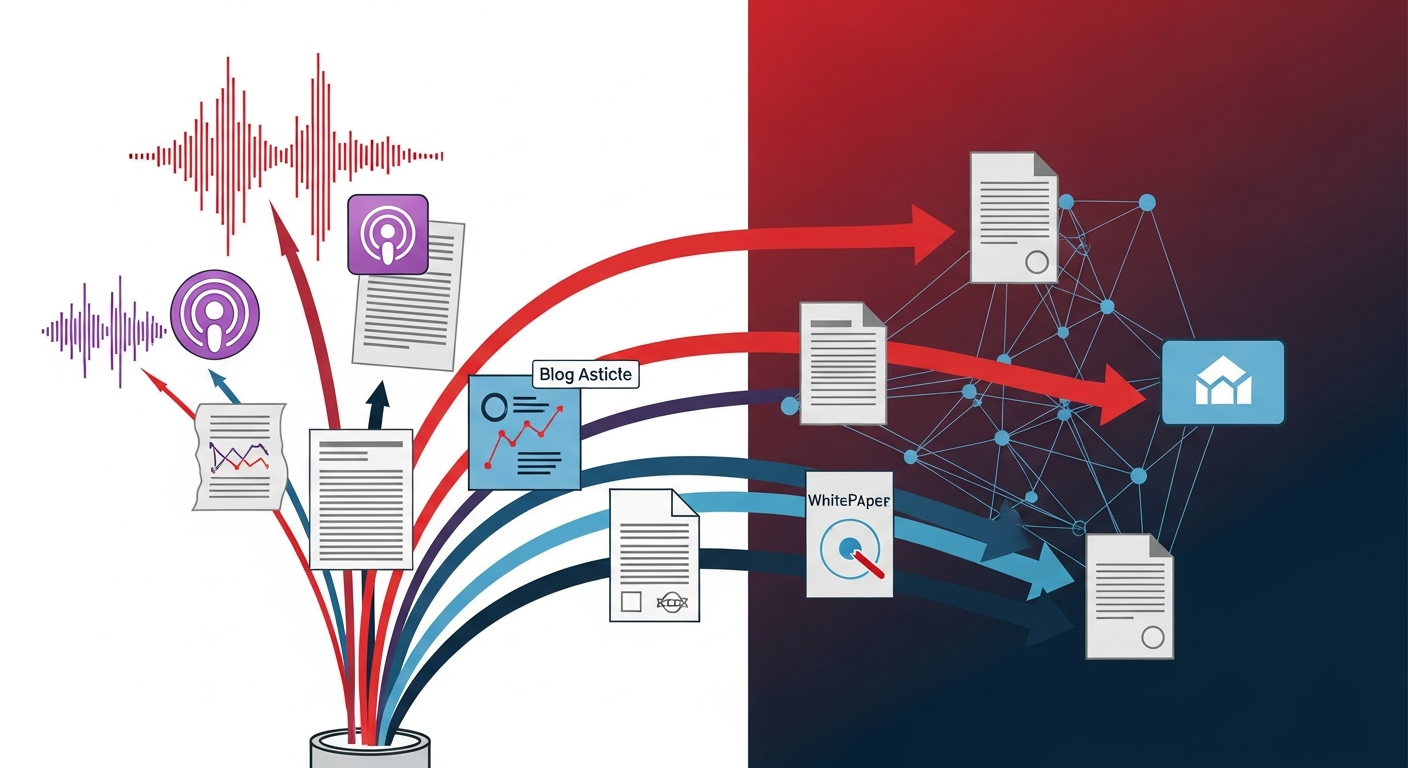
Creating original, high-quality content takes time and effort. Strategic content repurposing ensures you maximize the value of every insight you generate, amplifying your reach and reinforcing your credibility across multiple platforms. Once you've captured your expertise through an interview (or any other primary content piece), you can transform it into various formats:
- Turn a detailed article into a series of short social media posts.
- Extract key quotes for visual graphics.
- Convert a blog post into a script for a podcast or video.
- Compile several related articles into an email newsletter series or an e-book.
This approach allows you to consistently deliver value to different segments of your audience on their preferred platforms, without having to invent new content from scratch every time. Repurposing not only saves time but also reinforces your core messages, establishing you as a consistent and authoritative voice in your industry. For more ideas on how to maximize your content, check out 15+ Ideas for Remixing, Recycling, and Repurposing Content from the Content Marketing Institute.
Building Authority Ethically: Long-Term PR Habits for SMBs
In the pursuit of a credible online presence for business, the "how" is just as important as the "what." Ethical PR practices are not just a moral imperative; they are a strategic advantage that builds lasting trust and differentiates your business in a crowded market.
Defining Ethical PR: Integrity as Your Competitive Advantage
Ethical public relations is founded on principles of honesty, transparency, and integrity. It means communicating truthfully, never misleading your audience or the media, and standing by your claims. For SMBs, consultants, and founders, this commitment to ethics becomes a powerful competitive advantage. When your audience perceives you as trustworthy and authentic, they are more likely to engage with your content, invest in your services, and become loyal advocates. Prioritizing integrity in all your communications helps you build a reputation that is resilient and respected, creating a true credible online presence for business. The PRSA Code of Ethics offers foundational principles for ethical public relations practices.
Beyond Media Hits: Cultivating Genuine Reputation and Relationships
True PR success for SMBs isn't solely about landing a big media placement; it's about cultivating a genuine, positive reputation over time and fostering meaningful relationships. While media mentions can certainly boost visibility, their impact is amplified when they are part of a broader strategy focused on consistent, credible communication and relationship-building. Instead of chasing every possible media hit, concentrate on opportunities that genuinely align with your expertise and values, allowing you to contribute authentically. Building relationships with journalists, industry influencers, and your audience through consistent value delivery will yield far greater long-term dividends than a one-off feature. This sustained effort is what truly builds a credible online presence for business.
Avoiding Hype: The Credibility Cost of Overpromising
In the digital age, it's easy to fall into the trap of exaggerated claims and hype to grab attention. However, for businesses aiming for a credible online presence for business, this approach is counterproductive. Overpromising and under-delivering quickly erodes trust and damages your reputation. Audiences are savvy; they can spot inauthenticity and will quickly dismiss brands that make unrealistic claims. Instead, focus on factual, value-driven storytelling. Highlight real results, share genuine testimonials, and articulate your services and expertise clearly and honestly. Your credibility is your most valuable asset, and protecting it means always prioritizing truth and transparency over fleeting sensationalism.
LinkedIn: Your Professional Credibility Hub (Beyond the Feed)
For B2B founders, consultants, and agency leads, LinkedIn is more than just a social network; it's an essential platform for building and maintaining a credible online presence for business. Its professional focus makes it ideal for showcasing expertise, connecting with peers, and attracting clients.
Optimizing Your Profile as a Thought Leadership Platform
Your LinkedIn profile should be much more than an online resume. It's your professional storefront, a dynamic platform to showcase your thought leadership and expertise. Ensure your headline clearly states your value proposition, not just your job title. Use the "About" section to tell your story, highlight your unique insights, and articulate the problems you solve for clients. Populate the "Experience" and "Skills" sections with rich descriptions that demonstrate impact and proficiency. Actively seek recommendations and endorsements from clients and colleagues. A fully optimized profile signals professionalism and competence, laying a strong foundation for your credible online presence for business.
Strategic Content Sharing: Curated Insights and Original Articles
To establish yourself as a thought leader on LinkedIn, engage in strategic content sharing. This involves a mix of curating valuable industry insights from reputable sources and publishing your own original long-form articles or short posts. When sharing curated content, always add your unique perspective or analysis, explaining why it's relevant to your audience. For original content, leverage your expertise to write articles that delve into industry trends, offer practical advice, or share lessons learned. This consistent contribution of high-value content positions you as an informed, active voice in your field, reinforcing your credible online presence for business.
Engaging with Intention: Building a Network of Trust
LinkedIn is built on professional networking, but the key is to engage with intention. Don't just collect connections; cultivate meaningful relationships. Participate in relevant groups, offer thoughtful comments on posts from industry leaders, and engage in constructive discussions. When connecting with new people, personalize your invitations and explain why you'd like to connect. By actively contributing to conversations and providing value to your network, you build a reputation as a knowledgeable and supportive professional. This intentional engagement expands your reach and strengthens your overall credible online presence for business, leading to genuine opportunities and collaborations.
Sustaining and Scaling Your Credible Online Presence
Building a credible online presence for business is not a one-time project; it's an ongoing commitment. To ensure your authority and trust endure and grow, consistency, quality, and adaptability are key.
Consistency and Quality: The Twin Pillars of Lasting Authority
The digital world is constantly moving, and maintaining a strong online presence requires sustained effort. Consistency in your content output, engagement, and messaging is crucial. Regular updates to your blog, consistent participation on LinkedIn, and a reliable email newsletter schedule all signal to your audience (and search engines) that you are an active and reliable source of information. However, consistency without quality is ineffective. Every piece of content you produce, every interaction you have, must reflect your high standards and commitment to delivering value. High-quality content, well-researched insights, and thoughtful engagement will solidify your reputation and ensure your credible online presence for business continues to grow.
Measuring Impact Beyond Vanity Metrics: Focusing on Trust and Engagement
To truly understand the effectiveness of your efforts, you must look beyond superficial vanity metrics. Instead of just tracking likes or followers, focus on indicators that reflect genuine trust and engagement. These include:
- Website traffic: How many unique visitors are coming to your owned content?
- Time on page/site: Are people spending time consuming your valuable content?
- Email open and click-through rates: Are your newsletter subscribers engaging with your content?
- Content shares and saves: Are people finding your content valuable enough to share with their networks or save for later?
- Inbound inquiries: Are you receiving qualified leads or direct messages asking for your expertise?
- Mentions and backlinks: Are other reputable sources referencing your content or expertise?
These metrics provide a clearer picture of how effectively you are building trust and establishing your credible online presence for business, guiding your strategy for future efforts.
Evolving Your Strategy: Adapting to Build Enduring Influence
The digital landscape is dynamic, with new platforms, technologies, and audience behaviors constantly emerging. To sustain and scale your credible online presence for business, your strategy must be adaptable. Regularly review your content performance, solicit feedback from your audience, and stay informed about industry trends. Are there new topics your audience is interested in? Are new platforms emerging where your target audience congregates? Being willing to evolve your content formats, communication channels, and messaging based on data and insights will ensure your influence remains enduring and relevant. This proactive approach to adaptation is key to long-term success in building and maintaining online authority.
Frequently Asked Questions
How can I build a credible online presence without a large PR budget?
Building a credible online presence doesn't require a massive budget; it requires strategic effort and consistency. Focus on owned media: your website and blog are free from platform algorithms and are entirely under your control. Use tools like ToniPR to efficiently transform your expertise into diverse content formats like articles and LinkedIn posts, maximizing your output without hiring a full writing team. Prioritize ethical PR habits, which cost nothing but build invaluable trust. Leverage LinkedIn as a professional hub by optimizing your profile and engaging thoughtfully. The key is to consistently deliver high-quality, valuable content that showcases your expertise, rather than relying on paid promotion.
What's the key difference between a strong social media presence and a credible online presence?
A strong social media presence often focuses on reach, engagement (likes, shares), and trending topics. While valuable for broad awareness, it can be fleeting and platform-dependent. A credible online presence for business, however, is built on trust, authority, and owned assets. It emphasizes deep expertise, consistent value delivery, and long-term reputation. It's about being recognized as a go-to expert in your field, not just someone with a lot of followers. It prioritizes owned channels (website, blog, email list) where you control the narrative, and engagement on platforms like LinkedIn is aimed at fostering professional relationships and showcasing thought leadership, not just chasing virality.
How does interview-led content creation specifically help B2B founders and consultants?
For B2B founders and consultants, interview-led content creation is incredibly powerful because it captures authentic expertise and unique insights that are hard to replicate. It helps overcome the challenge of writing from scratch by allowing you to articulate your thoughts naturally, just as you would in a client meeting. Tools like ToniPR take your spoken answers to PR-style questions and transform them into professional outputs like articles, LinkedIn posts, and quotes. This process efficiently turns your deep industry knowledge and practical experience into valuable content assets that establish you as a thought leader, attract qualified leads, and build trust with your target B2B audience, all in your genuine voice.
Is it ethical to repurpose content, and how can it be done effectively?
Yes, it is absolutely ethical to repurpose content, and it's a highly effective strategy for maximizing the value of your efforts. Repurposing is about transforming existing content into new formats or distributing it through different channels to reach a wider audience or reinforce a message. It's not about plagiarism or duplicating content; it's about intelligent reuse. To do it effectively:
- Start with a high-quality, foundational piece (e.g., an in-depth interview, a comprehensive article).
- Break it down into smaller, digestible components (e.g., key quotes, statistics, actionable tips).
- Adapt the content for different platforms (e.g., turn an article into a video script, an infographic, a series of social media posts, or an email newsletter).
- Always add value and context relevant to the new format or platform.
- Ensure consistency in your core message across all repurposed pieces.