For solo consultants, startup founders, small business owners, and creators, gaining credible visibility is a significant challenge. Without a dedicated public relations team, the idea of earning media mentions can feel out of reach, often overshadowed by the perceived complexity and expense of traditional PR. However, the landscape is changing. With the right strategy, a focus on authentic storytelling, and smart tools, you can build your profile and secure valuable media attention. This playbook outlines a practical, ethical approach for entrepreneurs to successfully navigate the world of media relations and establish themselves as respected thought leaders.
Introduction: Your PR Playbook Starts Here
In today's competitive market, simply having a great product or service isn't enough. You need to be seen, heard, and trusted. That's where earned media comes in—a powerful, often misunderstood, component of a robust visibility strategy. For entrepreneurs, understanding and leveraging earned media mentions is critical for building long-term credibility and authority.
Why Credible Earned Media is Essential for Founders, Consultants, and SMBs
Earned media refers to any publicity gained through promotional efforts other than paid advertising. Think news articles, interviews, features, or mentions in reputable publications and podcasts. Unlike advertising, where you pay for placement, earned media is a third-party endorsement, carrying significantly more weight and trust. When a journalist or editor decides to cover your story, it signals to their audience that you or your business is newsworthy and credible.
- Building Trust and Authority: Consumers are increasingly wary of direct advertising. An objective mention in a respected publication can build trust far more effectively than any ad campaign. It positions you as an expert and a thought leader in your field.
- Establishing Thought Leadership: Regularly appearing in media outlets allows you to share your unique perspectives, insights, and solutions. This consistent presence helps establish you as a go-to authority, someone whose opinions matter and are sought after.
- Overcoming PR Challenges: Many solo entrepreneurs and small businesses face budget and time constraints that prevent them from hiring a full-time PR agency. This playbook focuses on strategies you can implement yourself, empowering you to take control of your narrative and actively pursue how to get media coverage.
- Setting Realistic Expectations: It’s important to understand that earned media is a long-game strategy. It's about building relationships and providing genuine value, not about guaranteed overnight success. The goal is consistent, credible visibility, not a viral sensation. We focus on ethical PR for entrepreneurs, ensuring your efforts are sustainable and reputation-building.
The ToniPR Philosophy: Credibility Over Hype in Your Visibility Strategy
At ToniPR, we believe that authentic storytelling and genuine expertise are the most powerful tools for earning media mentions. Our philosophy is rooted in practical, credible visibility strategies, steering clear of exaggerated claims or "get rich quick" PR schemes. We champion an interview-led approach because we know that your unique voice and insights are your most valuable assets. By helping you articulate your expertise clearly and concisely, we empower you to engage with media on your own terms, fostering real connections and earning media mentions strategy that genuinely elevates your profile.
Crafting Your Core Narrative: What Makes You Media-Worthy?
Before you even think about reaching out to journalists, you need a crystal-clear understanding of your story, your value, and what makes you unique. This is the foundation of any successful earning media mentions strategy and is crucial for PR for founders.
Unearthing Your Unique Value Proposition and Expertise
What problem do you solve? How do you solve it differently or better than anyone else? Your unique value proposition (UVP) isn't just for your customers; it's also what makes you interesting to media. Journalists are looking for fresh angles, innovative solutions, and compelling narratives.
- Define Your Niche: Be specific about who you serve and the specific problems you address. A broad message often gets lost.
- Translate Experience into Story: Don't just list your credentials. Turn your experience, challenges, and successes into relatable stories that highlight your expertise and the impact you make.
- Develop a Clear, Concise Message: Can you explain what you do and why it matters in 30 seconds? Journalists are busy; clarity is paramount.
- Establish Brand Identity and Impact: What do you stand for? What change are you creating in the world or your industry? A strong brand identity, coupled with a clear demonstration of impact, makes your story more compelling. For more insights, check out these 5 PR Tips That Every Founder Needs To Know.
Identifying Your Thought Leadership Angles and Industry Insights
Media relations for small business thrive on thought leadership. What unique insights do you have about your industry, market trends, or the future? Journalists are constantly seeking experts who can offer fresh perspectives, predictions, or commentary on current events.
- Research Current Trends: Stay informed about what's happening in your industry. How does your work intersect with broader trends? Can you offer a unique take or solution to an emerging challenge?
- Develop Strong Opinions: Don't be afraid to take a stance on industry issues. A well-reasoned, albeit potentially contrarian, opinion can be highly newsworthy.
- Spot Emerging Opportunities/Threats: Are you seeing shifts others aren't? Can you predict what's next? Sharing these insights positions you as a visionary.
- Consider a Comprehensive Media Strategy: This isn't just about one-off mentions. A long-term media strategy helps you consistently identify and pitch thought leadership angles. Learn more about developing one with our guide on Why Your Small Business Needs a Media Strategy.
Understanding What Journalists and Editors Truly Look For
Journalists are not looking for advertisements; they are looking for stories. They need timely, relevant, and engaging content that will resonate with their audience. Your job is to make their job easier.
- Newsworthiness: Is your story timely? Does it impact a large audience? Is it unique or unusual?
- Expert Commentary: Can you provide expert analysis on a current event or trend?
- Problem/Solution Narratives: Do you have a compelling story about overcoming a significant challenge or offering an innovative solution?
- Data and Statistics: Back up your claims with credible data. This adds weight and authority to your message.
- Human Interest: People connect with people. Share the human element of your journey, your business, and your impact.
From Expertise to Engagement: Mastering Interview-Led Storytelling
Once you've identified your core narrative, the next step is to prepare to share it effectively. Interview-led storytelling is a powerful technique for earning media mentions, allowing your authentic voice and expertise to shine through.
The Power of Your Voice: Why Interviews Resonate with Audiences
Interviews, whether for an article, podcast, or broadcast, are direct conduits for your personality and expertise. Unlike written press releases, an interview allows for nuance, emotion, and direct connection. This narrative communication is highly effective.
- Authenticity Builds Trust: When people hear your voice and your genuine responses, it fosters a deeper sense of trust and connection than reading a curated statement.
- Human Connection: Stories told in your own words are more engaging and memorable. They allow audiences to connect with the person behind the brand.
- Showcasing Expertise: Interviews provide a platform to elaborate on complex topics in an accessible way, showcasing your depth of knowledge and unique perspective. The University of Pennsylvania highlights the importance of Narrative Strategies for Professional Communication, underscoring its power.
Preparing for Impactful Interviews: Structuring Your Thoughts and Answers
Preparation is key to delivering a memorable and impactful interview. Don't just wing it; structure your thoughts to ensure your key messages land effectively. This is crucial for interview-based content for media.
- Identify Key Messages: Before any interview, determine 2-3 core messages you want to convey, regardless of the questions asked.
- Anticipate Questions: Think about the likely questions a journalist will ask, and practice your responses. Consider both soft and challenging questions.
- Practice Your Narrative: Rehearse telling your story and articulating your expertise clearly and concisely. Focus on using strong examples and avoiding jargon.
- Bridging Techniques: Learn how to "bridge" from a difficult or off-topic question back to your key messages.
- Be Concise: Journalists appreciate clear, succinct answers. Avoid rambling.
Transforming Raw Answers into Press-Ready Assets with AI-Powered Tools
Even with excellent interview skills, turning raw audio or video into polished, press-ready content can be time-consuming. This is where AI-powered tools like ToniPR become invaluable for your earning media mentions strategy.
- Streamlined Content Creation: Tools like ours help you convert your spoken interview responses into high-quality quotes, articles, LinkedIn posts, and more, quickly and efficiently.
- Consistency and Quality: Ensure your messages are consistently articulated across different formats, maintaining a professional and polished output.
- Maximizing Repurposing: Easily extract key insights and turn them into multiple content pieces, extending the reach and impact of a single interview. Visit ToniPR to see how AI PR interviews can transform your content creation process.
- Strategic Advantage: By automating the content generation from interviews, you free up time to focus on outreach and relationship building, giving you a strategic advantage in professional communication.
Building Bridges, Not Burning Them: Strategic & Ethical Media Outreach
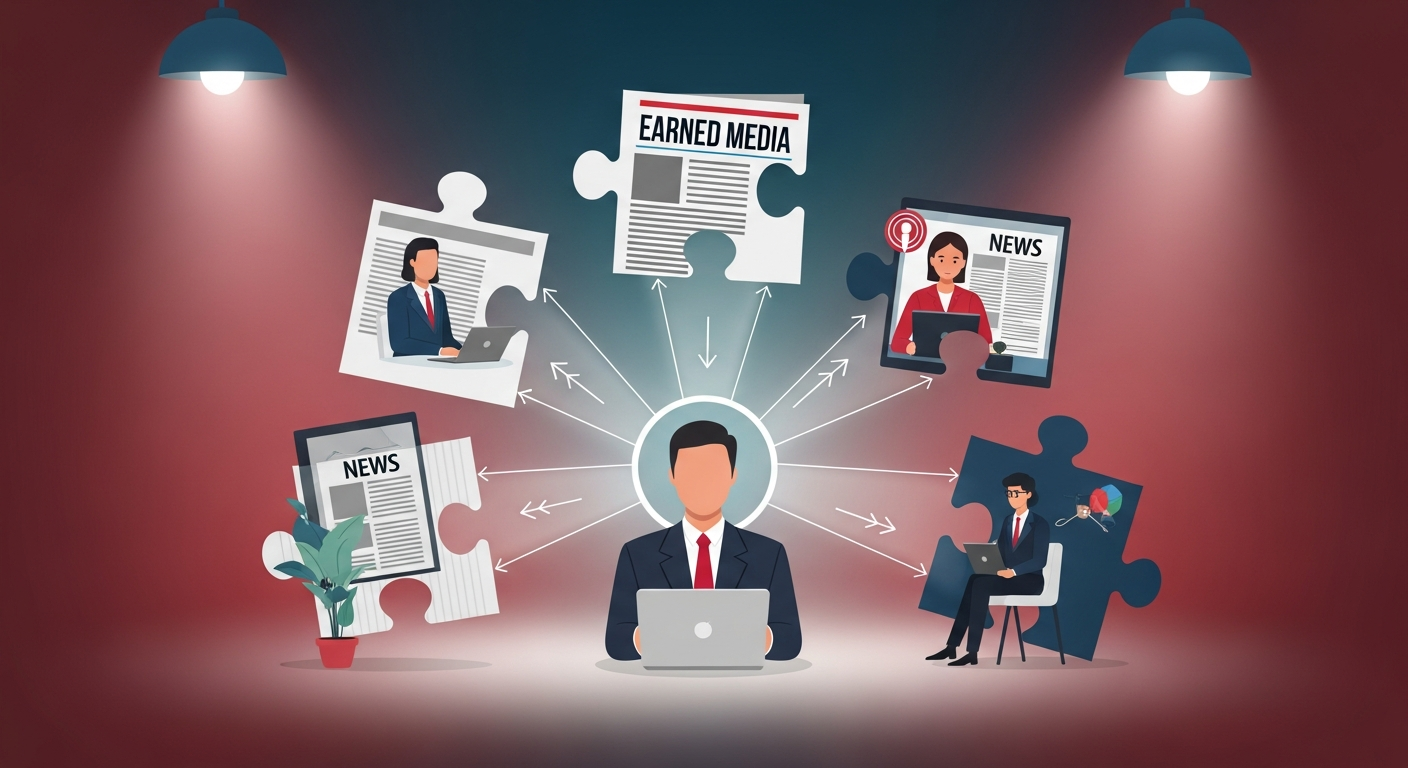
With your narrative honed and your interview skills prepped, it's time to engage with the media. This phase requires strategy, respect, and adherence to ethical PR habits.
Researching the Right Journalists, Publications, and Podcasts for Your Niche
Spray-and-pray pitching is ineffective and wastes everyone's time. A targeted approach is essential for successful media relations for small business.
- Identify Relevant Outlets: Which publications, blogs, podcasts, or broadcast shows genuinely cover your industry or topics related to your expertise? Think beyond the big names to niche industry publications.
- Follow Specific Reporters: Once you identify outlets, find the specific journalists or hosts who cover your area of expertise. Read their recent articles or listen to their episodes to understand their style and interests.
- Understand Their Audience: Is your story a good fit for their audience? If not, it's not a good fit for the journalist.
Crafting a Compelling (and Concise) Pitch That Stands Out
Your pitch is your first impression. It needs to be clear, concise, and compelling, demonstrating that you've done your homework and have something genuinely valuable to offer.
- Personalize Your Outreach: Address the journalist by name and reference a specific article or segment they've done. This shows you're not sending a generic email.
- Clear Hook: Start with a strong hook that immediately grabs their attention and highlights the newsworthiness of your story.
- Value Proposition: Clearly state what you can offer the journalist and their audience—unique insights, expert commentary, a compelling story, data.
- Concise and Scannable: Keep your pitch brief—ideally 3-5 paragraphs. Journalists receive hundreds of emails; make yours easy to digest.
- Clear Call to Action: What do you want them to do? (e.g., "Would you be open to a 15-minute call to discuss this further?")
- Follow-Up Best Practices: A polite, single follow-up email after about a week is generally acceptable. Avoid being intrusive or overly persistent. For a deeper dive, read our guide on Mastering DIY Media Pitching.
Nurturing Long-Term Media Relationships Through Value and Respect
Successful earning media mentions strategy is built on relationships, not transactions. Treat journalists as partners, not just means to an end.
- Be a Resource: Even if your pitch isn't immediately accepted, offer to be a resource for future stories related to your expertise.
- Respect Deadlines: If a journalist reaches out, respond promptly and provide what they need within their timeframe.
- Provide Value, Not Just Self-Promotion: Offer genuine insights and data, even if it's not directly promoting your business.
- Thank Them: A simple thank you can go a long way in building goodwill.
- Adhere to Ethical PR Practices: Always be honest, transparent, and accurate in your communications. Never mislead a journalist or make false claims.
The Role of an Essential Founder Press Kit
A well-prepared press kit is an indispensable tool for any founder seeking media coverage. It acts as a one-stop shop for journalists, providing them with all the necessary background information and assets to cover your story efficiently.
- Quick Access to Information: Journalists are often on tight deadlines. A comprehensive press kit allows them to quickly gather facts, images, and quotes without extensive back-and-forth.
- Ensuring Brand Consistency: Your press kit can include approved logos, brand guidelines, and headshots, ensuring that media portray your brand accurately.
- Demonstrating Professionalism: Having a polished press kit signals to journalists that you are serious, organized, and ready for media engagement.
- Key Components: Typically includes your company bio, founder bios, high-resolution headshots, company logos, recent press releases, relevant statistics, and contact information. For a detailed breakdown, explore our guide on Building Your Essential Founder Press Kit.
Beyond the Mention: Repurposing Your PR Wins for Maximum Impact
Earning a media mention is a victory, but it's only the beginning. The real power comes from repurposing your PR wins to amplify your message and reinforce your thought leadership.
Leveraging Media Mentions Across Your Website, Social Media, and Marketing Channels
Don't let a great mention sit in isolation. Integrate it everywhere your audience interacts with your brand.
- Website "Press" or "As Seen In" Section: Create a dedicated page on your website to showcase all your media mentions, linking back to the original source. This builds credibility for new visitors.
- Social Media Amplification: Share your media mentions on LinkedIn, Twitter, Instagram, and other relevant platforms. Tag the publication and the journalist (if appropriate) to extend reach. Frame it as "Thrilled to share..." or "Our insights featured in..."
- Email Signatures: Add a subtle link to your latest mention in your email signature.
- Marketing Materials: Incorporate media logos or quotes into your presentations, brochures, and sales collateral.
Content Repurposing Strategies: From Quotes to LinkedIn Posts and Beyond
One media mention can fuel a wealth of new content. This is the essence of content repurposing for PR.
- Extract Quotes: Pull out compelling quotes from your interview or the article and use them as standalone social media graphics or as testimonials.
- Develop Blog Posts: Expand on the topics discussed in your media mention. Turn a single interview point into a detailed blog post or a series.
- Create Email Newsletters: Share snippets of your media coverage and link to the full piece in your email newsletters. Offer additional commentary or behind-the-scenes insights.
- Update Your Bio: Add new media mentions to your professional bios on your website, social media profiles, and speaking engagement applications.
- Speaking Points: Use insights and stories from your media interviews to enrich your speaking engagements or webinars.
- Consider Podcast Guesting: If you've been mentioned in an article, that expertise can often translate into a compelling pitch for podcast guesting, extending your reach to new audio audiences. Explore our insights on Strategic Podcast Guesting for Entrepreneurs.
Building Your Thought Leadership Ecosystem with Earned Content
By consistently repurposing and amplifying your earned media, you create a self-reinforcing ecosystem of thought leadership. Each mention builds on the last, solidifying your reputation and increasing your overall visibility.
- Consistent Content Calendar: Plan how you'll integrate earned media into your regular content schedule.
- Reinforce Authority: Each time you share a media mention, you reinforce your authority and expertise in your niche.
- Expand Reach: Different platforms reach different audiences. Repurposing ensures your message reaches the widest possible audience.
- Lead Generation: Credible media mentions can drive qualified traffic to your website and generate inbound inquiries from potential clients or partners.
Maintaining Momentum: Your Ongoing PR Journey
Earning media mentions is not a one-time event but an ongoing journey. Sustaining your PR efforts requires consistency, adaptability, and a clear understanding of what success truly looks like.
Consistency is Key: Building a Sustainable PR Routine
Like any valuable business activity, PR benefits from a consistent, routine approach. Sporadic efforts rarely yield significant, long-term results.
- Allocate Dedicated Time: Set aside regular time each week for media research, content creation, and outreach. Even a few hours can make a difference.
- Maintain a Content Pipeline: Continuously develop new thought leadership angles, insights, and stories that can be pitched to media.
- Stay Current: Keep abreast of industry news and trends to identify timely opportunities for commentary.
- Automate Where Possible: Leverage tools like ToniPR to streamline the content generation from your interviews, making your routine more efficient.
Measuring Success Beyond Vanity Metrics: What Really Matters
It's easy to get caught up in the excitement of a mention, but true PR success goes beyond mere visibility. Focus on metrics that align with your business objectives.
- Quality Over Quantity: One mention in a highly relevant, reputable publication can be far more valuable than dozens in obscure outlets.
- Website Traffic and Engagement: Track referral traffic from media mentions. Are people clicking through to your site? Are they engaging with your content once they arrive?
- Inbound Inquiries: Are you receiving more qualified leads, partnership requests, or speaking invitations directly attributable to your PR efforts?
- Brand Sentiment: Monitor how your brand is perceived. Is the media coverage enhancing your reputation and reinforcing your desired image?
- SEO Benefits: High-quality backlinks from reputable media sites can indirectly boost your search engine ranking.
Adapting and Evolving Your PR Approach for Long-Term Visibility
The media landscape is constantly evolving. To stay relevant and effective, your PR strategy must be agile and responsive.
- Analyze Results: Regularly review what's working and what isn't. Which types of pitches resonated? Which outlets provided the most impact?
- Solicit Feedback: If you have trusted mentors or peers, ask for their input on your pitches or interview performances.
- Stay Agile: Be prepared to pivot your strategy based on new industry trends, changes in media focus, or the emergence of new platforms (e.g., Clubhouse, TikTok in their early days).
- Continuous Learning: Invest in learning about new PR tactics, tools, and best practices. The world of media relations is dynamic.
- Refine Your Narrative: As your business grows and evolves, so too should your story. Ensure your core narrative remains current and compelling.
Frequently Asked Questions About Earning Media Mentions
How long does it typically take for a small business or founder to earn a media mention?
The timeline for earning a media mention can vary significantly, ranging from a few weeks to several months, or even longer. It depends on several factors: the newsworthiness and timeliness of your story, the relevance of your pitch to the journalist's beat, the size and reach of the publication you're targeting, and the consistency of your outreach efforts. Building genuine relationships with journalists also takes time. It's crucial to set realistic expectations and understand that PR is a marathon, not a sprint, focusing on a consistent earning media mentions strategy rather than instant gratification.
Do I need to hire a PR agency to get media coverage, or can I do it myself?
While PR agencies can offer extensive networks and expertise, it is absolutely possible for founders, solo consultants, and small business owners to earn media coverage themselves. Many successful entrepreneurs manage their own media relations for small business. The key is to be strategic, consistent, and utilize available resources—like AI-powered tools such as ToniPR for content creation. Focus on developing a strong narrative, researching relevant journalists, crafting personalized pitches, and leveraging your expertise through interview-led storytelling. Our blog provides many resources, including a guide on Mastering DIY Media Pitching, to help you get started.
What's the key difference between earned media and paid media for entrepreneurs?
The fundamental difference lies in control and credibility. Paid media (like advertising, sponsored content, or influencer marketing) involves paying for placement and therefore offers complete control over the message, timing, and audience. However, its credibility is often lower because the audience knows it's an advertisement. Earned media (such as news articles, expert quotes, or interviews) is publicity gained without direct payment. While you have less control over the final output, it carries significantly higher credibility because it's a third-party endorsement from a trusted source. For entrepreneurs, earned media is invaluable for building trust, authority, and thought leadership, which are cornerstones of a strong brand.
How do I identify which media outlets and journalists are the best fit for my unique story?
Identifying the right fit requires diligent research. Start by thinking about your target audience: Where do they get their news and information? Then, look for publications, websites, podcasts, or broadcast shows that cater to that audience and regularly cover topics related to your industry, expertise, or unique story. Read or listen to several pieces from these outlets to understand their tone, style, and the types of stories they feature. Next, identify specific journalists or hosts within those outlets who consistently cover your niche. Follow them on social media (especially LinkedIn and X/Twitter) to understand their current interests and recent work. This targeted approach ensures your pitches are relevant and increases your chances of securing valuable media mentions.