For startup founders, solo consultants, and small business owners, gaining credible visibility is crucial for growth. Yet, without a dedicated PR team, the path to media exposure can seem daunting. This is where a well-crafted press kit becomes your indispensable ally. Far from being an outdated relic, a modern press kit is a powerful, professional tool that streamlines your media outreach, ensures consistent messaging, and significantly boosts your credibility with journalists and potential partners alike.
Think of your press kit as your business's comprehensive resume for the media world. It's a curated collection of essential information, visuals, and key messages designed to equip journalists with everything they need to tell your story accurately and efficiently. In today's fast-paced news cycle, providing media professionals with immediate access to accurate, well-presented information is not just a courtesy; it's a strategic advantage that can differentiate you from countless other pitches.
Beyond the Pitch: The Credibility Advantage
A polished press kit immediately signals professionalism and preparedness. It tells journalists you understand their needs and respect their time. This isn't just about providing information; it's about establishing trust and demonstrating that you are a reliable source. For founders navigating the competitive landscape of early-stage businesses, this foundational step in building credibility without a large PR team is invaluable. It’s a proactive measure that empowers you to control your narrative and ensure your core messages are accurately conveyed, enhancing your reputation and reinforcing your expertise.
Saving Time, Building Trust: A Win-Win for Media
Journalists are under constant deadlines. When they receive a pitch, their next step is often to seek out more information. A readily available, comprehensive press kit saves them valuable research time. It provides immediate answers to their initial questions about your company, your mission, and your unique value. This efficiency fosters a positive relationship, making them more likely to consider your story for future coverage. By making their job easier, you increase your chances of securing meaningful, credible media mentions.
Preparing a robust press kit is a critical component of any effective DIY PR strategy. It helps founders and small business owners present a professional front, even when operating with limited resources. To learn more about building your standing, explore how to build credibility as a startup founder without a PR agency.
The Core Components of a Compelling Founder's Press Kit
Building an effective press kit means including several key elements that collectively tell your story, define your offerings, and establish your expertise. Each component serves a specific purpose, designed to provide journalists with a comprehensive yet digestible overview of your venture.
Company Overview: The Snapshot Story
Start with a concise yet compelling company background. This section should encapsulate your mission, vision, and the core problem your business solves. It's your elevator pitch in written form, designed to quickly grab a journalist's attention and provide essential context. Include key milestones, your founding story, and a brief explanation of your market position. This isn't a detailed business plan, but rather a strategic summary that highlights what makes your company noteworthy.
Founder Bios & Headshots: The Faces Behind the Vision
People connect with people. Professional, engaging founder biographies are crucial for humanizing your brand. Highlight your expertise, relevant experience, and the personal journey that led you to create your company. These bios should be more than just a resume; they should convey passion, vision, and the unique insights you bring to your industry. Complement these bios with high-resolution, professional headshots that convey approachability and confidence. Avoid casual selfies or outdated photos; invest in quality visuals that reflect your brand's professionalism.
Product/Service Information: What You Do, Clearly Defined
This section is where you clearly describe your offerings. Go beyond simply listing features; focus on the benefits and the specific problems your product or service solves for your target audience. Articulate your unique value proposition – what makes you different from competitors? Use clear, jargon-free language. If applicable, include case studies or user testimonials that illustrate real-world impact. This information should be easy for a journalist to understand and explain to their readers, providing tangible examples of your success.
Key Messaging & Boilerplate: Your Brand's Consistent Voice
Consistency is key in PR. Your press kit should include your standardized company boilerplate – a short, descriptive paragraph about your company that remains consistent across all external communications. This ensures a uniform voice and message. Beyond the boilerplate, outline your key messages: the core takeaways you want media and the public to remember about your brand. These messages should be consistent, compelling, and aligned with your overall brand strategy. Providing these upfront helps journalists accurately represent your brand's identity and values.
Crafting Your Story: Quotes, Narratives, and Thought Leadership
A press kit isn't just a collection of facts; it's an opportunity to tell your unique story and establish your voice. The narrative elements within your kit are what truly bring your brand to life for journalists and their audiences.
The Power of the Founder's Story
Every founder has a story – a journey, a challenge overcome, an epiphany that led to innovation. Developing a compelling brand story that resonates with media and your audience is paramount. This narrative should be authentic, engaging, and highlight the human element behind your business. It explains your "why" and helps build an emotional connection. This story can be subtly woven throughout your press kit, from your founder bio to your company overview, ensuring a consistent and captivating narrative. For deeper insights into this process, check out the founder's guide to crafting a compelling brand story.
Quotable Insights: Ready-Made Soundbites
Journalists often look for impactful, easy-to-quote statements from founders to enrich their articles. Prepare a selection of quotable insights on industry trends, your company vision, and key challenges or opportunities. These aren't just generic statements; they should be thoughtful, demonstrate your expertise, and offer a unique perspective. Having these ready not only saves a journalist time but also ensures that the quotes they use accurately reflect your intended message and thought leadership. Tools like ToniPR can be invaluable here, helping you capture and refine your spoken insights into polished, press-ready content that journalists will appreciate.
Media-Friendly Q&A: Anticipating Journalist Needs
Anticipating common journalist questions can significantly streamline the interview process and ensure you're always prepared. Include a media-friendly Q&A section in your press kit, addressing frequently asked questions about your company, industry, and future plans. This might cover topics like your funding, market size, competitive landscape, or societal impact. By providing well-prepared answers, you pre-empt inquiries, demonstrate transparency, and guide the narrative towards your key messages. This proactive approach helps establish you as an authoritative source and positions you as a thought leader in your field.
Leveraging tools that help you articulate your vision and expertise is a game-changer for founders. ToniPR, for example, uses AI-powered interviews to help you record answers to PR-style questions and instantly turn them into press-ready outputs like quotes and articles. This approach helps you develop and refine the very content you’d include in this section of your press kit. Discover how at tonipr.com.
Visual Assets & Logistics: Making Your Kit Media-Ready and Accessible
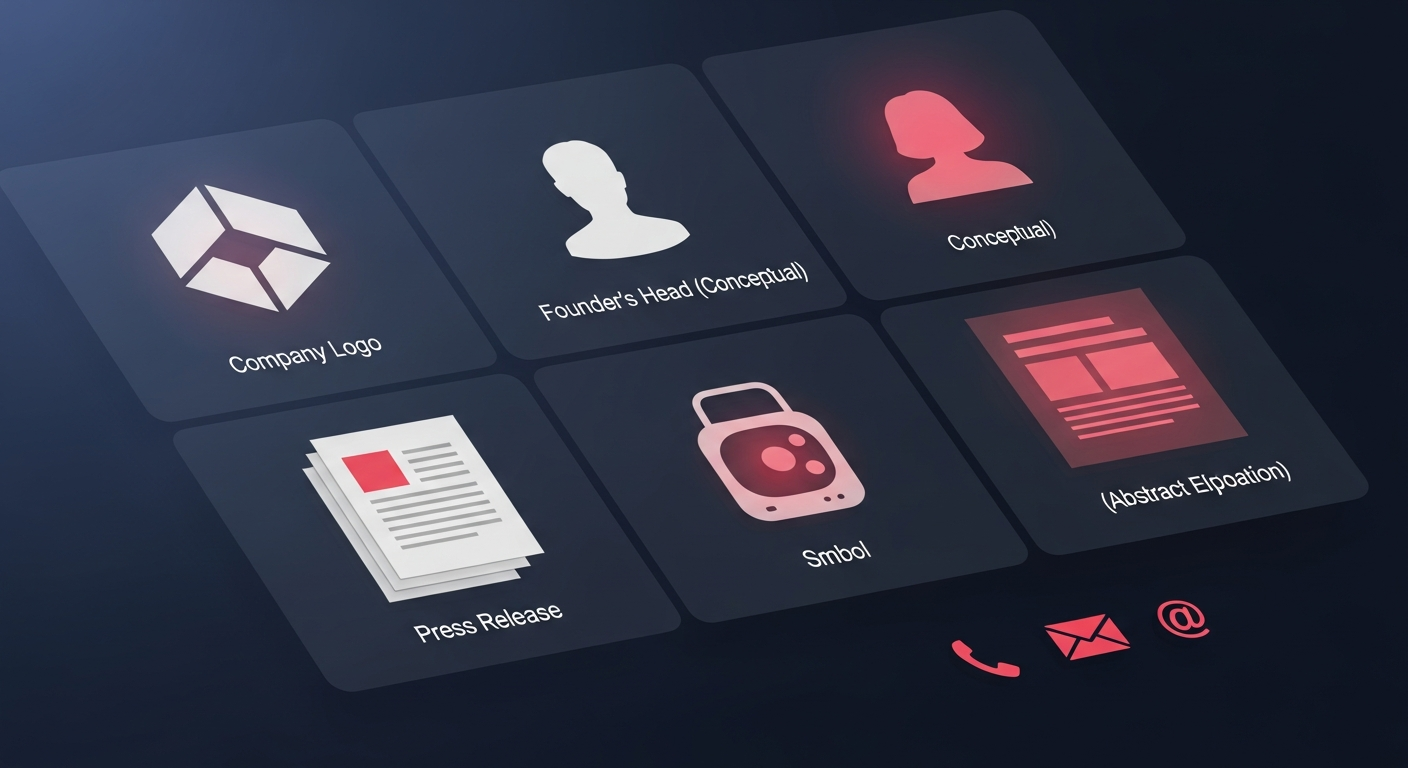
In a visually driven world, the quality and accessibility of your visual assets can make or break a journalist's interest. Beyond the written word, your press kit must provide compelling visuals and be easy to navigate.
High-Resolution Visuals: Logos, Product Shots, and Infographics
Professional, high-resolution visual assets are non-negotiable. Include your company logos in various formats (e.g., .PNG with transparent background, .JPG, .SVG) suitable for both print and digital use. Provide engaging product photos that clearly showcase your offerings in action, team photos that humanize your brand, and any relevant infographics that visually explain complex data or processes. These visuals should be high-quality, professionally shot, and reflect your brand's aesthetic. Low-resolution or amateur photos can undermine your credibility, regardless of how strong your written content is.
Video Assets: Bringing Your Story to Life
Short, impactful video clips can significantly enhance your press kit. These might include a brief founder interview explaining your vision, a concise product demo, or a testimonial from a satisfied customer. Video assets offer a dynamic way to bring your story to life, providing journalists with ready-to-use content for their own video segments or online articles. Ensure these videos are professionally produced, concise, and convey a clear message. A well-produced video can quickly communicate aspects of your brand that text alone cannot.
Contact Information & Distribution: Easy Access for Journalists
Even the best press kit is useless if journalists can't access it or know who to contact. Clearly state your media contact details, including a dedicated email address and phone number for press inquiries. Specify who is the primary point of contact for media. For distribution, establish an easily accessible, well-organized digital home for your press kit. This could be a dedicated "Press" or "Media Kit" page on your website, a shared cloud storage folder (like Google Drive or Dropbox) with a public link, or a specialized online press room platform. The goal is to make it as effortless as possible for journalists to find, download, and utilize your materials.
Leveraging Your Press Kit for Strategic Media Outreach
A comprehensive press kit is a powerful tool, but its true value is unlocked when integrated into a strategic media outreach plan. It’s not just a document; it’s a foundational element of your proactive PR efforts.
Beyond the Kit: Integrating with Your Pitch Strategy
Your press kit doesn't replace a personalized pitch; it enhances it. When you reach out to journalists, your pitch should be concise, compelling, and relevant to their beat. The press kit then serves as the rich background material, linked within your pitch or provided upon request. This seamless integration shows you're prepared and serious about telling your story. It allows your initial outreach to be focused and engaging, while ensuring all supplementary information is readily available for deeper exploration. This strategic approach ensures you’re not overwhelming journalists but rather empowering them with easy access to comprehensive details when they need them.
Knowing When to Share: Timing and Context
Understanding when to share your full press kit versus specific assets is crucial. For an initial pitch, a link to your press kit homepage is often sufficient, allowing the journalist to explore at their leisure. If a journalist expresses specific interest in, say, product images or a founder's quote, you can then selectively provide those individual assets. Timing also matters: ensure your kit is relevant to the story you're pitching. If you're announcing a new product, for instance, your kit should be updated to reflect this news prominently. Tailoring your approach demonstrates thoughtfulness and respect for the journalist's time and interests.
DIY PR: Empowering Your Outreach
For founders, consultants, and SMBs without a large PR budget, the press kit is a cornerstone of effective DIY PR. It equips you with the tools for independent media relations, allowing you to confidently engage with journalists. By having all your assets organized and ready, you can respond quickly to media opportunities, proactively pitch relevant stories, and manage your brand's narrative. This empowers you to strategize your media engagement for maximum credible visibility, ensuring your voice is heard without relying solely on external agencies. To help you structure your outreach, consider reviewing the PR checklist: what every SMB needs before reaching out to media. If you're weighing the benefits of managing your own PR, our guide on DIY PR vs. Agency: when to go it alone for media exposure offers further insights.
Maintaining and Updating Your Press Kit: Always Be Current
A press kit is not a static document you create once and forget. To remain effective, it must be a living, evolving resource that reflects the dynamic nature of your business and the media landscape.
The Dynamic Nature of Media Relations
Your company is constantly growing, evolving, and achieving new milestones. Your products change, your team expands, and your market position shifts. Media relations, by extension, is also dynamic. What was newsworthy last year might not be today, and new opportunities for coverage constantly emerge. Your press kit needs to keep pace with these changes to ensure that any information a journalist accesses is accurate, relevant, and reflects your current status.
Regular Reviews and Version Control
Schedule periodic reviews of your press kit – at least quarterly, or whenever significant company news occurs. During these reviews, check all facts, figures, links, and contact information for accuracy. Ensure all visual assets are up-to-date and reflect your current branding. If you're hosting your kit on a dedicated web page, make sure all embedded content is functioning correctly. If you're using cloud storage, implement clear version control to avoid confusion and ensure journalists always access the most current iteration. This meticulous approach prevents outdated information from circulating and protects your credibility.
Keeping Your Story Fresh and Relevant
Updating your press kit isn't just about correcting errors; it's about enriching your story. Incorporate new milestones, such as successful funding rounds, significant product launches, key hires, industry awards, or impactful partnerships. Refresh your founder bios with new achievements or insights. Add new case studies or testimonials that showcase recent successes. By consistently updating your kit, you ensure that your evolving brand story and expertise are always reflected, providing journalists with fresh angles and reasons to cover your venture. A current and comprehensive press kit is a testament to your professionalism and ongoing commitment to transparent and credible communication.
Frequently Asked Questions
What is the key difference between a press kit and a media kit?
While often used interchangeably, there's a subtle but important distinction. A press kit (or media kit in the context of PR) is primarily designed for journalists and media outlets. Its purpose is to provide them with all the necessary information, assets, and context to write a story about your company, product, or founder. It’s about earning media coverage through news value.
A media kit, particularly in the advertising or influencer marketing context, is typically used by publishers, bloggers, or influencers to provide potential advertisers or brands with information about their audience, reach, demographics, and advertising rates. Its purpose is to facilitate paid placements or partnerships. For founders seeking earned media, "press kit" is the more appropriate term for the collection of materials discussed in this article.
How often should a startup founder update their press kit?
A startup founder should aim to update their press kit at least quarterly, or more frequently whenever significant company news or milestones occur. This includes product launches, funding rounds, major partnerships, key hires, awards, significant data updates, or any shifts in your core messaging. Think of it as a living document that needs to reflect your current reality to remain useful and credible to journalists.
Is it better to host my press kit on my website or use a third-party service?
For most founders and small businesses, hosting your press kit on a dedicated "Press" or "Media" page on your own website is generally the best approach. This offers several advantages: full control over content and branding, direct traffic to your site, better SEO opportunities, and no reliance on external platforms that might change their terms or cease to exist. Ensure the page is easy to find, well-organized, and allows for direct downloads of assets.
Third-party services can be useful for supplementary distribution or if your website lacks the functionality for a robust press page, but they should ideally complement, not replace, your on-site presence. Always prioritize direct accessibility and control.
Do I need a separate press kit for different types of media or announcements?
While you don't necessarily need an entirely separate press kit for every single announcement, it's wise to have a core press kit that contains all evergreen information about your company. For specific announcements (e.g., a new product launch, a funding announcement, a major partnership), you should then create a supplemental media alert or press release that highlights the new information and links back to your core press kit for background details. This approach allows you to keep your core kit comprehensive while tailoring specific pitches and accompanying materials to be highly relevant to the immediate news, making it easier for journalists to understand the context and urgency of your story.