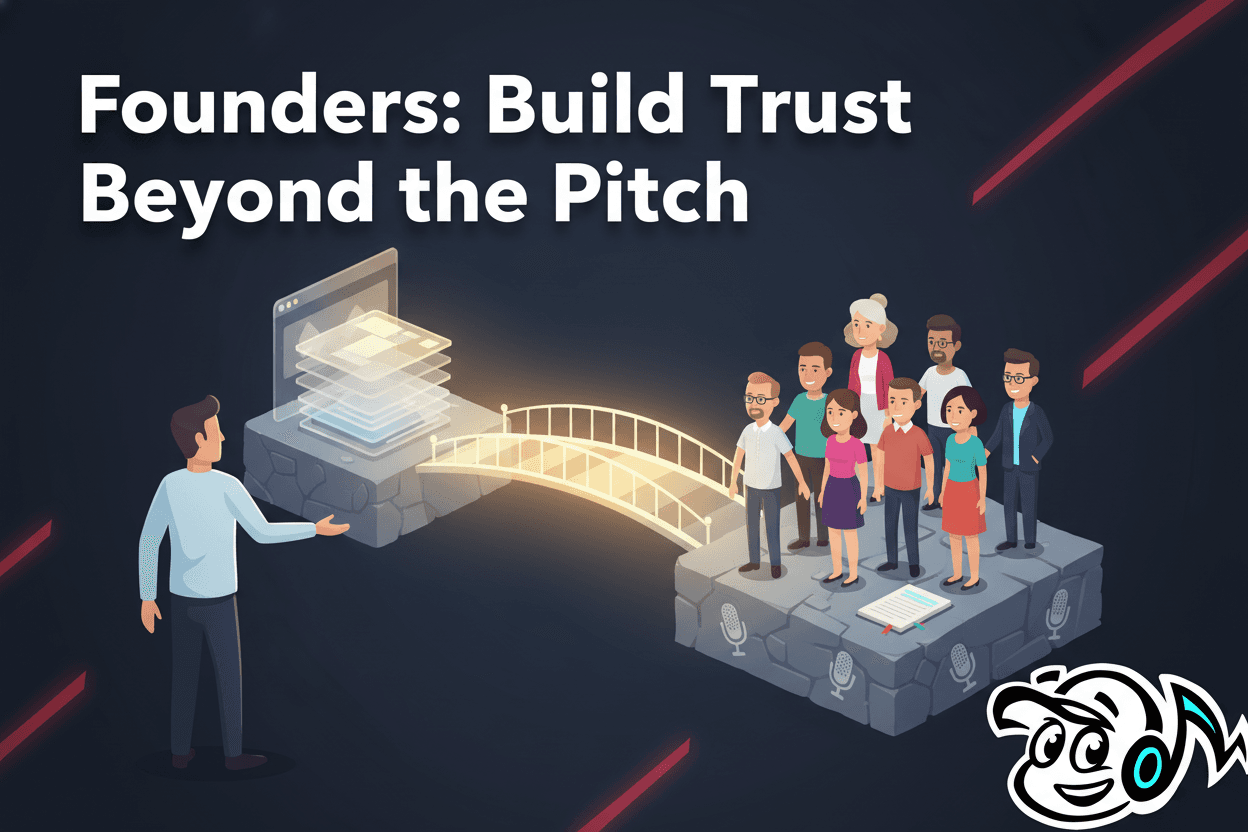
Introduction: Beyond the Pitch Deck – Why Trust Matters More Than Ever
For founders, the pitch deck is often seen as the ultimate tool for securing investment and validating an idea. It’s a snapshot of potential, a promise of future returns. But once the deck is closed and the initial buzz fades, what truly sustains a startup? The answer, increasingly, is trust. In today’s crowded market, where every startup vies for attention, genuine credibility and authentic connection set the enduring brands apart.
The Shifting Landscape of Startup Credibility
The days of dazzling investors with a slick presentation alone are evolving. Stakeholders—from early adopters to institutional investors, potential hires, and the broader public—are savvier. They look beyond the projections and buzzwords, seeking a deeper understanding of who is leading the company, what values drive it, and how it truly operates. A pitch deck is transactional; enduring trust is profoundly relational. It's built not just on what you promise, but on how consistently you deliver, how openly you communicate, and how genuinely you engage.
The Hidden Cost of Distrust for Founders
The absence of trust carries a significant, often hidden, cost. For founders, being the primary face and voice of your brand, any deficit in credibility can lead to stalled fundraising, customer churn, difficulty attracting top talent, and a general erosion of public goodwill. Conversely, a foundation of trust acts as a powerful accelerant, fostering loyalty, resilience, and advocacy across all stakeholders. It's the long-term value that underpins sustainable growth, making it an indispensable asset for any founder.
This post will explore how founders can move beyond transactional interactions to build deep, enduring trust. We’ll delve into interview-led storytelling as a core method for authentic communication, ethical PR habits, and strategic content repurposing to establish a legacy of credibility.
Foundational Pillars: Authenticity, Transparency, and Ethical Communication
Building trust isn't about grand gestures; it's about consistent, principled actions and communications. The bedrock of any founder trust strategy rests on authenticity, transparency, and unwavering ethical communication.
Defining Authentic Founder Communication
Authenticity means being genuine, not just aspirational, in all your communications. It’s about sharing your true motivations, your journey (warts and all), and the real mission behind your company. It’s not about perfection, but about relatability and honesty. Founders who embrace authentic founder communication don't just talk about their vision; they embody it. They speak from experience, share their unique perspective, and aren't afraid to show the human side of entrepreneurship.
The Power of Transparent Operations and Decision-Making
Transparency, within strategic reason, is a potent trust-builder. This doesn't mean revealing every internal email, but rather being open about your processes, challenges, and decision-making frameworks. For instance, sharing lessons learned from a setback, explaining a strategic pivot, or even acknowledging areas for improvement can significantly enhance your credibility for startups. It signals respect for your audience and demonstrates a commitment to integrity over facade. This approach helps establish and maintain customer trust, turning potential skeptics into loyal advocates. For practical advice on building this crucial customer trust, consider insights from sources like Mercury's guide on how to build customer trust as a startup.
Ethical Storytelling: What to Avoid for Long-Term Credibility
Ethical storytelling is non-negotiable for long-term credibility. This means avoiding hype, exaggeration, and misleading claims at all costs. While the startup world often encourages bold visions, there’s a critical line between aspirational messaging and making promises you can’t keep. Dishonesty, even in subtle forms, can quickly dismantle years of trust-building. Always align your actions with your words. If you say your product will do X, ensure it does. If you promise a certain level of support, deliver it. This alignment forms a solid ethical framework that underpins all effective founder trust strategies. For more actionable strategies on how to establish this from the ground up, explore our guide on how to build founder credibility from scratch.
Harnessing Your Voice: Interview-Led Storytelling for Deep Connection
Your unique voice as a founder is your most powerful asset for building trust. It's the human element that connects with people on an emotional level, far beyond what a sterile press release or marketing brochure can achieve. Interview-led storytelling is the most effective way to capture and amplify this voice authentically.
The Unique Power of Your Startup's Origin Story
Every startup has an origin story, and yours is a powerful trust-builder. It’s the narrative of why you started, the problem you set out to solve, the challenges you faced, and the vision that keeps you going. This personal journey is relatable and inspiring. It allows stakeholders to understand your motivations, connect with your mission, and see the passion behind your product or service. Sharing this story authentically humanizes your brand and builds a strong emotional bond. Learn how to craft yours effectively with our guide on the complete guide to telling your startup's origin story.
From Internal Knowledge to External Narratives: Unlocking Insights
Founders are repositories of deep insights about their industry, their customers, and their vision. However, extracting these insights and shaping them into compelling external narratives can be challenging. Structured interviews provide a unique advantage over simply writing drafts. The conversational nature of an interview encourages spontaneous thought, allows for deeper exploration of ideas, and often unearths authentic perspectives that might be missed in a solo writing session. It's a dynamic process that helps articulate your unique viewpoint and expertise, contributing significantly to your thought leadership for founders.
Capturing Your Authentic Voice with AI-Powered Interview Tools
This is where modern tools like ToniPR can play a transformative role. AI-powered platforms are designed to streamline the process of moving from raw interview content to compelling, press-ready narratives. Imagine being able to answer PR-style questions in your own words, naturally, without the pressure of crafting perfect prose on the spot. ToniPR captures your authentic voice and then helps transform those spoken insights into a variety of outputs: precise quotes for media, engaging LinkedIn posts, comprehensive articles, and professional bios. This not only saves time but ensures that your communication remains consistent, credible, and truly reflective of who you are and what your company stands for. You can leverage AI-powered PR interviews with ToniPR to unlock and amplify your story.
Strategic Repurposing: Consistent Presence, Enduring Trust

Building trust isn't a one-time event; it's an ongoing commitment that requires consistent, credible communication. Strategic content repurposing is key to achieving this without overwhelming your limited resources.
Maximizing Your Message: The Repurposing Advantage
Once you've captured your authentic voice through an interview, the real magic begins with repurposing. A single interview can be transformed into a multitude of valuable content pieces. Imagine extracting key soundbites for social media, expanding on an idea for a blog post, synthesizing a series of answers into an article for an industry publication, or even turning a response into a compelling email newsletter segment. This maximizes the reach and impact of your core message, ensuring your founder trust strategies are consistently reinforced across various channels.
Building a Cohesive Content Ecosystem Across Platforms
Maintaining a consistent, credible presence across your blog, social media, and earned media is vital. Each platform serves a different purpose, but your core message and authentic voice should remain unified. A cohesive content ecosystem means that whether someone encounters your brand on LinkedIn, reads an article you contributed to, or visits your company blog, they receive a consistent narrative that reinforces your values and expertise. This continuous, aligned communication builds familiarity and solidifies trust over time, ensuring your audience understands who you are and what you stand for.
The Critical Role of LinkedIn for Founder Trust and Thought Leadership
For founders, LinkedIn is arguably the most critical platform for building trust and establishing thought leadership. It's a professional network where your insights, experiences, and company updates are highly valued. Regular, insightful contributions—derived from your interview-led content—can position you as an expert in your field. Sharing your perspectives on industry trends, lessons learned, and even challenges overcome contributes to authentic founder communication and elevates your personal brand. This consistent presence fosters a perception of expertise and reliability, attracting not just customers but also potential investors and top talent. Understanding the strategic timeline for media engagement and content rollout is also crucial for maximizing your impact. For more insights into this, check out our guide on when founders should start pitching media.
Beyond digital platforms, effective public speaking can significantly enhance your consistent message. Whether it's a webinar, a conference panel, or a local meetup, presenting your ideas clearly and confidently further solidifies your credibility. Be mindful of common pitfalls and aim to deliver impactful, memorable presentations. Our article on common pitfalls for first-time founders in public speaking offers valuable guidance.
Engaging Your Ecosystem: Building Trust with Key Stakeholders
Trust isn't just about what you say; it's about how you interact with everyone who touches your business. Building trust requires active engagement with your entire ecosystem: customers, investors, and the broader public.
Customer Trust: Beyond the Transaction
For customers, trust extends far beyond the initial purchase. It's built through active listening, responsive support, and consistently delivering on promises. Integrate customer feedback into your product development and clearly communicate how their input shapes your offerings. Proactively address concerns and celebrate successes together. When customers feel heard and valued, they become your most ardent advocates, spreading positive word-of-mouth that no marketing campaign can buy. This is a continuous process of proving your reliability and commitment.
Investor Relations: Transparency and Vision Sharing
With investors, transparency is paramount. Regular, honest communication about progress, challenges, and future vision builds confidence. Don't shy away from sharing setbacks; instead, articulate what you've learned and how you plan to adapt. Investors appreciate founders who are realistic, resilient, and clear about their strategic direction. Presenting a coherent narrative that aligns with your actions reinforces your credibility and strengthens your long-term relationships, making fundraising smoother and partnerships more robust.
Public Perception: Cultivating a Positive Long-Term View
Your public perception is the sum of all interactions and narratives surrounding your brand. Cultivating a positive long-term view involves proactive engagement with the public and fostering a community around your brand. This means being accessible, responsive, and consistent in your messaging. Participate in industry discussions, offer insights, and demonstrate your company’s commitment to values beyond profit. Over time, these consistent, credible interactions build a reputation that precedes you, creating a powerful halo effect that benefits all aspects of your business. This proactive approach to PR for founders helps manage narratives and ensures your story is told accurately and positively.
The Founder's Long Game: Cultivating a Legacy of Credibility
The journey of building a startup is often characterized by rapid innovation and immediate challenges. However, the most successful founders understand that true impact and enduring success come from playing the long game – one where trust and credibility are the ultimate currency.
From Transactional Relationships to Enduring Loyalty
Moving beyond transactional relationships to enduring loyalty is the hallmark of a founder who has mastered the art of trust-building. It means that your customers don't just buy your product; they believe in your mission. Your investors don't just fund your vision; they become strategic partners. Your team members don't just work for you; they are committed to a shared purpose. This transformation from mere engagement to deep loyalty is a direct result of consistent, authentic, and ethical communication practices.
Trust as Your Ultimate Competitive Advantage
In a world saturated with information and choices, trust emerges as your ultimate competitive advantage. High founder trust translates into tangible benefits:
- Easier Fundraising: Investors are more likely to back founders with a proven track record of integrity and transparent communication.
- Stronger Customer Loyalty: Loyal customers not only return but become powerful advocates, driving organic growth and reducing marketing costs.
- Attracting Top Talent: The best minds want to work for leaders they respect and believe in, fostering a positive company culture and reducing attrition.
- Resilience in Crisis: When challenges inevitably arise, a reservoir of trust allows for greater understanding and forgiveness from stakeholders.
The Iterative Process of Trust Building: It's an Ongoing Commitment
It's crucial to understand that trust is built over time, not overnight. It's an iterative process, requiring continuous effort, self-awareness, and a willingness to adapt. Every interaction, every message, and every decision contributes to or detracts from your credibility.
By consistently applying practical, ethical PR habits—like interview-led storytelling, transparent communication, and strategic content repurposing—founders can cultivate a legacy of lasting credibility. Focus on long-term impact over short-term gains, and remember that your reputation is your most valuable asset. In the end, founders who prioritize trust don't just build successful companies; they build enduring institutions that leave a positive mark on their industry and beyond.
Frequently Asked Questions
How can a founder build trust without a large PR budget?
Building trust doesn't require a large PR budget; it requires strategic, authentic effort. Founders can leverage their own voice and story through interview-led storytelling, which is highly cost-effective. Focus on creating high-quality content derived from your insights and repurpose it across your owned channels like LinkedIn, your company blog, and email newsletters. Engage directly with your audience on social media, participate in online communities, and seek opportunities for guest posts or interviews with smaller, niche publications relevant to your industry. Tools like ToniPR can help you generate press-ready content efficiently from your own interviews, significantly reducing the need for extensive PR agency fees. Consistency, transparency, and genuine engagement are far more impactful than a massive budget.
What's the difference between transparency and oversharing for a founder?
Transparency involves being open and honest about your company's journey, decisions, and challenges, within strategic reason. It builds trust by showing vulnerability and integrity. For example, sharing lessons learned from a product setback or explaining a strategic pivot is transparent. Oversharing, on the other hand, involves disclosing sensitive internal information, personal details that don't add value, or proprietary data that could harm your competitive advantage or create unnecessary anxiety among stakeholders. The key is to provide enough context and insight to build trust without compromising your business or privacy. Always ask: "Does this information serve to build trust and understanding, or is it merely TMI (too much information)?"
How often should founders communicate with their audience to build trust?
The frequency of communication depends on the platform and context, but consistency is more important than sheer volume. For social media platforms like LinkedIn, aim for regular, insightful posts a few times a week. For your company blog or newsletter, a weekly or bi-weekly schedule is often effective. For media engagement, it might be less frequent, tied to significant milestones or industry trends. The goal is to maintain a steady, reliable presence that keeps your audience informed and engaged without overwhelming them. Err on the side of quality over quantity; a few well-crafted, valuable communications are far better than daily, superficial updates. Regularly sharing updates, insights, and your perspective helps reinforce your credibility and keeps your brand top-of-mind.
Can AI tools like ToniPR really help build founder trust and credibility?
Yes, AI tools like ToniPR can significantly help founders build trust and credibility, not by faking authenticity, but by amplifying it. ToniPR facilitates interview-led storytelling, capturing your authentic voice and turning your spoken words into structured, press-ready content. This process ensures your unique insights and personality shine through, creating content that is genuinely yours. By streamlining content creation (quotes, articles, social posts), ToniPR allows founders to maintain a consistent, high-quality presence across various platforms, which is crucial for building and sustaining trust. It enables you to tell your story effectively and efficiently, positioning you as a credible thought leader without requiring extensive writing or PR expertise. The AI acts as a powerful assistant, helping you articulate and disseminate your truthful narrative, thereby enhancing your overall credibility.