Introduction: Navigating the Marketing Maze as an SMB
As a solo consultant, small business owner, startup founder, or agency lead, you're constantly bombarded with marketing advice. From the latest social media trends to complex SEO strategies, the sheer volume can be overwhelming. In this bustling landscape, it's easy to fall prey to widespread small business marketing myths that promise quick fixes or suggest a "one-size-fits-all" approach. These misconceptions often lead to wasted time, misdirected effort, and precious resources poured into strategies that simply don't deliver credible, sustainable results.
Why Marketing Myths Persist for Founders and Consultants
The allure of overnight success stories and the pressure to keep up with competitors often fuel the spread of marketing myths. Founders, in particular, are juggling countless responsibilities, making them susceptible to advice that seems simple or universally applicable. However, what works for a venture-backed tech giant rarely translates directly to the nuanced needs of a bootstrapped startup or a boutique consultancy. Many myths arise from a misunderstanding of what truly drives long-term visibility and genuine connection with an audience.
The ToniPR Approach to Credible, Interview-Led Visibility
At ToniPR, we believe that effective marketing for small businesses isn't about chasing fads or making grandiose claims. It's about authentic storytelling, strategic communication, and building genuine credibility. Our platform empowers founders and consultants to transform their expertise and experiences into press-ready content through intuitive, AI-powered interviews. This interview-led approach ensures your unique voice and insights are at the forefront, creating content that resonates deeply and builds trust. This post aims to debunk some of the most common small business marketing myths, offering practical, credible strategies that align with the ToniPR philosophy.
Myth 1: Marketing Requires a Massive Budget
One of the most persistent marketing mistakes SMBs make is believing that effective marketing is exclusively the domain of companies with deep pockets. This myth can paralyze small businesses, preventing them from even starting their marketing efforts. The reality is that while large budgets can amplify reach, they don't guarantee impact or credibility. Smart spending, strategic allocation, and a focus on measurable returns on investment (ROI) are far more critical than the size of your budget.
Smart Spending Over Big Spending: Focus on ROI
For founders and consultants, every dollar spent on marketing must count. Instead of broad-brush advertising campaigns, consider targeted initiatives that speak directly to your ideal customer. This might involve investing in high-quality content that addresses specific pain points, engaging in niche community building, or optimizing your website for organic search. The goal isn't to spend more, but to spend smarter, identifying activities that yield the highest impact for your unique business goals.
Leveraging Existing Assets and Organic Reach
Many small businesses overlook the marketing power of their existing assets. Your expertise, your customer testimonials, your unique business journey — these are invaluable resources. Building strong relationships with existing clients can lead to powerful word-of-mouth referrals, a highly effective and low-cost marketing channel. Cultivating organic reach through valuable content on platforms like LinkedIn, your blog, or industry forums can establish your authority without requiring significant ad spend. This focus on owned media and earned attention is key to effective small business marketing.
The Power of Interview-Led Content for Cost-Effective Assets
This is where tools like ToniPR shine for founders seeking credible visibility without a full PR team. By guiding you through PR-style interviews, ToniPR helps you articulate your insights and experiences. From a single interview, the platform can generate a suite of press-ready outputs: compelling quotes, engaging LinkedIn posts, insightful articles, and updated bios. This process maximizes the value of your time and knowledge, turning your authentic voice into a rich library of content assets. It's a highly cost-effective way to produce professional-grade marketing materials that resonate, allowing you to bypass hefty agency fees while maintaining control over your narrative.
Myth 2: You Must Be Everywhere, All the Time
Another common marketing mistake SMBs make is feeling pressured to maintain an active presence on every single social media platform and emerging channel. This often leads to diluted efforts, inconsistent messaging, and burnout. The truth is, a scattered presence across multiple platforms rarely yields significant results; instead, it often spreads resources too thin, diminishing the quality and impact of your engagement.
Quality Over Quantity: Strategic Channel Selection
Instead of trying to be omnipresent, a more effective small business marketing strategy involves identifying where your target audience truly spends their time and focusing your efforts there. Research your ideal customer's online habits. Are they primarily on LinkedIn for professional networking? Do they engage with industry-specific forums? Are they consuming long-form content on blogs or newsletters? Once you understand their preferred channels, you can invest your time and energy into creating high-quality, relevant content for those specific platforms.
Building an Engaged Niche (Especially on LinkedIn)
For solo consultants, startup founders, and agency leads, LinkedIn often stands out as a critical platform. It's a professional network where thought leadership is valued, and meaningful connections can be forged. Building an engaged niche on LinkedIn means consistently sharing valuable insights, participating in relevant discussions, and connecting with peers and potential clients authentically. This focused approach allows you to cultivate a strong, credible presence where it matters most, rather than superficially engaging across too many platforms. Our blog post on building an engaged audience beyond social media platforms offers further insights into this strategy.
The Credibility Advantage of Focused Presence
A focused presence on select, high-impact channels communicates competence and dedication. When potential clients or partners encounter your brand, they see a consistent, well-maintained hub of valuable information, not a neglected profile on an irrelevant platform. This strategic positioning builds trust and reinforces your expertise, leading to deeper engagement and better conversion rates than a scattered, superficial approach. Understanding your target audience and where to reach them effectively is paramount to positioning your small business for success.
Myth 3: Marketing is About Salesy Pitches and Hype
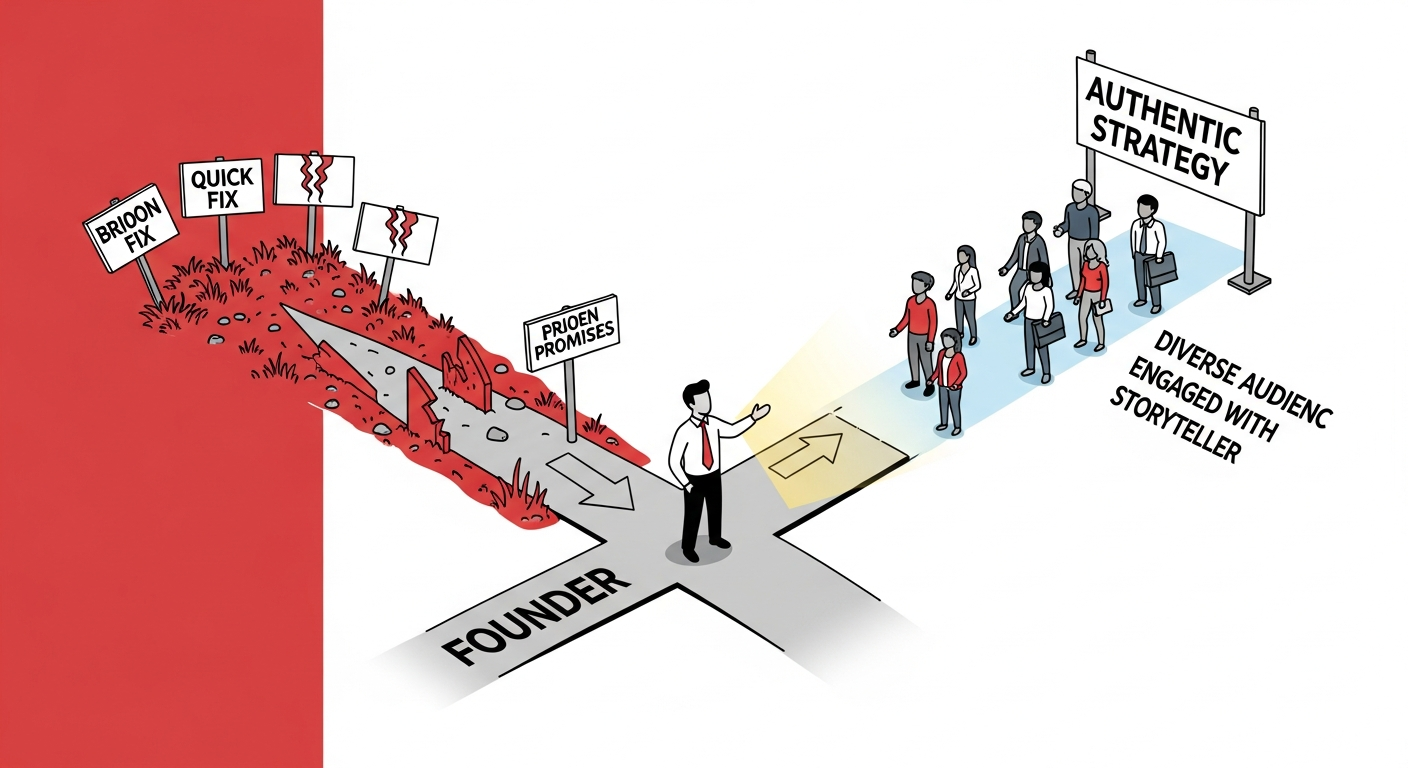
Many founders and consultants mistakenly believe that marketing's primary role is to craft aggressive, sales-driven pitches or to generate hype through exaggerated claims. This outdated perspective often stems from a traditional advertising mindset, where volume and persuasive language were king. However, in today's digital landscape, consumers are more informed and discerning than ever. They value authenticity, transparency, and genuine connection over overt sales tactics.
The Shift to Authenticity and Trust in Modern Marketing
Modern marketing is undergoing a fundamental shift away from overt selling towards building relationships and earning trust. Consumers are wary of brands that only talk about themselves or make unrealistic promises. Instead, they seek out businesses that demonstrate expertise, share valuable insights, and genuinely understand their needs. This shift means that your marketing efforts should prioritize demonstrating your value, sharing your perspective, and fostering a sense of community around your brand.
Storytelling as Your Core Strategy for Connection
Authentic storytelling is perhaps the most powerful tool in modern marketing. It allows founders to share their journey, the challenges they've overcome, and the passion that drives their solutions. When you tell your story — not just what you sell, but why you do it and how it genuinely helps — you create an emotional connection with your audience. This connection builds trust and loyalty far more effectively than any sales pitch. Storytelling humanizes your brand, making it relatable and memorable.
Why Credibility Trumps Hype: Ethical Marketing Principles
Credibility is the bedrock of sustainable business growth. Exaggerated claims and hype might generate short-term attention, but they inevitably erode trust when promises aren't met. Ethical marketing principles dictate honesty, transparency, and a commitment to delivering genuine value. For founders and consultants, this means communicating your strengths clearly, acknowledging limitations where appropriate, and letting your expertise and customer success speak for themselves. Tools like ToniPR specifically help founders articulate their unique journey, challenges, and solutions in a credible, non-hypey way, directly addressing the need for authentic PR. As Forbes highlights, "PR is an invaluable tool for showcasing your business's authenticity and building trust with your audience." You can read more about this in 5 Ways To Use PR To Showcase Your Business's Authenticity.
Myth 4: Content Creation is a One-Off, Exhausting Task
Many small business owners and busy founders view content creation as a series of isolated, time-consuming projects. They might write a blog post, then move on to the next topic, feeling the constant pressure to generate fresh, original material from scratch. This perspective is a significant marketing mistake SMBs often make, leading to content fatigue and missed opportunities to maximize the value of their efforts.
The Art of Content Repurposing and Maximizing Value
The truth is, effective content creation for small businesses is less about constant reinvention and more about strategic repurposing. The art of content repurposing involves taking one core piece of content and transforming it into multiple formats to reach different audiences across various platforms. This approach significantly reduces the perceived burden of content creation and multiplies the impact of your existing insights. It's about working smarter, not harder, to ensure your valuable messages get the exposure they deserve.
Transforming Interview Insights into a Content Ecosystem
Consider the power of an interview-led approach. A single, in-depth conversation with a tool like ToniPR can become the wellspring for an entire content ecosystem. From that foundational interview, you can extract compelling quotes for social media, synthesize key themes into a LinkedIn article, develop a detailed blog post, create a short video script, update your professional bio, or even craft talking points for a podcast guest appearance. Each output serves a different purpose and reaches a different segment of your audience, all while maintaining a consistent voice and message. This strategy is central to ToniPR's offering, enabling founders to generate a wide array of press-ready content from their insights.
Consistency Builds Authority, Not Just Volume
Repurposing content allows you to maintain a consistent presence across your chosen channels without the constant grind of starting from zero. This consistency is crucial for building authority and establishing yourself as a thought leader. When your audience regularly encounters your valuable insights, presented in various accessible formats, your credibility grows. It's not about producing an overwhelming volume of new content, but rather about consistently delivering high-quality, valuable information that reinforces your expertise, ensuring your brand stays top-of-mind and builds lasting trust.
Myth 5: PR is Only for Crises or Major Announcements
Public Relations (PR) is often misunderstood by small businesses, founders, and consultants. Many believe PR is a reactive tool, something to be deployed only during a crisis, for a major product launch, or to announce significant funding rounds. This narrow view of PR is a significant PR for founders misconception that prevents them from leveraging its full potential as a proactive, ongoing strategy for growth and visibility.
Proactive PR for Ongoing Visibility and Thought Leadership
Effective PR is a continuous process of building and maintaining a positive public image, establishing expertise, and nurturing relationships. It's about consistently positioning your brand and its leaders as valuable voices within your industry. Proactive PR involves regularly sharing insights, commenting on industry trends, and offering valuable perspectives to relevant media and your audience. This consistent effort ensures ongoing visibility, keeps your brand relevant, and builds long-term equity, far beyond the scope of merely reacting to events.
Building Your Founder Story for Consistent Media Opportunities
Every founder has a unique story — their journey, their vision, the problems they solve. This "founder story" is a powerful asset for PR. By articulating your narrative, you create opportunities for consistent media engagement. Journalists and industry publications are always looking for compelling human interest stories, expert commentary, and innovative approaches. With an interview-led platform like ToniPR, founders can easily capture and refine their stories and perspectives into press-ready formats, making it easier to pitch to media or share as thought leadership content. This not only secures media placements but also establishes you as an authority in your field, unlocking further opportunities for speaking engagements, partnerships, and more.
Ethical PR Habits for Sustainable Brand Growth
The foundation of effective, ongoing PR is built on ethical practices. This means being transparent, providing genuine value, and building authentic relationships with journalists, influencers, and your audience. It's about sharing truthful information, delivering on your promises, and fostering credibility over short-term gains. Ethical PR habits ensure that your brand's reputation is built on solid ground, leading to sustainable growth and enduring trust. By consistently offering valuable insights and maintaining integrity, small businesses can achieve lasting visibility and respect in their markets, distinguishing themselves from competitors who might rely on hype or aggressive tactics.
Frequently Asked Questions
How can small businesses market effectively with a limited budget?
Effective small business marketing with a limited budget centers on strategic allocation and maximizing existing assets. Focus on high-impact activities like building a strong online presence on relevant platforms (e.g., LinkedIn for B2B), leveraging customer testimonials, and generating organic content that showcases your expertise. Tools like ToniPR can help you create professional, press-ready content from your existing knowledge, significantly reducing the need for expensive agency fees. Prioritize building relationships, providing genuine value, and repurposing content to extend its reach without increasing costs. For more detailed strategies, refer to our post on Affordable Marketing Strategies for Small Businesses.
Is social media the only way for small businesses to gain visibility?
No, social media is certainly not the only way for small businesses to gain visibility, and it's often a mistake to focus solely on it. While social media platforms can be valuable, especially for niche communities, visibility can also be achieved through a diverse range of channels. These include professional networking, email marketing, engaging in industry forums, guest blogging, local community involvement, and traditional media outreach. The key is to identify where your target audience spends their time and concentrate your efforts there, prioritizing quality engagement over ubiquitous presence. Our article Beyond Social Media: How to Build an Engaged Audience for Your Brand provides alternative strategies.
What is interview-led content and how does it help build credibility?
Interview-led content is a method of generating marketing and PR materials by capturing a founder's or expert's insights through a structured interview process. Instead of starting from a blank page, the content is derived from authentic conversations about their experiences, expertise, and perspectives. This approach, like that offered by ToniPR, helps build credibility because it ensures the content comes directly from the source, in their own voice. It's genuine, nuanced, and rich with firsthand knowledge, making it more trustworthy and relatable to audiences than generic marketing copy or hype. This authenticity is crucial for fostering trust and establishing thought leadership.
How important is content repurposing for busy founders and consultants?
Content repurposing is incredibly important for busy founders and consultants, as it's an effective small business marketing strategy for maximizing impact with limited time and resources. Instead of creating new content from scratch for every platform, repurposing allows you to transform one core piece of content (like an interview transcript) into multiple formats — blog posts, social media updates, newsletter snippets, video scripts, and more. This strategy ensures consistent brand presence, reinforces your message across different channels, and significantly reduces the time and effort required for content creation, making your marketing efforts far more efficient and sustainable.