In today's crowded digital landscape, a podcast stands out as a powerful tool for solo consultants, small business owners, startup founders, and creators seeking to establish credibility, share expertise, and build a dedicated audience. It's more than just an audio file; it's a platform for interview-led storytelling that can elevate your professional presence and generate a wealth of repurposable content. But how do you cut through the noise and foster genuine podcast audience growth?
This guide offers practical, ethical strategies designed to help you not only launch a quality podcast but also expand its reach, engage listeners, and convert your audio insights into lasting professional visibility. We'll focus on building a strong foundation, smart promotion, content repurposing, and community building—all without relying on hype or unrealistic promises.
Laying the Foundation: High-Quality, Credible Content
Before you can grow your podcast audience, you need a podcast worth growing. This means focusing on content that is not only informative but also authentic and professionally presented. Your podcast is a direct reflection of your brand and expertise.
The Value of Interview-Led Storytelling
One of the most effective ways to create compelling and credible podcast content is through interview-led storytelling. By inviting experts, industry leaders, or successful peers to share their insights and experiences, you provide immense value to your listeners. This approach does more than just fill airtime; it builds trust, offers diverse perspectives, and positions you as a connector and curator of valuable knowledge.
Structured interviews allow you to delve deep into specific topics, extracting nuanced information that resonates with your target audience. Moreover, these conversations are a goldmine for generating press-ready outputs. Platforms like ToniPR specialize in helping founders and creators transform these rich, authentic dialogues into quotes, articles, and social media posts, maximizing the return on your content creation efforts.
Production Quality for Trust and Professionalism
You don't need a high-end studio, but you do need to prioritize clear audio and professional editing. Poor sound quality is one of the quickest ways to lose a listener. Invest in a decent microphone, learn basic audio editing, or outsource it. Consistency in your intro/outro, music, and overall sound branding contributes significantly to a professional image.
Listeners associate good production quality with credibility and respect for their time. It signals that you take your podcast—and your message—seriously. This attention to detail builds a foundational layer of trust that encourages new listeners to stick around.
Defining Your Niche and Authentic Voice
In a world saturated with content, clarity is key. Clearly articulate your podcast's purpose, what unique perspective you bring, and who your ideal listener is. Trying to appeal to everyone often means appealing to no one. A well-defined niche allows you to create highly relevant content that deeply resonates with a specific group, making your podcast indispensable to them.
Your authentic voice is what sets you apart. Don't try to imitate others; let your personality, experiences, and passion shine through. This authenticity fosters a stronger connection with your audience and builds a more engaged community around your content. It’s about being real, not just relatable.
Strategic Distribution: Getting Your Podcast Discovered
Creating great content is only half the battle; the other half is ensuring it reaches your target audience. Strategic distribution is essential for podcast audience growth.
Essential Podcast Directories and Platforms
To maximize your reach, your podcast needs to be available wherever your potential listeners are. Ensure your show is listed on all major podcast directories, including Apple Podcasts, Spotify, Google Podcasts, Stitcher, Amazon Music, and Overcast. Most podcast hosting providers make this process straightforward, automatically distributing your RSS feed to these platforms.
The wider your distribution, the easier it is for new listeners to discover your content through their preferred apps and platforms. Think of it as opening multiple doors to your show.
Optimizing Your Show Notes, Titles, and Metadata
Just like with website content, podcasts benefit from search engine optimization (SEO). Use relevant keywords in your podcast titles, episode titles, and show notes. These elements are what podcast directories use to categorize and recommend your show.
Your show notes are a powerful tool: they should provide a concise summary of the episode, list key takeaways, and include relevant links (to guests, resources, or your website). A compelling title encourages clicks, and detailed show notes offer value beyond the audio, helping listeners decide if an episode is for them and improving search visibility.
Initial Promotion Tactics for New Episodes
When a new episode drops, don't just hope people find it. Actively promote it! Share new episodes across your existing professional networks. This includes your LinkedIn profile, X (formerly Twitter), and any other social media platforms where your audience congregates. Send out an email to your subscriber list, highlighting key segments or compelling quotes from the episode. Leverage personal connections and ask friends or colleagues to share if they find the content valuable. The initial push can significantly impact an episode's early performance and visibility within directory algorithms.
The Power of Repurposing: Maximizing Content Across Platforms
One of the smartest strategies for solo professionals and small businesses is to make every piece of content work harder. Your podcast episodes are not just for listening; they are rich sources for a multitude of other content formats, driving significant podcast audience growth indirectly.
From Audio to Text: Transcripts, Blog Posts, and Quotes
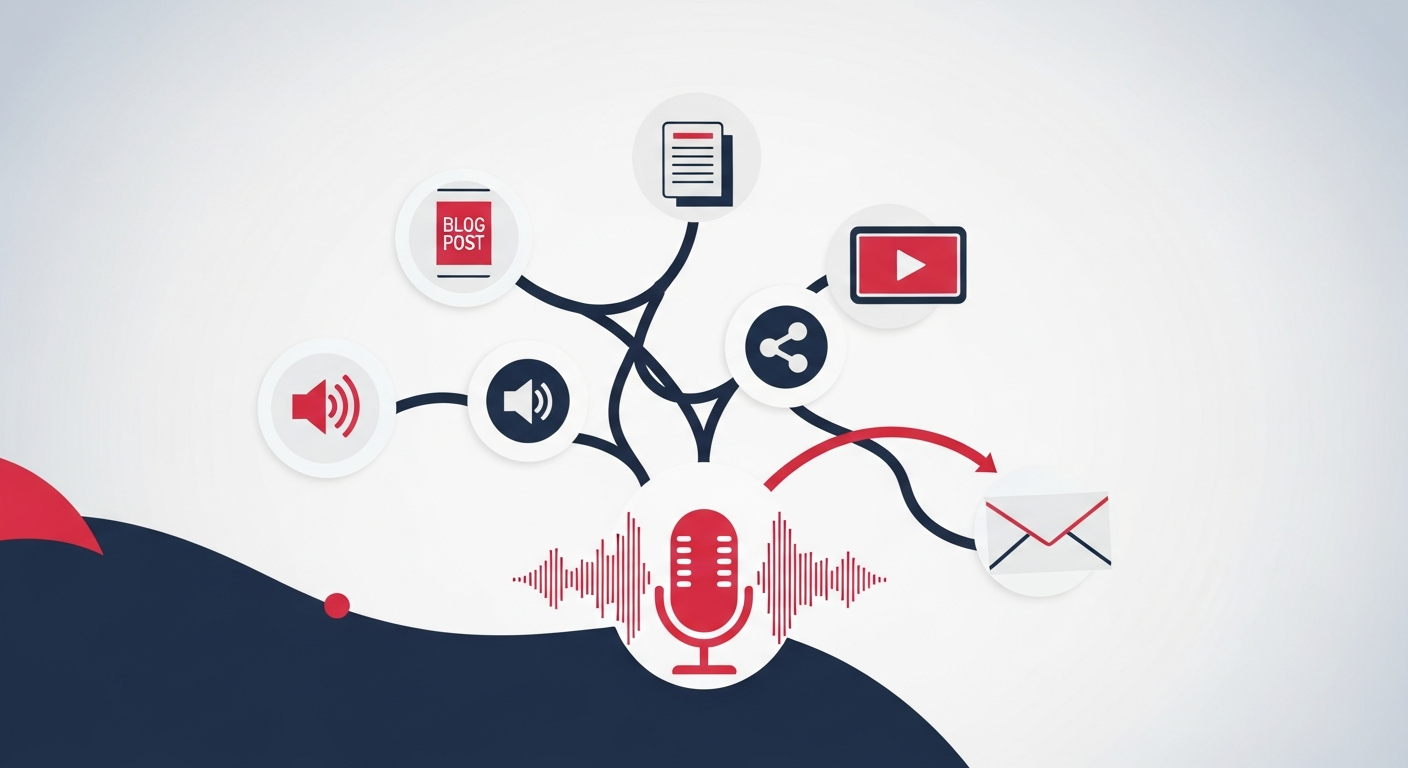
A single podcast interview can be transformed into a wealth of text-based content. Transcribe your episodes—either manually, with AI tools, or through your podcast host. These transcripts can then be:
- Used as full blog posts on your website, improving your SEO and providing an alternative consumption method.
- Edited down into concise articles that delve deeper into specific topics discussed.
- Extracted for powerful, shareable quotes that highlight key insights from your guests or your own expertise.
This approach significantly expands your content footprint and appeals to different audience preferences. For instance, how to repurpose content effectively for maximum reach is a strategy that ToniPR champions, helping you turn spoken words into impactful written content, including LinkedIn posts, articles, and even bios. This means one interview can fuel your content calendar for weeks.
Visualizing Your Insights: Social Media Clips and Graphics
Beyond text, your podcast offers rich visual content opportunities. Short video snippets or audiograms (waveform animations over a static image or video clip) are perfect for platforms like Instagram, X, Facebook, and TikTok. These bite-sized pieces can hook potential listeners and drive them to the full episode.
Consider creating graphics with compelling quotes, statistics, or key takeaways from your episodes. These visual assets are highly shareable and can pique curiosity, encouraging your audience to listen and learn more.
LinkedIn as a Credibility Hub for Podcast Content
For consultants, founders, and professionals, LinkedIn is an invaluable platform for distributing repurposed podcast content. It's where your professional audience spends time, and where credibility is paramount. Share your full blog posts derived from episodes, post engaging video clips, or craft text-based updates that summarize key insights with a call to action to listen to the full episode.
LinkedIn allows you to position yourself as a thought leader and subject matter expert. By consistently sharing valuable content from your podcast, you reinforce your professional brand and build a reputation that can lead to new opportunities and further AI PR interviews.
Cultivating Community: Engaging Your Listeners for Loyalty
Podcast audience growth isn't just about attracting new listeners; it's about retaining them and turning them into loyal advocates. Community building is key to long-term success.
Encouraging Feedback, Reviews, and Subscriptions
Don't be shy about asking your listeners for support. At the end of each episode, gently remind them to rate, review, and subscribe on their preferred podcast platform. These actions are crucial:
- Ratings and Reviews: They boost your visibility in podcast directories, signaling to algorithms that your show is engaging and valuable. They also provide social proof for new listeners.
- Subscriptions: They ensure listeners automatically receive new episodes, reducing churn and building consistency in your download numbers.
Make it easy for listeners to leave reviews by guiding them on how to do so quickly. Acknowledge and appreciate every review you receive, demonstrating that you value their input.
Interactive Segments and Listener Q&A
Make your listeners feel like part of the conversation. Dedicate segments in your episodes to answering listener questions, discussing their feedback, or even featuring their comments. You can collect questions through social media polls, email, or a dedicated submission form on your website.
This interactivity fosters a sense of ownership and personal connection, turning passive listeners into active participants. It also provides valuable insights into what your audience wants to hear more about, guiding your future content strategy.
Building a Dedicated Online Space for Your Audience
Consider creating a dedicated online space for your podcast community. This could be a private Facebook group, a Slack channel, a Discord server, or even a specialized section on your website. This provides a platform for listeners to connect with each other, discuss episodes, and engage directly with you and your guests.
A community hub strengthens loyalty and creates a network effect, as members are more likely to share content and recommend your podcast to others. For more insights on this, read our post on how a creator builds a loyal audience.
Expanding Your Reach Through Collaboration and Networking
Collaborations are a powerful, ethical way to tap into new audiences and build credibility for your podcast without a massive marketing budget.
Strategic Podcast Guesting and Interviews
One of the fastest ways to expose your podcast to new listeners is by appearing as a guest on other relevant podcasts. This allows you to share your expertise with an established audience that is already interested in the podcast format and your general topic area.
Conversely, inviting guests with their own engaged following to your show can introduce their audience to your content. Focus on guests who genuinely align with your niche and can offer unique value. For a deeper dive into this strategy, explore our guide on how to land interviews and grow your reach.
Cross-Promotions with Fellow Creators and Complementary Brands
Identify other podcasters, content creators, or even non-competing businesses whose audience overlaps with yours. Propose cross-promotional activities:
- Mention each other's podcasts in your episodes.
- Swap promotional segments or advertisements.
- Collaborate on a joint episode or a series where you both feature.
These partnerships are mutually beneficial, exposing both parties to new potential listeners in a credible, organic way.
Leveraging Industry Partnerships for Wider Exposure
Look for opportunities to partner with industry associations, conferences, or even local businesses. You could offer to interview their key speakers or members, host a live podcast session at an event, or co-create content that benefits both your audiences. These types of partnerships lend significant credibility to your podcast and can open doors to much wider exposure within your target industry.
Consistency, Analytics, and Adaptability for Long-Term Growth
Building a successful podcast audience is a marathon, not a sprint. It requires ongoing effort, strategic adjustments, and a commitment to learning.
The Importance of a Consistent Release Schedule
Consistency is paramount for podcast audience growth. Your listeners will develop habits around your release schedule. Whether it's weekly, bi-weekly, or monthly, stick to it. A predictable schedule builds anticipation and trust. Irregular releases can lead to listener drop-off and make it harder for new listeners to discover and subscribe.
Consistent content also signals to podcast platforms that your show is active and reliable, which can positively impact your visibility. For more on this, check out the entrepreneur's guide to consistent content creation.
Understanding Your Audience with Podcast Analytics
Most podcast hosting platforms provide analytics dashboards. Don't ignore them! These insights are invaluable for understanding your audience and optimizing your strategy. Key metrics to track include:
- Downloads per episode: Which topics resonate most?
- Listener demographics: Who is listening? (Location, age, etc.)
- Listener retention: At what point do listeners drop off? This can inform your episode structure.
- Discovery sources: Where are new listeners finding your show?
Analyzing these data points helps you identify what's working, what's not, and where opportunities for improvement lie.
Adapting Your Strategy Based on Feedback and Data
Podcast growth is an iterative process. Be open to adapting your strategy based on both quantitative data from analytics and qualitative feedback from your listeners. Are certain interview styles more popular? Do listeners prefer shorter or longer episodes? Is there a topic your audience consistently asks for?
Don't be afraid to experiment with your format, content types, or promotion channels. The most successful podcasters are those who continuously learn, adapt, and evolve with their audience.
Frequently Asked Questions
How long does it typically take to see significant podcast audience growth?
Significant podcast audience growth is rarely an overnight phenomenon. It's a long-term play, often taking 6-12 months of consistent effort to build a noticeable following. Factors like your niche, promotional efforts, content quality, and consistency all play a role. Focus on steady, sustainable growth through valuable content and engagement, rather than expecting instant virality.
What's the most effective way to promote a new podcast without a large marketing budget?
The most effective ways to promote a new podcast without a large budget involve leveraging your existing networks and content repurposing. Share enthusiastically on your personal and professional social media (especially LinkedIn), email your existing contacts, and ask friends and colleagues to spread the word. Crucially, repurpose every episode into multiple pieces of content (blog posts, social media clips, quotes) to maximize its reach across different platforms. Strategic podcast guesting on other shows is also a low-cost, high-impact method to tap into new audiences.
Should I focus on a niche audience or try to appeal to a broader demographic with my podcast?
For most solo consultants, founders, and small business owners, focusing on a niche audience is significantly more effective, especially in the early stages. A broad approach makes it harder to stand out and connect deeply. A niche allows you to become an indispensable resource for a specific group, build strong credibility, and attract highly engaged listeners who are genuinely interested in your specialized content. This deep connection is more valuable than shallow reach to a general audience.
How can I use my podcast to build credibility and establish myself as an expert in my field?
Your podcast is a powerful credibility builder. Consistently provide well-researched, insightful content, especially through interview-led storytelling where you bring on other respected experts. This positions you as a curator of knowledge and someone well-connected in your field. Maintain high production quality, articulate your expertise clearly, and engage thoughtfully with your audience. Repurposing interview highlights into professional articles and LinkedIn posts further solidifies your expert status. Tools like ToniPR can help you extract press-ready insights from your interviews, transforming your spoken expertise into tangible, shareable evidence of your thought leadership.