For solo consultants, small business owners, startup founders, and creative professionals, the idea of securing media coverage often feels out of reach. Traditional PR agencies come with hefty retainers, leading many to believe that credible visibility is reserved for those with deep pockets. However, the media landscape has fundamentally changed, opening new doors for those willing to embrace a smart, strategic, and budget-friendly approach to public relations.
You don't need a massive budget to get your story heard. What you need is a clear message, a commitment to authentic storytelling, and a strategic understanding of how to leverage your expertise effectively. This guide will walk you through building a DIY PR strategy that focuses on earning media and establishing your credibility without breaking the bank.
Introduction: Why "Big Budget" PR Isn't Always Necessary
The perception that media coverage is an exclusive club for large corporations or well-funded startups is outdated. While big agencies still play a role, the digital age has democratized access to media, allowing founders and consultants to connect directly with journalists and audiences. Your unique perspective and genuine expertise are often more valuable than a high-priced PR campaign.
The Evolving Media Landscape for Founders and Consultants
Today's media environment is dynamic. Bloggers, podcasters, niche online publications, and even influential social media accounts often command as much, if not more, attention within specific communities than traditional news outlets. This shift means that highly targeted, authentic stories can cut through the noise more effectively than broad, generic press releases. For solo operators and small businesses, this presents an unparalleled opportunity to become recognized thought leaders in their specific fields.
Understanding this evolution is the first step. It means recognizing that an article in an industry-specific online journal or an interview on a relevant podcast can often yield more tangible results for your business than a fleeting mention in a national newspaper that doesn't reach your target audience. The focus is on relevance and credibility, not just sheer volume of mentions.
Setting Realistic Expectations for Your DIY PR Journey
Embarking on a DIY PR journey requires a dose of realism. This isn't about guaranteeing overnight viral success or immediate front-page features. Instead, it's about steadily building a foundation of credibility and visibility over time. Your efforts will focus on earned media – coverage that comes from genuine interest in your story or expertise, rather than paid advertising.
This journey demands patience and persistence. You'll likely face rejections or silence from journalists. The key is to learn from each attempt, refine your approach, and continue to offer valuable, timely insights. The goal is to establish yourself as a reliable, expert source for relevant topics, which in turn leads to more opportunities. For a deeper dive into navigating this landscape without an agency, check out our guide on How to Get Featured in Media Without a PR Agency Budget. If you're weighing the pros and cons of going it alone, read our article on DIY PR vs. Agency: When to Go It Alone for Media Exposure.
Building Your Credible Story: The Foundation of DIY PR
Before you even think about outreach, you must have a compelling, clear story. This is the bedrock of any successful PR effort, especially when you're working with limited resources. Your story isn't just about what you do; it's about why you do it, who you help, and what unique insights you bring to the table.
Defining Your Core Message and Unique Value Proposition
What makes your business, service, or product truly stand out? This isn't a marketing slogan; it's the fundamental truth about your impact. Identify your niche, your target audience, and the specific problem you solve or the unique value you provide. Your core message should be concise, memorable, and resonate with both your ideal customers and potential media outlets. Think about the unique perspective you offer, the specific trends you're observing, or the innovative solutions you've developed. This clarity will guide all your communication efforts.
Crafting Your Interview-Ready Narrative
Journalists are looking for experts who can speak articulately and engagingly about topics relevant to their audience. This means you need to be ready to tell your story in an interview format. Practice answering common PR-style questions: What's your origin story? What challenges have you overcome? What trends are you seeing in your industry? What advice would you give others? Prepare succinct, impactful answers that highlight your expertise and passion. Incorporate anecdotes, data, or client success stories that illustrate your points. Being "interview-ready" means you can confidently and credibly articulate your message at a moment's notice.
The Essential Readiness Checklist Before Media Outreach
Before you pitch any journalist, ensure your foundational elements are in place. This readiness checklist is crucial for making a professional impression:
- Consistent Online Presence: Your website, LinkedIn profile, and any other relevant social media channels should be up-to-date, professional, and reflect your core message.
- Professional Headshot: A clear, high-resolution headshot is often requested by media outlets.
- Key Messaging Document: A simple document outlining your key messages, unique selling points, and a brief bio can be invaluable for consistency.
- Thought Leadership Pieces: Having a few blog posts, articles, or even well-crafted LinkedIn posts demonstrating your expertise can serve as compelling evidence of your knowledge.
These elements serve as your digital media kit, providing journalists with quick access to essential information about you and your business. For a comprehensive guide, refer to The PR Checklist: What Every SMB Needs Before Reaching Out to Media.
Smart Content Repurposing: Turn One Interview into Many Opportunities
One of the most powerful strategies for budget-friendly PR is content repurposing. The idea is simple: create a core piece of content, like an interview, and then extract maximum value from it by transforming it into various formats suitable for different platforms and audiences. This approach drastically reduces the amount of new content you need to generate, saving you time and resources while amplifying your message.
From Interview Answers to Press-Ready Quotes and Soundbites
Every interview, whether it's for a podcast, a local news outlet, or even an internal thought leadership exercise, is a goldmine of potential content. Listen back to your answers and identify key phrases, powerful statistics, or insightful opinions that can stand alone as compelling quotes. These soundbites are perfect for social media updates, media pitches, or even as snippets in future blog posts. The goal is to distill your longer responses into concise, impactful statements that capture the essence of your expertise. This process allows you to maintain message consistency across all platforms, reinforcing your brand identity and making you an easily quotable source.
Amplifying Your Story on LinkedIn and Beyond
LinkedIn is an invaluable platform for solo founders and consultants seeking media visibility. It's not just a networking site; it's a publishing platform and a hub for journalists seeking expert sources. Repurpose your interview answers into engaging LinkedIn posts. Share your insights on industry trends, offer practical advice, or reflect on challenges you've overcome. These posts can include your press-ready quotes, linking back to your website or other thought leadership pieces. Beyond LinkedIn, consider turning these insights into short email newsletter segments, guest posts on relevant blogs, or even short video clips for other social media channels. The more places your credible insights appear, the greater your reach and perceived expertise.
Creating Mini-Articles and Thought Leadership from Core Content
Don't let a valuable interview or a well-articulated thought leadership piece sit idle. Take your extended answers and expand them into mini-articles or blog posts. Each core idea or question answered in an interview can become the foundation for a more detailed exploration on your company blog. These articles demonstrate your depth of knowledge, provide valuable resources for your audience, and serve as excellent evergreen content that can be referenced in future media outreach. This strategy allows you to leverage existing assets to generate new, professional, and press-ready materials without the constant pressure of starting from scratch, significantly extending the lifecycle of your original content.
Strategic Outreach: Finding Media Opportunities Without Spending a Fortune
Effective media outreach doesn't rely on a massive budget; it relies on smart targeting, compelling pitches, and genuine relationship building. The key is to identify the right opportunities where your story will resonate and present your expertise in a way that provides value to both the journalist and their audience.
Targeting Relevant Niche Publications and Podcasts
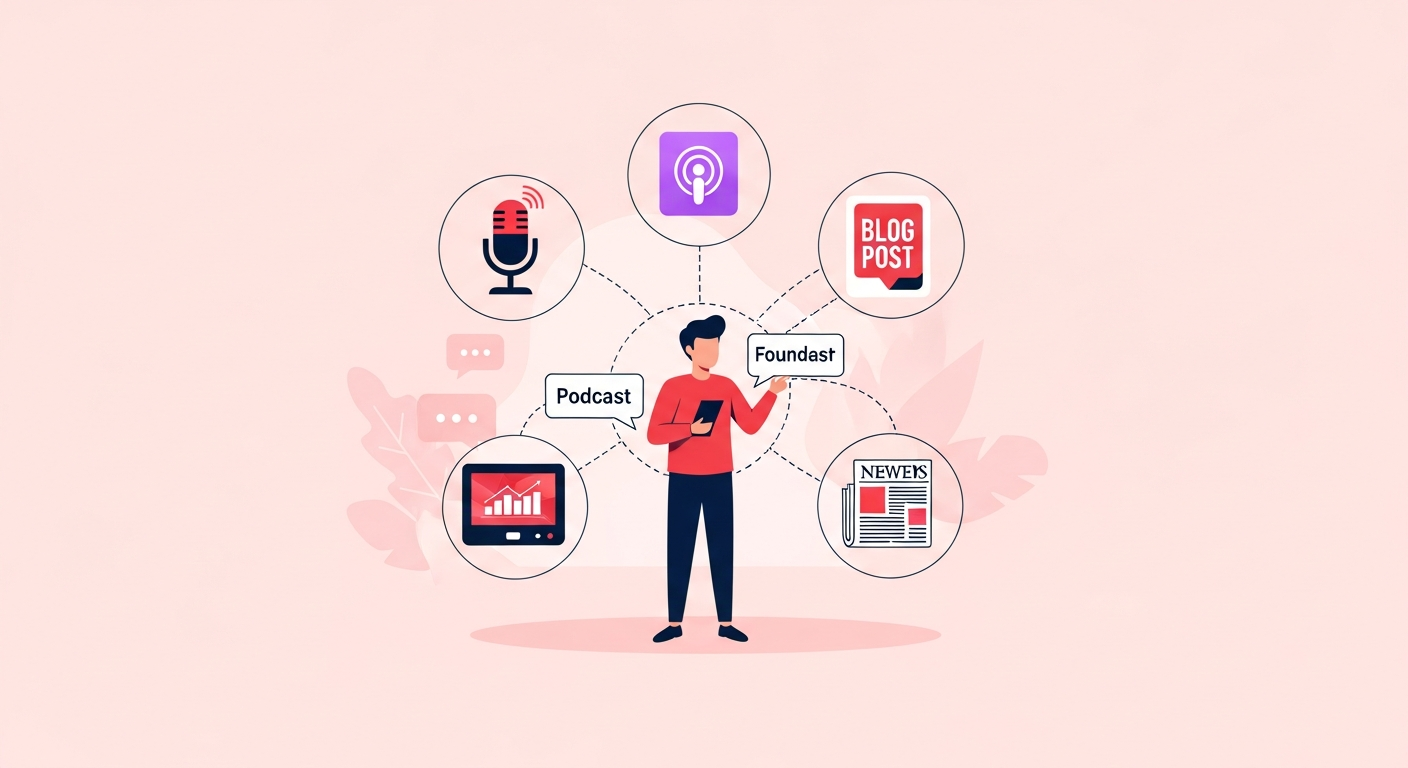
Forget casting a wide net. For budget-conscious PR, precision targeting is paramount. Research publications, blogs, and podcasts that specifically cater to your industry, your target audience, or topics where your expertise shines. These niche outlets often have highly engaged audiences and are constantly seeking expert contributors. Look for shows or articles that cover your specific area of focus and analyze their past content to understand their style and what kind of stories they feature. A thoughtful pitch to a highly relevant, smaller outlet can yield far greater returns than a generic pitch to a major news organization where you're just one of thousands. Focus on quality over quantity in your outreach efforts.
The Power of Thoughtful Podcast Guesting
Podcast guesting has emerged as a particularly potent and cost-effective PR tactic for solo consultants, small business owners, and creators. Being a guest on a relevant podcast allows you to share your expertise in an intimate, conversational format, building trust and rapport with a highly engaged audience. It's a fantastic way to showcase your personality, share your unique story, and position yourself as an authority in your field. To maximize this strategy, identify podcasts with audiences that align with your ideal clients or customers. Craft pitches that highlight specific insights or trends you can discuss, demonstrating that you've done your homework on their show. For a detailed guide on how to leverage this opportunity, explore The Smart Way to Leverage Podcasts for Your Business (Without Hosting One).
Leveraging LinkedIn for Journalist Connections and Relationship Building
LinkedIn is more than just a professional networking site; it's a powerful tool for media outreach and building genuine relationships with journalists. Many journalists are active on LinkedIn, using it to find sources, track industry trends, and share their work. Here’s how to use it effectively:
- Research: Use LinkedIn's search function to find journalists who cover your industry or topics.
- Engage: Follow their work, comment thoughtfully on their articles, and share their posts. Show genuine interest in their reporting before you ever pitch.
- Connect Strategically: When you send a connection request, personalize it by referencing a specific article of theirs you enjoyed or a shared interest.
- Polite Pitches: Once connected, if appropriate, send a concise, value-driven message that offers your expertise on a relevant topic they cover. Always respect their time and workflow.
Building these relationships takes time, but a strong network of media contacts can lead to invaluable earned media opportunities down the line.
How ToniPR Streamlines Your Budget-Friendly PR Efforts
Navigating the world of DIY PR can be time-consuming, especially for busy founders and consultants. This is where AI-powered tools like ToniPR come into play, offering a practical solution to streamline your content creation and amplify your story without the need for a large budget or an extensive PR team.
AI-Powered Interviews for Efficient Content Creation
ToniPR is designed to make the initial hurdle of content creation significantly easier. Instead of staring at a blank page or struggling to articulate your thoughts, ToniPR guides you through a series of PR-style interview questions. This interactive, AI-powered process helps you articulate your expertise, unique insights, and compelling stories in a structured way. It's like having a PR strategist gently prompting you, ensuring you cover all the key angles a journalist or your audience would want to know. This efficiency means you can generate rich, interview-led content much faster than traditional methods.
Converting Raw Answers into Press-Ready Outputs
The real magic happens after your interview. ToniPR takes your recorded answers and, using advanced AI, transforms them into a variety of professional, press-ready outputs. Imagine turning your spoken words directly into:
- Polished Quotes: Ready for media pitches or social media.
- Engaging LinkedIn Posts: Crafted to maximize visibility and engagement.
- Comprehensive Articles: Expanding on your insights for thought leadership.
- Concise Bios: Highlighting your expertise and background.
This automated conversion saves countless hours of writing, editing, and formatting, ensuring your message is consistent, professional, and ready for distribution across multiple channels. It empowers you to maintain a strong, credible voice without the need for extensive writing skills or a dedicated content team.
Saving Time and Resources for Solo Founders and Consultants
For individuals and small teams, time is often as scarce as budget. ToniPR addresses this directly by significantly reducing the manual effort involved in PR content creation. By providing a structured interview framework and automating the output generation, it frees you up to focus on your core business while still building vital media visibility. It's a cost-effective alternative to hiring expensive copywriters or agencies, offering a scalable solution for consistent, high-quality PR materials. With ToniPR, you can empower your DIY PR strategy, ensuring you have the consistent, professional content needed to grab attention and build your reputation. Ready to experience it? Visit ToniPR — AI PR interviews and start telling your story today.
Ethical PR & Long-Term Visibility: Sustaining Your Momentum
Achieving credible media visibility is not a one-off event; it's an ongoing commitment to ethical practices and genuine engagement. For solo founders, consultants, and SMBs, sustained visibility comes from building trust, providing consistent value, and focusing on long-term relationships over short-term gains.
Building Genuine Relationships with Media Professionals
The most effective PR, especially on a budget, is built on relationships. Journalists, editors, and podcast hosts are constantly looking for reliable, insightful sources. When you interact with media professionals, approach it as a partnership, not just a transaction. Provide value without expecting immediate returns. Be responsive, respect deadlines, and always deliver on your promises. A genuine connection forged over time can lead to recurring opportunities, as you become their go-to expert for specific topics. Remember, they are people too, with busy schedules and a need for credible, timely information. Your professionalism and helpfulness will set you apart.
Focusing on Value Over Hype and Short-Term Gains
In the world of PR, credibility is your most valuable asset. Resist the temptation to generate hype or make exaggerated claims. Instead, focus on providing genuine value through your insights, expertise, and unique perspective. Offer solutions, share lessons learned, or comment on industry trends with an informed, balanced view. This approach not only builds your reputation as a thought leader but also ensures that any media coverage you receive is authentic and impactful. Short-term sensationalism rarely translates into long-term trust or business growth. Your goal is to be seen as a reliable source of information, not just someone seeking promotion.
Measuring Your Impact Beyond Vanity Metrics
When you're investing your time and effort into DIY PR, it's crucial to measure what truly matters. While the number of media mentions can be gratifying, focus on metrics that align with your business objectives. Consider:
- Website Traffic: Is media coverage driving relevant visitors to your site?
- Audience Engagement: Are people commenting on your LinkedIn posts, sharing your articles, or asking questions?
- Quality of Mentions: Are you featured in outlets that reach your target audience and in a context that enhances your credibility?
- Lead Generation: Are new inquiries or client opportunities directly attributable to your PR efforts?
- Brand Sentiment: How is your brand perceived after media exposure?
By tracking these more meaningful indicators, you can refine your strategy, understand what resonates, and demonstrate the tangible value of your budget-friendly PR efforts.
Frequently Asked Questions
How can a small business or solo consultant get media coverage without a PR agency?
Small businesses and solo consultants can secure media coverage by focusing on defining a clear, unique story, preparing interview-ready narratives, and strategically repurposing content. Key tactics include targeting niche publications and podcasts, leveraging LinkedIn for journalist connections, and utilizing AI-powered tools like ToniPR to efficiently generate press-ready content from interviews. The emphasis is on providing genuine value and building relationships rather than relying on a large budget.
What are the most effective free PR tactics for startups and creators?
The most effective free PR tactics involve content repurposing (turning interviews into quotes, social posts, and articles), thought leadership on platforms like LinkedIn, strategic podcast guesting, and building direct relationships with journalists in your niche. Creating valuable, shareable content that demonstrates your expertise is crucial. Utilizing tools that streamline content creation, like ToniPR, also significantly reduces the time and effort required, making "free" tactics more feasible.
Is LinkedIn a good platform for media outreach and building journalist relationships?
Yes, LinkedIn is an excellent platform for media outreach and building relationships with journalists. Many journalists use LinkedIn to scout for expert sources and track industry trends. By engaging thoughtfully with their content, sending personalized connection requests, and offering concise, value-driven pitches, you can establish rapport and open doors to potential media opportunities. It's a professional environment conducive to long-term relationship building, which is a cornerstone of ethical and budget-friendly PR.
How does content repurposing help improve media visibility and save resources?
Content repurposing is a highly effective strategy for improving media visibility and saving resources because it maximizes the value of every piece of content you create. By transforming one core asset, such as an interview, into multiple formats (quotes, LinkedIn posts, articles, bios), you can distribute your message across various platforms without having to create new content from scratch each time. This consistency reinforces your brand, reaches diverse audiences, and significantly reduces the time, effort, and cost associated with content generation, making your PR efforts more efficient and impactful.