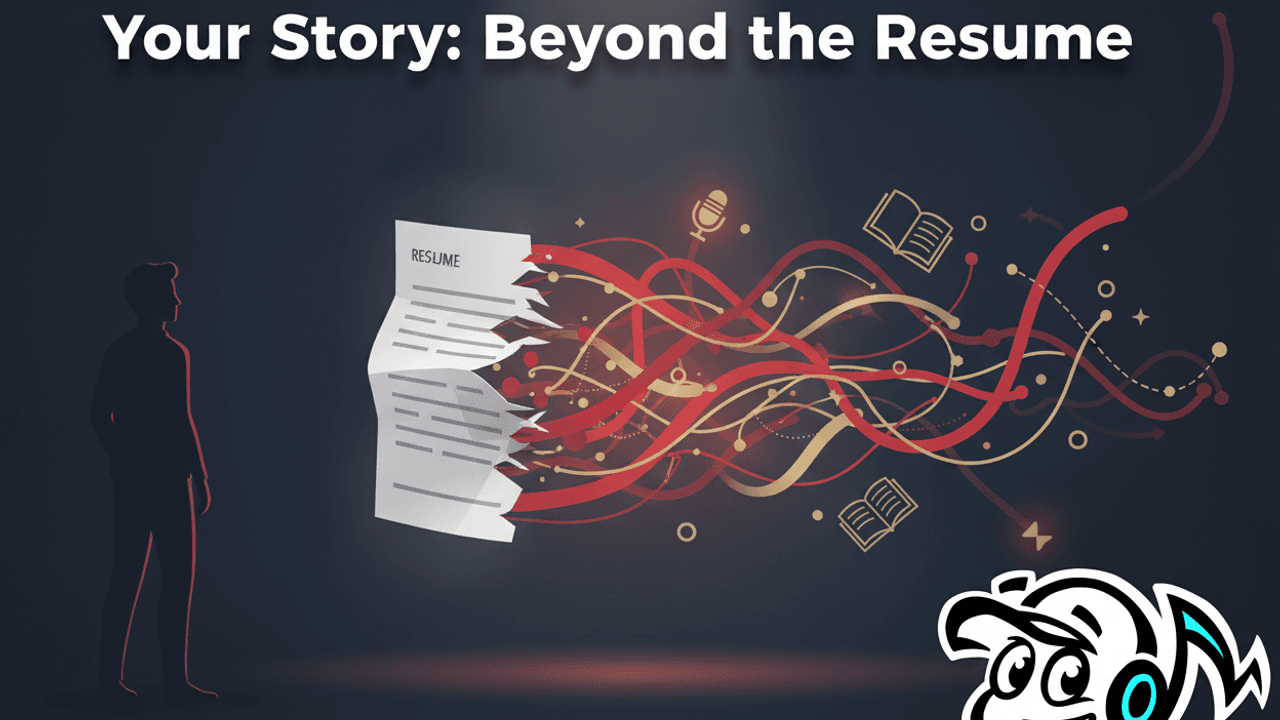
In today's crowded digital landscape, a founder's bio listing achievements and roles is no longer enough to cut through the noise. To truly connect, inspire, and build trust with your audience, you need more than bullet points – you need a story. A compelling founder story is the beating heart of your personal brand, offering a window into your motivations, struggles, and triumphs. It's how you move from being just another name to a credible, relatable voice in your industry.
At ToniPR, we understand that for solo consultants, small business owners, startup founders, and agency leads, credible visibility is paramount, but a full PR team isn't always feasible. This is why we champion interview-led storytelling. It’s a powerful, authentic approach to crafting founder story that allows your genuine narrative to emerge naturally, ready to be repurposed into impactful press-ready content.
Introduction: From Basic Bio to Impactful Narrative
The Evolving Landscape of Founder Visibility
Gone are the days when a simple, formal bio on your company's "About Us" page sufficed. The modern audience, from potential clients and investors to collaborators and media, seeks connection. They want to know the person behind the product or service. This shift necessitates a deeper, more personal approach to your public presence. Founders aren't just business leaders; they are innovators, problem-solvers, and visionaries whose journeys hold valuable lessons and insights.
Your visibility isn't just about what you do; it's about why you do it, how you got there, and the obstacles you overcame. This richer context is what transforms a founder from a mere professional into a compelling figure worthy of attention and trust. In an era where authenticity is highly valued, a well-articulated founder narrative is your most potent asset for building a personal brand storytelling presence that resonates.
Why a Compelling Story Outperforms a Static Bio
A static bio, while informative, often feels transactional. It lists facts: your name, title, company, perhaps a few key achievements. A compelling story, however, breathes life into these facts. It evokes emotion, creates empathy, and establishes a genuine connection with your audience. Think of it this way: a bio tells people what you've done; a story shows them who you are and why it matters.
- It builds genuine connection and trust: People connect with stories, not just data points. Sharing your journey, including challenges and vulnerabilities, makes you relatable and trustworthy.
- It differentiates you: In a competitive market, your unique story is a powerful differentiator. No two founders have the exact same journey, motivations, or insights.
- It makes you memorable: Stories are inherently more memorable than lists of facts. Your audience will remember the narrative arc, the "aha!" moments, and the core message long after they forget specific titles or dates.
- It fuels content: A rich founder story is a wellspring for diverse content – from LinkedIn posts and blog articles to podcast interviews and speaking engagements.
This is where interview-led storytelling shines. By answering thoughtfully crafted questions, you naturally uncover and articulate the nuances of your journey, laying the groundwork for a public presence that is both impactful and authentically you.
Deconstructing Your Story: Identifying Your Unique Founder DNA
Every founder has a unique story, often hidden beneath layers of daily operations and strategic planning. Unearthing this "Founder DNA" requires introspection and a structured approach to recall and articulate your journey beyond simple chronology. It's about finding the threads that weave together your personal experiences with your professional mission, creating a coherent and impactful startup founder story.
Unearthing Your 'Why': The Genesis of Your Journey
The most compelling stories begin with a powerful "why." What was the spark that ignited your entrepreneurial journey? Was it a personal frustration, a glaring market gap, a deeply held belief, or a serendipitous encounter? Go beyond the surface-level explanation. Instead of just saying, "I wanted to build a better tool," delve into:
- Motivations: What personal experiences or observations drove you? Was there a moment of clarity?
- Challenges: What problem were you trying to solve, and why was it important to you? What difficulties did you face in your previous roles or life that led you to this path?
- Insights: What unique understanding did you gain that others missed? What unexpected lesson did you learn that shaped your vision?
This "genesis" isn't just a historical anecdote; it's the foundation of your authenticity and the emotional core of your narrative. It helps your audience understand the genuine passion behind your venture.
Key Milestones and Transformative Moments
While a chronological list of achievements is part of your resume, your story needs to highlight the transformative moments. These are the pivot points, the failures that taught you invaluable lessons, the unexpected successes, and the moments of doubt that you pushed through. Consider:
- The "Aha!" Moments: When did a critical insight strike you? What changed your perspective or strategy?
- Overcoming Adversity: What significant challenges did you face, and how did you navigate them? Sharing vulnerability and resilience makes your story more human and inspiring.
- Unexpected Victories: Were there moments where things turned out better than expected, or where a small win snowballed into something bigger?
- Mentors or Influences: Who or what played a crucial role in shaping your path or providing guidance?
These aren't just events; they are narrative beats that showcase your character, problem-solving skills, and evolution as a leader. They are the building blocks of a truly engaging storytelling for entrepreneurs approach.
Values, Vision, and the Problem You're Solving
Your founder story isn't just about your past; it's deeply intertwined with your present mission and future vision. This is where your personal ethos meets your professional endeavor. Ask yourself:
- What core values drive you? How do these values manifest in your company culture, product development, or customer interactions? Connecting your personal values to your professional mission creates a cohesive and authentic narrative.
- What enduring problem are you committed to solving? Frame your venture not just as a business, but as a solution to a real-world pain point. This helps your audience understand the impact you aim to make.
- What is your long-term vision? Where do you see your company and your industry headed, and what role do you aspire to play in that future?
It’s crucial to understand the distinction between a personal story and a product pitch. Your founder story provides the human context and credibility for your venture, explaining the person behind the innovation. While your product solves a problem, your story explains why you care about solving that problem. This distinction ensures your authentic founder story resonates on a deeper level than mere marketing copy.
Interview-Ready: Shaping Your Narrative for Credible PR
Once you’ve identified the core elements of your story, the next step is to prepare to share it in a way that is both compelling and credible. For PR purposes, this often means being "interview-ready." The Q&A format is exceptionally powerful for natural storytelling, allowing your narrative to unfold organically rather than feeling forced or rehearsed.
The Power of the Q&A Format for Story Development
Interviews, whether with a journalist, a podcaster, or even an AI-powered tool like ToniPR, provide a structured yet conversational framework for sharing your narrative. Unlike writing a static piece, the give-and-take of an interview prompts you to think on your feet, recall details, and articulate complex ideas simply. This process helps you:
- Discover new angles: A good interviewer can ask questions that uncover facets of your story you hadn't considered articulating before.
- Practice concise delivery: The need to answer questions directly helps you distill your message and avoid jargon.
- Develop a natural cadence: Speaking your story aloud helps you find the right rhythm and tone, making it more engaging for listeners and readers.
- Build confidence: The more you articulate your story, the more confident and fluid you become in sharing it.
This format is not just about answering questions; it's about using those questions as prompts to weave a coherent and engaging founder narrative.
Crafting Concise, Impactful Answers
In any interview, time is often limited, and attention spans are short. The ability to deliver concise, impactful answers is crucial. This means learning to distill complex ideas, experiences, and insights into clear, quotable soundbites. Think about:
- The "Headline" Principle: Can you summarize your main point in one strong sentence?
- The "So What?" Factor: After sharing an experience, explain its significance or the lesson learned. How does it connect to your vision or values?
- Story Arcs, Not Just Facts: Even in a short answer, try to include a mini-story arc – a challenge, an action, and a resolution or insight.
- Avoiding Jargon: Speak in plain language that anyone can understand, regardless of their industry knowledge.
Practice articulating your "aha!" moments, pivot points, and core messages in a way that is both brief and compelling. This skill is invaluable for any founder seeking credible visibility.
Authenticity Over Exaggeration: Building Trust, Not Hype
The foundation of effective PR is credibility. In your founder story, authenticity is paramount. Focus on genuine experiences, lessons learned, and the reality of your journey – not just the successes. Avoid the temptation to inflate achievements or present a flawless image. Audiences are savvy; they can spot inauthenticity from a mile away.
- Embrace Vulnerability: Sharing challenges and failures, and what you learned from them, makes you more relatable and human. It builds deeper trust than a narrative of perpetual success.
- Stick to the Facts: While storytelling involves narrative flair, the underlying facts must be accurate. Exaggeration erodes credibility quickly.
- Focus on Impact, Not Just Features: Instead of hyping what your product does, talk about the genuine impact it has on people or problems.
- Long-term Credibility: Remember that building trust is a marathon, not a sprint. Consistently honest and realistic communication fosters lasting credibility.
Understanding how AI-powered tools like ToniPR can help refine your messaging is key here. By providing a structured interview environment and then processing your answers into various outputs, ToniPR helps you articulate your authentic voice, ensuring your story is clear, impactful, and ready for public consumption without sounding artificial or "hypey."
Amplifying Your Story: LinkedIn, Content, and Ethical Visibility

A compelling founder story is a powerful asset, but its impact is amplified when strategically shared across various platforms. This isn't just about broadcasting; it's about integrating your personal brand storytelling into your public presence, repurposing content intelligently, and upholding ethical PR habits.
Integrating Your Narrative into Your LinkedIn Presence
Your LinkedIn profile is far more than an online resume; it's a prime canvas for your founder story. It’s often the first place potential investors, partners, clients, and media will look to understand who you are. Instead of just listing your roles and accomplishments, infuse your narrative throughout:
- Headline: Go beyond your title. Use it to convey your mission or the problem you're solving.
- About Section: This is your opportunity to weave your "why," key milestones, and values into a cohesive narrative. Share the journey that led you to where you are today.
- Experience Descriptions: For each role, don't just list duties. Explain the challenges you faced, the insights you gained, and how each experience shaped your entrepreneurial path.
- Posts and Articles: Regularly share insights, lessons learned, and updates that reflect your founder story. This demonstrates your expertise and keeps your narrative alive.
By consistently integrating your founder public presence into your LinkedIn activity, you transform your profile from a static document into a dynamic, living testament to your journey and vision.
Repurposing Your Story Across Content Channels
One of the most efficient ways to maximize your founder story is through intelligent content repurposing. The insights and narratives you develop through interview-led storytelling can be transformed into a multitude of formats, extending your reach and reinforcing your message:
- Blog Posts and Articles: Turn detailed answers from interviews into engaging blog posts that elaborate on specific aspects of your journey, challenges, or vision.
- LinkedIn Posts: Extract key quotes, short anecdotes, or lessons learned to create concise, engaging updates for your network.
- Podcast Appearances: Your practiced interview answers become the foundation for compelling discussions on industry podcasts.
- Speaking Engagements: Developed narratives can be expanded into compelling presentations for conferences, webinars, or workshops.
- Media Pitches: Craft compelling pitches to journalists, highlighting specific aspects of your story that align with their interests.
This strategic approach ensures that your effort in crafting founder story yields a consistent stream of valuable content, reinforcing your message across different touchpoints.
Maintaining Consistency and Credibility in Public Relations
Ethical PR is built on consistency, transparency, and accuracy. As you amplify your story, it’s vital to maintain a consistent voice and message across all platforms. Inconsistencies can breed doubt and erode trust.
- Consistent Voice: Ensure that whether you're writing a LinkedIn post or being interviewed for a major publication, your tone, values, and core message remain true to your authentic self.
- Accuracy: Always ensure the information you share is factual and truthful. Misrepresentation, even minor, can have significant long-term repercussions for your credibility.
- Transparency: Be open about your process, your challenges, and your learning curves. This builds trust and positions you as a genuine leader.
- Long-Term Relationship Building: Ethical PR is not about quick wins or sensational headlines. It's about building genuine relationships with media, peers, and your audience over time.
Understand that building a strong personal brand storytelling and public presence is an ongoing effort. It requires patience, persistence, and a commitment to authenticity. There's no magic button for instant media placement or overnight celebrity. It's about developing a comprehensive personal branding timeline for professionals, consistently sharing your authentic self, and engaging thoughtfully with your community.
Measuring Impact and Iterating Your Narrative
Your founder story isn't a static artifact; it's a living narrative that evolves as you and your venture grow. To ensure it remains relevant and impactful, it's important to measure its resonance and be open to continuous refinement.
How to Gauge if Your Story Resonates
While direct media placements are often desired, the impact of your founder story can be measured in various ways, often subtly at first:
- Engagement: Are people commenting on your LinkedIn posts? Are you receiving direct messages or emails referencing aspects of your story?
- Positive Feedback: Do people tell you that your story resonated with them, inspired them, or helped them understand your mission better?
- New Opportunities: Are you being invited to speak, collaborate, or be interviewed based on your articulated story? Are new leads or partnerships emerging that cite your personal journey as a connection point?
- Website Traffic & Conversions: While not solely attributable, a compelling founder story can contribute to increased interest in your brand, leading to more visits and potentially higher conversion rates on your "About Us" page or contact forms.
- Media Mentions: Over time, if your story is consistently shared and resonates, you'll see organic media mentions or requests for interviews.
These indicators provide valuable feedback on how your authentic founder story is being received and its effectiveness in building connection and credibility.
Feedback Loops and Continuous Refinement
Just as you iterate on your product or service, your founder narrative benefits from ongoing refinement. Pay attention to the feedback you receive, both explicit and implicit:
- Listen to Your Audience: Which parts of your story resonate most? Which parts elicit questions or confusion?
- Review Your Content: Re-read old blog posts or listen to past interviews. Is your message still clear? Is there anything you'd articulate differently now?
- Seek Peer Input: Share your story with trusted mentors or peers and ask for their honest feedback on its clarity, impact, and authenticity.
- Analyze Performance: Use analytics from your blog, social media, or website to see which content related to your story performs best.
Being open to refining your narrative based on audience reception, new experiences, and evolving insights ensures your story remains fresh, relevant, and powerful. It’s an active process, not a one-time creation.
The Evolving Nature of Your Founder Story
Your journey as a founder doesn't end; it continues to unfold. As your company grows, as you face new challenges, learn new lessons, and achieve new milestones, your story will naturally evolve. What was once a key struggle might become a distant memory, replaced by new insights from recent triumphs or setbacks.
Embrace this evolution. Your founder story should reflect your current self and your current mission, while still honoring your origins. Regularly revisit your narrative, perhaps once a year or after significant company milestones, to integrate new experiences and insights. This ensures your story remains dynamic, reflecting the true, ongoing crafting founder story of your entrepreneurial life.
Frequently Asked Questions
How do I find my unique founder story if I feel my background is ordinary?
Every background, no matter how seemingly "ordinary," holds unique experiences and insights. The key is to look beyond surface-level events and delve into your motivations, challenges, and lessons learned. Ask yourself:
- What problem consistently bothered you? Even a small, everyday frustration can be the seed of a powerful "why."
- What skills or perspectives did you gain from past jobs or hobbies? How do these unexpectedly apply to your current venture?
- What moments of failure or difficulty taught you the most? Vulnerability makes you relatable.
- What values consistently guide your decisions? Connect these personal values to your business mission.
Often, it's not the grand events but the specific details, the personal "aha!" moments, and the unique way you connect disparate experiences that form a compelling narrative. Interview-led tools can help prompt these memories.
What's the difference between a founder story and a company's brand story?
While often intertwined, a founder story and a company's brand story are distinct:
- Founder Story: Focuses on the individual(s) who started the company. It's about their personal journey, motivations, challenges, and vision that led to the creation of the business. It humanizes the company through its origin.
- Company Brand Story: Focuses on the company itself – its mission, values, impact, and the narrative it builds around its products/services and its relationship with customers. It's the overarching narrative the brand presents to the world.
The founder story often serves as a powerful foundational element of the brand story, providing credibility, authenticity, and a human face. The company's brand story then builds upon this, expanding to encompass its wider impact and future trajectory. Think of the founder story as the "genesis chapter" of the larger brand saga.
How can I ensure my founder story sounds authentic and not 'hypey'?
Authenticity is built on truth, vulnerability, and genuine emotion. To avoid sounding 'hypey':
- Focus on the "Why," not just the "What": Explain your motivations and the problem you're solving, rather than just listing features or achievements.
- Share Challenges and Failures: No journey is without setbacks. Acknowledging difficulties and what you learned from them makes your story more relatable and credible.
- Use Specific, Concrete Details: Vague claims often sound like puffery. Share specific anecdotes, data points, or conversations that illustrate your points.
- Avoid Exaggeration: Stick to the facts. While storytelling involves narrative flair, never invent or inflate details.
- Speak in Your Own Voice: Don't try to sound like someone else. Let your natural personality and tone come through. Practice speaking your story aloud to ensure it feels natural to you.
Tools like ToniPR help by providing a conversational, interview-led format, which naturally encourages a more authentic and less performative delivery.
Should my founder story change over time, and how often?
Yes, your founder story absolutely should and will evolve over time. Your journey is ongoing, and as you and your company grow, you'll accumulate new experiences, insights, and achievements. It's not about fabricating a new story, but rather:
- Adding New Chapters: Incorporating recent milestones, significant pivots, new lessons learned, or expanded vision.
- Refining Emphasis: What was a critical turning point early on might become a foundational piece, while more recent developments take center stage in your narrative.
- Deepening Insights: Your understanding of your industry, customers, and even yourself will deepen, allowing you to articulate your "why" or "how" with greater nuance.
There's no strict frequency, but a good practice is to revisit your founder story annually, or after significant company milestones (e.g., major funding rounds, product launches, market expansions). Think of it as an ongoing narrative that you continuously update and refine to reflect your current reality and future aspirations.