In today's dynamic business landscape, a strong personal brand isn't just an asset for consultants—it's a necessity. For solo consultants, independent professionals, and agency leads, establishing a clear, credible, and consistent professional identity is paramount to attracting ideal clients and standing out in a crowded market. This guide will walk you through a strategic approach to consultant personal branding, moving beyond fleeting trends to build a foundation of genuine thought leadership and trust.
This isn't about chasing viral fame or adopting a "guru" persona. Instead, we'll focus on practical, ethical strategies for leveraging your unique expertise, articulating your value, and consistently sharing your insights to build a reputation that precedes you.
Introduction: Why Personal Branding Matters for Consultants Today
The consulting world has never been more competitive. With digital transformation accelerating and new challenges emerging daily, businesses are constantly seeking specialized expertise. For consultants, this presents both an opportunity and a challenge: how do you ensure your unique skills and insights cut through the noise?
The Evolving Consulting Landscape
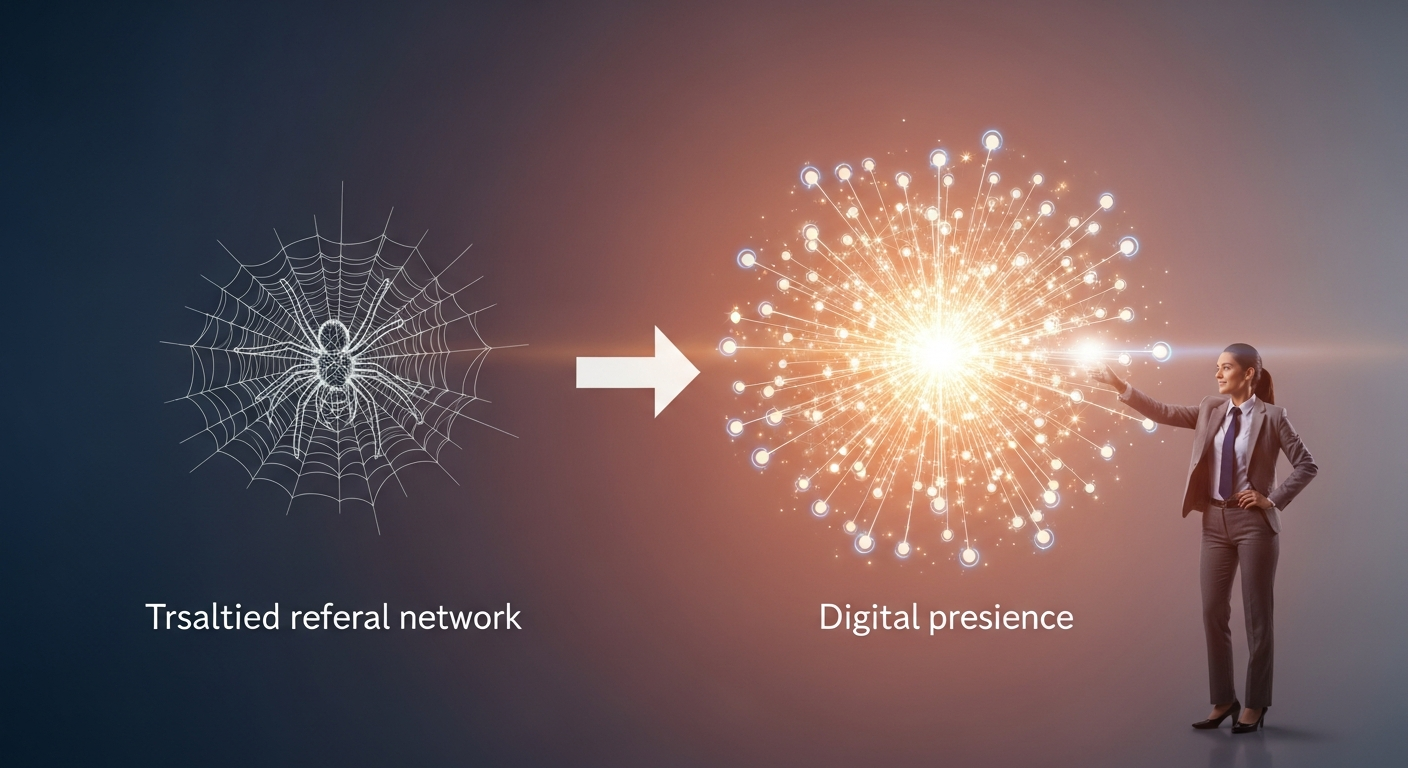
Gone are the days when a robust referral network alone guaranteed a steady stream of clients. While referrals remain invaluable, the digital age demands a more proactive and visible approach to market your expertise. Clients are increasingly researching consultants online, evaluating their digital footprint, and looking for tangible evidence of their thought leadership before even considering an initial conversation. Your online presence, therefore, isn't just a marketing tool; it's a critical component of your professional credibility as a consultant.
Beyond the Referral Network: Proactive Visibility
A well-defined personal brand allows you to actively shape perceptions and attract opportunities, rather than passively waiting for them. It enables you to differentiate yourself from competitors by clearly articulating what makes you unique—your specialized niche, your methodology, and the specific results you deliver. This proactive visibility is crucial for attracting ideal clients who resonate with your values and require your precise expertise, leading to more fulfilling and impactful engagements.
What 'Personal Brand' Really Means (and Doesn't)
At its core, your personal brand is the sum of how others perceive you professionally. It's about establishing your professional credibility as a consultant and consistently communicating your unique value. It's not about creating a superficial image or engaging in self-aggrandizing hype. Instead, it’s about authentic thought leadership—demonstrating your deep understanding of your field, offering valuable insights, and solving real problems for your target audience. It's the long-term impact of a consistent, authentic professional identity that builds trust and authority over time. For more on building foundational trust, consider reading our guide on how to build founder credibility from scratch.
The Foundation: Defining Your Consultant Brand & Expertise
Before you can effectively communicate your personal brand, you must first define it. This foundational work involves a deep dive into your unique strengths, your market, and the specific needs of your ideal clients. This isn't just an academic exercise; it's the blueprint for all your future branding efforts.
Pinpointing Your Niche and Unique Value Proposition
The consulting market rewards specialization. Trying to be everything to everyone often results in being memorable to no one. Start by conducting a self-assessment to identify your core strengths, areas of specialization, and the specific problems you are uniquely equipped to solve. What industry knowledge do you possess? What methodologies do you excel in? What unique perspectives do you bring? Follow this with market research to identify unmet needs, emerging opportunities, and gaps where your expertise can truly shine. Your niche isn't just a segment; it's where your passion, skills, and market demand intersect.
Once you've identified your niche, articulate your Unique Value Proposition (UVP). This is a clear, concise statement of what you do, for whom, and the distinct benefit you provide that sets you apart from others. It should answer the question: "Why should a client choose you over anyone else?"
Articulating Your Core Message and Values
Your personal brand extends beyond your services; it encompasses your core message and values. What principles guide your work? What impact do you aim to make? Your core message should be a consistent theme that runs through all your communications, reflecting your unique philosophy and approach. This involves crafting a clear, concise statement of what you do and for whom, ensuring it resonates with your ideal client's pain points and aspirations.
Authenticity is key here. Your values should be genuine and reflected in your actions, not just your words. Clients are increasingly looking for partners who align with their own values, and a strong, authentic value proposition can be a powerful differentiator.
Understanding Your Ideal Client and Their Needs
Effective branding is always client-centric. You can't build a compelling brand without a deep understanding of who you're trying to reach. Develop detailed profiles of your ideal clients. What are their biggest challenges? What keeps them up at night? What are their goals and aspirations? Where do they seek information? The more precisely you understand their needs, the more effectively you can tailor your message and offerings to resonate with them.
This understanding forms the basis for building authentic trust with your clients and audience. By speaking directly to their needs and demonstrating empathy, you establish a connection that goes beyond a transactional relationship. For further strategies on building trust, explore our article on how founders can build trust.
Interview-Led Storytelling: Your Credibility Engine
Once you've defined your brand, the next step is to communicate it effectively. This is where interview-led storytelling becomes an incredibly powerful tool for consultant personal branding strategy. Your expertise is a goldmine of insights, but often, consultants struggle to translate that knowledge into engaging, shareable content. Structured interviews offer a practical solution.
Turning Expertise into Shareable Narratives
As a consultant, you possess a wealth of experience, case studies, and unique perspectives. However, extracting these insights and framing them into compelling narratives can be time-consuming. Structured interviews act as a catalyst, guiding you through a series of PR-style questions designed to uncover your deepest knowledge, professional stories, and actionable advice. This process helps you articulate complex ideas in an accessible way, making your expertise not just understood, but remembered.
The Power of Structured Interviews for Content Creation
Imagine being able to sit down, speak naturally about your area of expertise, and have those insights transformed into various content formats. That's the power of structured interviews. They help extract your unique insights and experiences by prompting you to elaborate on specific topics, share anecdotes, and articulate your thought process. This method bypasses the blank page syndrome, allowing you to focus on what you know best: your consulting work.
The raw material from these interviews can then be transformed into a multitude of press-ready outputs: compelling quotes for media pitches, engaging LinkedIn posts, detailed blog articles, professional bios, and even segments for podcasts or speaking engagements. This efficient process ensures that your valuable insights don't just stay in your head but are actively contributing to your personal brand building for consultants.
Repurposing Your Insights for Maximum Impact
One of the most strategic aspects of interview-led storytelling is its inherent efficiency. By leveraging your existing knowledge and structuring it through interviews, you create a consistent content stream from a single source. A single interview can generate enough material for several LinkedIn posts, a comprehensive blog article, and key soundbites for media outreach. This approach to content repurposing for consultants maximizes your effort, ensuring your insights reach a wider audience across multiple platforms without requiring you to constantly generate entirely new content from scratch.
This is where tools like ToniPR come in. ToniPR streamlines the process, transforming your interviews into press-ready content with AI, making the creation and repurposing of high-quality, credible content more accessible and efficient than ever for busy consultants.
Strategic Content Distribution: Amplifying Your Voice
Creating compelling content is only half the battle; the other half is ensuring it reaches your target audience. Strategic content distribution is vital for amplifying your voice and establishing your authority as a thought leader in the consulting space. This involves identifying the most impactful channels and tailoring your content for each.
LinkedIn: Your Primary Hub for Professional Visibility
For consultants, LinkedIn is arguably the most effective platform for professional visibility and thought leadership consulting. It's where your ideal clients, peers, and potential collaborators spend their professional time. Developing a consistent LinkedIn strategy for engagement and authority building is non-negotiable. This means:
- Optimizing your profile: Ensure your headline, summary, and experience sections clearly articulate your niche, UVP, and expertise.
- Regular posting: Share insights, articles, and updates related to your field. Don't just share external content; add your unique perspective.
- Engaging with others: Comment thoughtfully on posts from industry leaders, clients, and prospects. Participate in relevant groups.
- Publishing articles: Use LinkedIn's publishing platform for longer-form content that delves deeper into your expertise.
Your LinkedIn presence should be a dynamic reflection of your professional brand, showcasing your expertise and fostering meaningful connections.
Crafting Thought Leadership Articles and Blog Posts
While LinkedIn is excellent for shorter updates and professional networking, long-form content like thought leadership articles and blog posts allows you to dive deeper into complex topics, demonstrate comprehensive understanding, and provide actionable value to your audience. Structuring long-form content that showcases your deep expertise can be a powerful way to position yourself as an authority.
These pieces should offer unique insights, challenge conventional wisdom, or provide practical solutions to industry-specific problems. Hosting these articles on your own website or a reputable industry platform not only builds your personal brand but also enhances your SEO, driving organic traffic to your professional hub.
Leveraging Speaking Engagements and Media Opportunities
Beyond digital platforms, in-person and virtual speaking engagements offer unparalleled opportunities to amplify your personal brand and reach new audiences. Mastering public speaking allows you to connect directly with potential clients, demonstrate your expertise in real-time, and build genuine rapport. Look for industry conferences, webinars, podcasts, and local business events where your expertise would be valuable. To avoid common missteps, consider our insights on common pitfalls for first-time founders in public speaking.
Furthermore, securing media coverage to showcase your expertise can significantly boost your credibility and reach. This doesn't necessarily require a large PR agency. By understanding what journalists are looking for and preparing compelling pitches rooted in your unique insights, you can often secure placements in relevant publications. For practical advice on this, read our guide on how to get media coverage without a PR agency.
Maintaining Authenticity & Long-Term Growth
Building a personal brand for consultants is not a one-time project; it's an ongoing commitment to consistency, authenticity, and evolution. The true power of a strong personal brand lies in its sustainability and its ability to foster genuine connections over time.
Building Trust, Not Just Visibility: Ethical PR Habits
In the pursuit of visibility, it's crucial never to compromise authenticity or ethical standards. Your personal brand should be a reflection of your true self and your professional integrity. Prioritizing genuine connections and ethical communication over fleeting trends ensures that your brand builds trust, which is the ultimate currency in consulting. This means:
- Transparency: Be clear about your capabilities and limitations.
- Integrity: Uphold your values in every interaction and piece of content.
- Value-first approach: Always aim to provide genuine value to your audience, rather than just self-promotion.
- Respect for privacy: Handle client information and insights with the utmost care.
Ethical PR habits build a reputation that endures, attracting clients who value your character as much as your expertise.
Measuring Your Brand's Impact and Adapting Your Strategy
To ensure your consultant personal branding strategy remains effective, it's important to establish feedback loops and monitor key metrics. While direct ROI on personal branding can be hard to quantify immediately, you can track indicators such as:
- Website traffic and engagement.
- LinkedIn profile views, connection requests, and post engagement.
- Inquiries from your target audience.
- Speaking invitations or media opportunities.
- Qualitative feedback from clients and peers.
Regularly review these metrics to understand what's working and what isn't. Be prepared to adapt your strategy, refine your message, or explore new content channels based on these insights. The consulting landscape is always changing, and your brand strategy should evolve with it.
The Commitment to Continuous Learning and Evolution
Your expertise is your most valuable asset, and maintaining it requires a commitment to continuous learning and evolution. Stay abreast of industry trends, technological advancements, and new methodologies. Share your learning journey with your audience, demonstrating your dedication to staying at the forefront of your field. This not only keeps your expertise current and relevant but also reinforces your position as a credible thought leader.
Remember, personal brand building for consultants is a marathon, not a sprint. The importance of consistency and patience in personal brand development cannot be overstated. Authentic growth takes time, sustained effort, and a genuine commitment to providing value. By consistently nurturing your brand, you will cultivate a powerful professional identity that serves as a foundation for long-term success and impact.
Frequently Asked Questions
How do consultants build a personal brand without sounding salesy?
Building a personal brand without sounding salesy hinges on a value-first approach. Instead of constantly promoting your services, focus on consistently sharing valuable insights, expertise, and solutions to problems your target audience faces. This involves thought leadership content (articles, posts, speaking engagements), offering genuine advice, and engaging in conversations rather than just broadcasting. When you provide consistent value, you naturally attract clients who recognize your expertise and are already predisposed to trust you. Your brand becomes about helping, not just selling.
What is the most effective platform for consultants to establish thought leadership?
For consultants, LinkedIn is generally the most effective platform for establishing thought leadership. It's a professional network where decision-makers, industry peers, and potential clients actively seek out expertise and insights. A strong LinkedIn strategy includes regularly publishing articles, sharing thoughtful commentary on industry news, engaging in relevant groups, and optimizing your profile to clearly articulate your niche and value. While other platforms can be supplementary, LinkedIn serves as the primary hub for professional visibility and credibility.
How can solo consultants repurpose their expertise into content?
Solo consultants can efficiently repurpose their expertise into a wealth of content by starting with a core piece of insight. For example, a single structured interview about a specific client challenge and your solution could be transformed into: a detailed blog post, several concise LinkedIn updates, talking points for a podcast guest appearance, a quote for a media pitch, or even a section in an e-book. The key is to break down your knowledge into smaller, adaptable segments and use tools like ToniPR to streamline the transformation of spoken insights into written, press-ready formats.
Is it possible to get media attention as a consultant without a PR agency?
Yes, it is absolutely possible for consultants to get media attention without a PR agency. The strategy involves identifying relevant publications and journalists, understanding their editorial needs, and crafting compelling pitches that highlight your unique expertise and offer valuable insights or commentary on current industry trends. Developing strong, interview-led content (as discussed in this post) provides you with ready-made quotes and articles that journalists can easily use. Tools like ToniPR can help you generate these press-ready materials, and a proactive, consistent outreach effort can yield significant media placements.