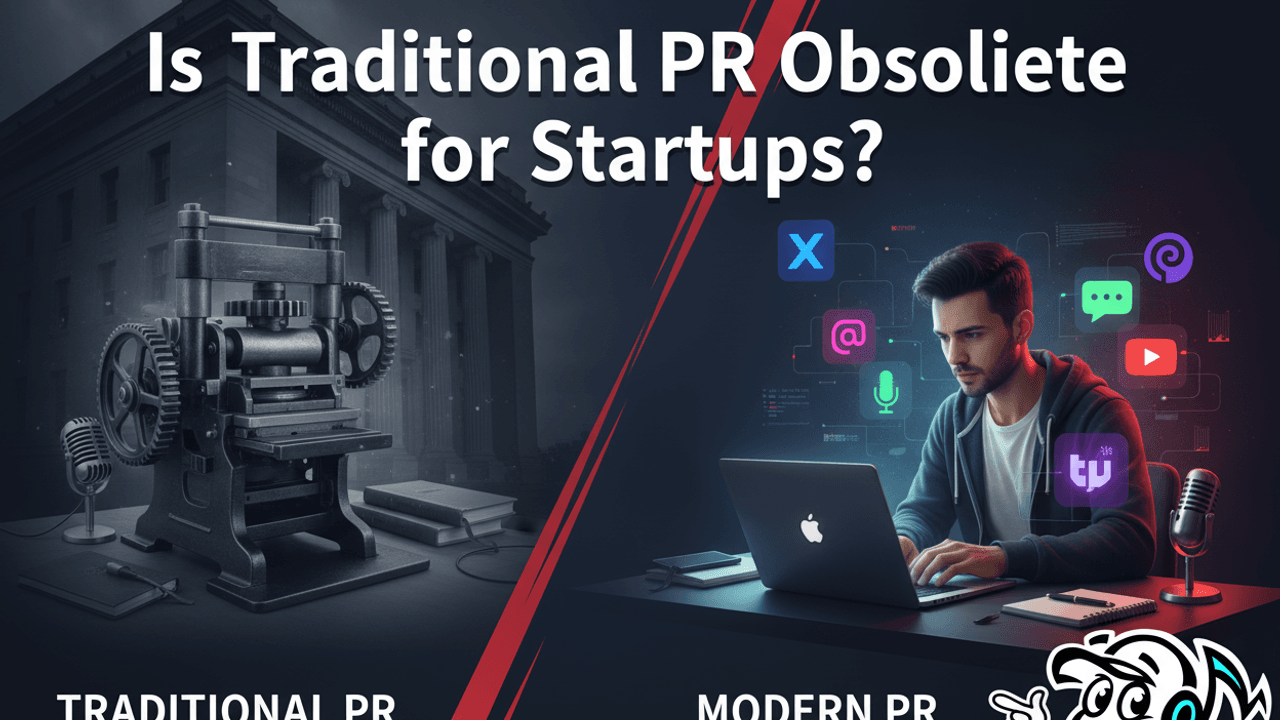
The media landscape is constantly evolving, and for startup founders, solo consultants, and small business owners, navigating the world of public relations can feel like a game of ever-changing rules. You’ve likely heard the whispers: “Traditional PR is dead.” But is this really true? Or has the approach to earning credible visibility simply transformed?
At ToniPR, we believe the essence of PR – building trust and sharing your unique story – is more vital than ever. What has changed profoundly is how you achieve it. This post will explore the evolution of PR, offering a practical, founder-friendly guide to modern strategies that emphasize authentic storytelling, strategic content repurposing, and ethical practices.
Introduction: Is Traditional PR Really Dead for Startups?
The Enduring Question: Why Founders Are Asking
In today's fast-paced digital world, many startup founders, solo consultants, and small business owners find themselves questioning the efficacy of traditional PR. The perception often is that it's an outdated, expensive, and slow-moving process ill-suited for agile, early-stage ventures. With lean budgets and a need for immediate impact, investing in what feels like a black box can be a tough sell. Founders are looking for strategies that deliver tangible results, build credibility, and resonate directly with their target audiences without the prohibitive costs or uncertain outcomes associated with old-school methods.
Defining 'Traditional PR' in a Modern Context
When we talk about "traditional PR for startups," we typically refer to the practice of hiring a PR agency or publicist to secure placements in major news outlets like national newspapers, television, or prominent magazines. This often involved crafting generic press releases, distributing them broadly, and relying on established media relationships to land features. The focus was heavily on mass media impressions, aiming for a single, large splash that would hopefully trickle down into wider awareness. While effective in its heyday, this model often struggles to connect with today's fragmented, digitally-native audiences.
The Core Thesis: Evolution, Not Extinction
Our core belief at ToniPR is that traditional PR isn't dead; it has simply evolved. The fundamental need for credible third-party validation and storytelling remains paramount for startups. What's changed is the toolkit, the channels, and the emphasis. Modern PR for founders shifts away from solely chasing a handful of major media mentions and towards a more strategic, multi-faceted approach. This includes leveraging owned media, cultivating thought leadership, mastering platforms like LinkedIn, and repurposing content to maximize reach and impact. It’s about building a sustainable, trustworthy narrative, not just a fleeting headline.
The Shifting Landscape: Why Traditional Tactics Feel Obsolete
Decline of Print and Broadcast Media Influence
For decades, print newspapers, magazines, and broadcast television were the undisputed kings of media. Securing a feature in a major publication or a spot on a national news program could launch a brand overnight. However, the digital revolution has dramatically altered this landscape. Readership and viewership for many traditional outlets have declined, and while they still hold influence, their reach is often narrower and more fragmented than before. Consumers now curate their own news feeds, opting for personalized content over broad-stroke reporting, making it harder for a single traditional placement to create widespread buzz for a startup.
The Rise of Digital, Social, and Niche Platforms
The internet has democratized information, giving rise to an explosion of digital-first publications, blogs, podcasts, social media platforms, and highly specialized industry communities. This fragmentation means that audiences are scattered across countless channels. While this presents challenges for traditional mass-media PR, it also creates unprecedented opportunities for startups to connect directly with their specific target demographics on platforms where they already spend their time. From LinkedIn for B2B founders to TikTok for direct-to-consumer brands, the 'gatekeepers' have multiplied, but so have the direct pathways to engaged communities.
High Costs vs. Diminishing Returns for Startups
Traditional PR agencies often command hefty monthly retainers, typically starting in the low thousands and escalating significantly. For early-stage startups or solo consultants with tight budgets, these costs are often prohibitive. Even when an agency is engaged, there are rarely guarantees of specific media placements, let alone measurable business impact. This can lead to a frustrating cycle of high expenditure with unclear returns, making founders question the value proposition of a traditional PR investment. Modern approaches prioritize cost-effectiveness and demonstrable value.
The 'Gatekeepers' Have Changed (or Multiplied)
In the past, a handful of influential journalists and editors held the keys to media coverage. Getting their attention was the primary goal of traditional PR. Today, while influential journalists still exist, the landscape includes a vast array of bloggers, podcasters, YouTubers, industry analysts, community leaders, and even influential customers. Each of these can act as a 'gatekeeper' or, more positively, a 'connector' to a specific audience. The shift requires a more nuanced approach, understanding who influences your specific niche and how to genuinely engage with them, rather than simply pitching to a few major news desks.
Modern PR for Founders: An Interview-Led Storytelling Approach
The good news for startups, solo consultants, and SMBs is that the modern PR landscape is incredibly fertile ground for those willing to embrace new strategies. At its heart, modern PR for founders is about leveraging your most powerful asset: your authentic story and expertise.
Leveraging the Founder's Authentic Voice
No one knows your startup, its mission, or its challenges better than you, the founder. Your journey, your insights, and your vision are inherently compelling. In an era of content saturation, authenticity cuts through the noise. People connect with people, not just products. By putting your authentic voice at the forefront of your PR efforts, you build trust, foster connection, and establish a unique brand identity that resonates deeply with your audience. This interview-led storytelling approach allows your genuine passion and expertise to shine, making your narrative far more impactful than any generic press release.
Thought Leadership as Your PR Engine
Instead of merely talking about your product, position yourself as an authority in your industry. Thought leadership is about sharing valuable insights, offering unique perspectives, and solving problems for your audience through your expertise. When you consistently provide value, you earn credibility and establish yourself as a go-to source for information within your niche. This naturally attracts media attention, industry collaborations, and customer loyalty. It transforms you from a vendor into a trusted expert, making your PR efforts organic and sustainable. To dive deeper into cultivating this vital aspect, explore our guide on Why Your Small Business Needs a Thought Leadership Strategy Now.
The Power of Owned Media and Strategic Content Repurposing
Owned media refers to content channels you control entirely: your company blog, newsletter, podcast, or social media profiles. These platforms are invaluable for telling your story on your own terms, without relying on external gatekeepers. The magic happens when you strategically repurpose your core content. For example, a single in-depth interview (like those facilitated by ToniPR) can be transformed into a blog post, a series of LinkedIn updates, quotes for media pitches, soundbites for a podcast, or even an email newsletter segment. This maximizes the return on your content creation efforts, ensuring your message reaches multiple audiences across various platforms with minimal additional work.
LinkedIn: Your Professional PR Platform
For founders, LinkedIn is far more than just a professional networking site; it's a powerful, often underutilized, PR platform. It allows you to directly connect with potential customers, investors, industry influencers, and even journalists. By consistently sharing your insights, engaging in relevant conversations, and publishing articles, you can build a strong professional brand and establish your thought leadership. Your LinkedIn presence can become a primary channel for earned media, demonstrating your expertise and attracting opportunities without traditional media outreach. Learn how to optimize this powerful tool with our strategies in LinkedIn for Founders: 5 Strategies to Boost Your Professional Visibility.
This is where tools like ToniPR come in. We streamline the process of capturing your authentic insights through an interview-led approach and transforming them into press-ready content. Our platform helps you turn your unique story and expertise into quotes, articles, LinkedIn posts, and more, making modern PR accessible and efficient for every founder. Discover how we can empower your storytelling at ToniPR — AI PR interviews.
DIY PR & Cost-Effective Strategies for Startup Visibility
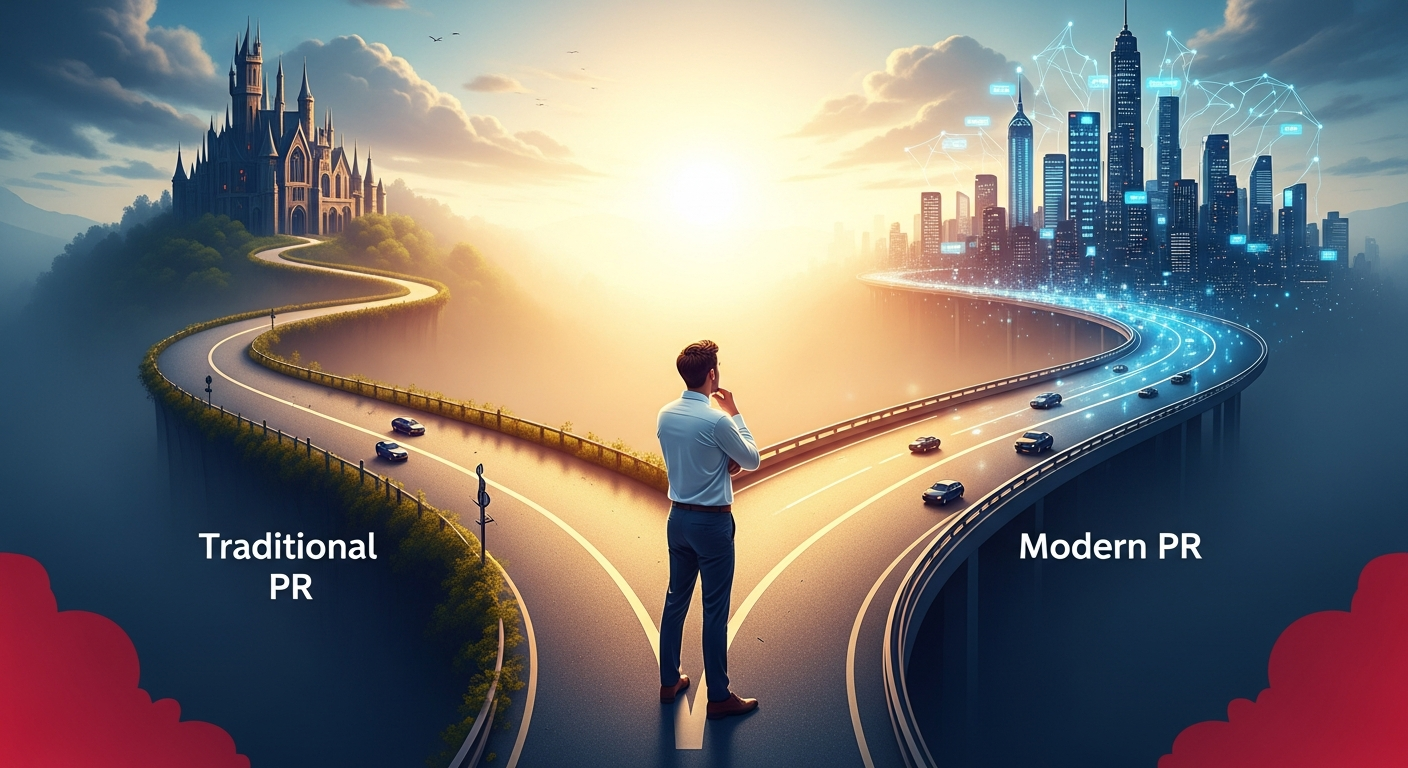
The notion that PR is exclusively for large corporations with massive budgets is outdated. For startups and solo consultants, a do-it-yourself (DIY) approach to PR is not only feasible but often highly effective, especially when supported by the right tools and strategies.
Empowering Founders: Taking Control of Your Narrative
DIY PR empowers you, the founder, to be the master of your own narrative. Rather than ceding control to an external agency, you can strategically identify your key messages, cultivate your brand voice, and directly engage with the audiences and media outlets that matter most. This hands-on approach ensures authenticity and allows for rapid iteration based on feedback and market response. It's about being proactive and strategic, not just reactive to media opportunities.
Fundamentals of Modern Media Outreach
While the goal isn't to chase every major publication, targeted media outreach remains a valuable component of modern PR. This involves identifying journalists, bloggers, podcasters, and influencers who genuinely cover your industry or niche. Crafting a compelling, personalized pitch that highlights a unique angle, offers valuable insights, or provides a solution to a current problem is crucial. Building authentic relationships with these media professionals over time, by consistently offering value and respecting their time, is far more effective than generic mass mailings. For a comprehensive guide on how to approach this, check out our resource on Media Pitching Fundamentals: Get Your Story Heard (Without a Publicist).
AI Tools: Streamlining Content Creation and Outreach
The advent of AI has been a game-changer for DIY PR. Tools like ToniPR are specifically designed to demystify and streamline the content creation process. By guiding you through PR-style interview questions, ToniPR captures your core message and automatically transforms your answers into various press-ready formats: quotes for media kits, draft articles, LinkedIn posts, and more. This significantly reduces the time and effort traditionally associated with content generation, allowing founders to focus on strategy and outreach rather than getting bogged down in writing. It makes high-quality, consistent content production accessible, even without a dedicated PR team. Discover how ToniPR can simplify your content creation at ToniPR — AI PR interviews.
When to DIY vs. When to Consider an Agency
The decision to DIY your PR or hire an agency isn't black and white. For early-stage startups and solo consultants, DIY is often the most cost-effective and agile path, especially with AI tools to assist. It allows you to build foundational credibility and learn invaluable communication skills. However, as your company scales, or if you need to manage a crisis, launch a major funding round, or target very specific, high-tier media, a specialized PR agency might be beneficial. The key is to understand your current needs, resources, and strategic goals. For a deeper dive into this decision, read our article on PR for Startups: When to Hire an Agency vs. DIY Your Media Outreach.
Building Ethical PR Habits for Long-Term Trust
Regardless of your approach, ethical PR practices are non-negotiable. Always prioritize transparency, honesty, and providing genuine value. Avoid exaggerated claims, misleading statistics, or sensationalism. Your credibility is your most valuable asset, and it can be shattered by a single misstep. Focus on building long-term trust through consistent, truthful communication and demonstrating tangible expertise. Ethical PR isn't just about avoiding pitfalls; it's about laying a solid foundation for sustainable growth and a respected brand reputation.
Building Credibility and Long-Term Impact (Beyond Vanity Metrics)
In the past, PR success was often measured by "vanity metrics" like the sheer number of media placements or the estimated readership of an article. While these can offer a superficial sense of achievement, modern PR for startups requires a deeper understanding of impact.
From Impressions to Influence: Redefining Success
The true measure of effective PR for a startup isn't just how many people saw your name, but how many were influenced by it. This means shifting your focus from raw impressions to metrics that demonstrate engagement, authority, and ultimately, business impact. Are people sharing your content? Are they commenting on your LinkedIn posts? Are potential customers citing your insights? Are investors taking note of your thought leadership? These are the indicators of genuine influence that translate into tangible benefits for your business, such as lead generation, partnership opportunities, and talent acquisition.
The Power of Consistency and Authentic Engagement
Building credibility and influence isn't a one-off event; it's an ongoing process. Consistent delivery of valuable insights, authentic engagement with your audience, and regular communication of your startup's progress and vision are critical. This means actively participating in industry conversations, responding thoughtfully to comments, and regularly sharing content that educates and inspires. Over time, this consistency reinforces your expertise and builds a loyal community around your brand, far more effectively than sporadic media splashes.
Cultivating a Founder-Friendly Brand Identity
Your PR efforts should consistently reinforce your brand's core values and mission. For founders, this means ensuring that your personal brand aligns seamlessly with your company's identity. Your unique story, challenges, and successes should be woven into your communication, creating a relatable and authentic brand image. This founder-friendly approach fosters a deeper connection with your audience, positioning your startup not just as a product or service, but as a movement driven by passionate individuals who genuinely care about solving problems.
Ethical PR as a Foundation for Growth
At every step, ethical PR must be the bedrock of your communication strategy. This commitment to honesty, transparency, and accuracy is paramount. Avoiding hype, exaggerations, and misleading claims ensures that your long-term reputation remains intact. Credibility is earned through genuine storytelling and demonstrable value, not through short-term media stunts. By upholding the highest ethical standards, you build a foundation of trust that supports sustained growth, attracts genuine advocates, and protects your brand from reputational damage.
Frequently Asked Questions About Startup PR Today
Is PR still relevant for early-stage startups, or should I focus only on marketing?
PR is absolutely still relevant for early-stage startups, and arguably more critical than ever. While marketing (paid ads, content marketing, SEO) focuses on direct promotion and lead generation, PR builds credibility, trust, and third-party validation. These are essential for early-stage companies trying to establish authority, attract investors, and earn customer loyalty. PR lays the foundation of your reputation, making your marketing efforts more effective in the long run. Modern PR, specifically, allows founders to build this credibility cost-effectively through owned media and strategic storytelling.
How much should a startup budget for PR in its first year?
The budget for PR in a startup's first year can vary widely. Traditional PR agencies can cost thousands monthly, which is often out of reach for early-stage companies. For DIY PR, your budget might be minimal, primarily investing your time and potentially subscribing to tools like ToniPR (which offers significant value for its cost by streamlining content creation). If you opt for some paid tools, a realistic budget could range from a few hundred to a couple of thousand dollars annually, focusing on subscriptions for media databases, AI content tools, or premium LinkedIn accounts. The key is to prioritize strategic content generation and targeted outreach over expensive retainers.
What's the main difference between modern PR for startups and traditional content marketing?
While both involve content, modern PR for startups primarily focuses on earning credibility and third-party validation, often by placing your story or insights within reputable external channels (earned media) or by positioning you as a thought leader. Content marketing, on the other hand, is typically owned media, designed to attract and retain customers through valuable, relevant, and consistent content directly on your platforms (e.g., blog posts, email newsletters). Modern PR often leverages content marketing assets, repurposing them for media outreach or thought leadership, making the two highly complementary rather than mutually exclusive.
Can a founder realistically do their own PR without prior experience?
Yes, absolutely. A founder can realistically do their own PR without prior experience, especially with the right guidance and tools. Your authenticity and deep understanding of your business are your greatest assets. Modern PR emphasizes leveraging your unique story and insights, which no one can do better than you. By focusing on learning basic media pitching fundamentals, understanding relevant platforms like LinkedIn, and utilizing AI-powered tools like ToniPR to streamline content creation, founders can effectively build visibility and credibility. It requires dedication and strategic thinking, but it's entirely achievable and often more impactful than outsourcing to an agency that might not fully grasp your vision.