
For solopreneurs, independent consultants, and small business owners, wearing multiple hats is the norm. Among the most critical of these is content creation. It's not just about "being online"; it's about strategically building credibility, demonstrating expertise, and fostering genuine connections that lead to client acquisition and lasting impact. Yet, the challenge is clear: how do you consistently produce high-quality content without a dedicated team or endless hours?
This guide dives into a practical, founder-friendly approach to content strategy for solopreneurs. We'll explore how to leverage your unique expertise, streamline your workflow, and build a powerful online presence—especially on platforms like LinkedIn—all while maintaining ethical PR habits and focusing on sustainable growth. Our aim is to help you maximize your impact while minimizing the time investment, turning your knowledge into your most valuable visibility asset.
The Solopreneur's Unique Challenge: Time, Resources, and Reach
As a solopreneur, your time is your most precious commodity. Every hour spent on marketing is an hour not spent serving clients, developing your core offering, or managing operations. This reality makes traditional, resource-intensive content marketing strategies untenable. You often lack the budget for extensive teams, fancy production, or broad advertising campaigns. Your reach, initially, is often limited to your immediate network. The key is to overcome these constraints with smart, targeted strategies that amplify your individual voice and expertise.
Beyond the Hype: Building Credible Visibility and Authority
In a noisy digital landscape, it's easy to fall into the trap of chasing trends or resorting to hype. However, for solopreneurs, long-term success hinges on something far more foundational: credibility. Your audience needs to trust your expertise, your judgment, and your authentic voice. Content, when crafted thoughtfully and consistently, is the most direct path to establishing this trust and positioning yourself as an authority in your niche. It's about demonstrating your value through insights, not just asserting it through claims. This approach not only attracts the right clients but also builds a resilient personal brand that stands the test of time.
The Foundation: Interview-Led Storytelling and Expertise Extraction
Your Expertise as Your Primary Content Asset
As a solopreneur, your unique knowledge, experience, and perspective are your greatest assets. These aren't just selling points; they are the raw material for compelling content. You've spent years honing your craft, solving complex problems, and observing industry trends. This deep well of expertise, when effectively articulated, becomes the bedrock of your content strategy for solopreneurs, differentiating you from competitors and resonating with your ideal audience. The challenge isn't a lack of content ideas; it's often extracting and structuring those ideas efficiently.
The Power of Interview-Driven Insights for Authentic Content
Think about how you naturally share your expertise: through conversations, consultations, and client interactions. These exchanges are rich with authentic insights, specific examples, and your true voice. Interview-driven content leverages this natural mode of communication. By engaging in structured "PR-style" interviews—either with a person or an AI tool like ToniPR—you can effectively "download" your brain, capturing your thoughts, opinions, and solutions in a coherent, actionable format. This process helps you articulate your unique value proposition and thought leadership more clearly than you might sitting down to write from scratch.
From Raw Answers to Press-Ready Outputs: A Streamlined Approach
The beauty of interview-led content is its efficiency. Once your insights are captured, they don't have to stay in audio or transcript form. Tools like ToniPR excel at transforming these raw answers into a variety of press-ready outputs: concise quotes for social media, detailed LinkedIn posts, blog articles, bios, and even FAQs. This streamlined approach minimizes the heavy lifting of content creation, allowing you to focus on sharing your knowledge rather than wrestling with formatting or endless revisions. It's a powerful way to build a strong personal brand through consistent, credible communication, as highlighted by Forbes in their piece on how to build your personal brand using PR.
Maximizing Impact: Efficient Content Creation and Repurposing Strategies
One of the core tenets of a successful content strategy for solopreneurs is maximizing the return on every piece of content you create. This means embracing efficient content creation and mastering the art of repurposing. You don't need to reinvent the wheel for every platform or every post; you need to intelligently adapt your core message.
The Repurposing Playbook: Get More From Less
Repurposing is the secret weapon for solopreneurs. It's about taking one substantial piece of content and transforming it into multiple formats suitable for different platforms and audiences. For example, a single in-depth interview or blog post can become:
- Several short, impactful quotes for Twitter or Instagram.
- A series of detailed LinkedIn content for solopreneurs posts, each focusing on a specific insight.
- Bullet points for an infographic or slide deck.
- A script for a short video or podcast segment.
- An email newsletter series.
This approach dramatically extends the life and reach of your content, ensuring that your valuable insights are seen by a wider audience without requiring constant, new content generation. For a deeper dive into making your content go further, explore our blog on time-saving strategies for content creation.
Batching and Streamlining Your Content Workflow
To truly achieve efficient content creation, incorporate batching into your workflow. Instead of creating one piece of content from start to finish, group similar tasks together. For instance:
- Interview Batching: Dedicate a specific block of time to conducting interviews or answering PR-style questions, generating a wealth of raw material.
- Drafting Batching: Once transcripts are ready, set aside time solely for drafting different content formats (e.g., all LinkedIn posts for the month, then all blog post outlines).
- Scheduling Batching: Use scheduling tools to plan out your content distribution across platforms for weeks or even months in advance.
Leveraging content calendars and templates further streamlines this process, reducing decision fatigue and ensuring consistency. Remember, the goal is sustainable content habits, not sporadic bursts of activity. Our guide on consistent content creation for entrepreneurs offers more insights into building these habits.
Turning Expertise into Evergreen Assets for Lasting Visibility
While timely content is important, a robust content strategy for solopreneurs emphasizes evergreen content. These are pieces that remain relevant and valuable to your audience over a long period, continuing to drive traffic and establish your authority months or even years after publication. Examples include "how-to" guides, foundational principles, common challenges and solutions, or deep dives into your core methodology. By investing in evergreen content, you create assets that continually work for you, serving as passive lead generators and demonstrating your ongoing expertise. Integrate basic SEO best practices into this process from the start—thinking about keywords and user intent—to ensure these assets rank well and attract organic traffic over time. Learn more about transforming your expertise into high-impact, evergreen content for SEO.
Building Authority: LinkedIn as Your Solopreneur Content Hub
For many solopreneurs, independent consultants, and B2B service providers, LinkedIn is not just a networking site; it's a critical platform for establishing professional credibility, showcasing expertise, and connecting with potential clients. A focused LinkedIn content for solopreneurs strategy is essential for building authority.
Crafting a Credible and Engaging LinkedIn Presence
Your LinkedIn profile is your professional storefront. It needs to be optimized to reflect your expertise, value proposition, and unique personality. Beyond a well-written summary and experience sections, consider:
- Professional Headshot and Banner: High-quality visuals make a strong first impression.
- Skills & Endorsements: Actively manage and seek endorsements for skills relevant to your niche.
- Recommendations: Request recommendations from past clients and colleagues to bolster your credibility.
- Featured Section: Showcase your best content, case studies, or media mentions.
An optimized profile acts as a landing page for anyone discovering your content, reinforcing your authority and making it easier for them to understand how you can help.
Effective Content Formats for LinkedIn Success
LinkedIn supports a variety of content formats, and a smart content strategy for solopreneurs utilizes them strategically:
- Text Posts: Short, insightful posts (150-250 words) with a clear call to action or question to spark conversation. These are great for sharing quick tips, observations, or thought-provoking questions.
- Articles: For longer-form content, LinkedIn articles are ideal. Repurpose blog posts or expand on a series of text posts into a comprehensive piece. These position you as a thought leader and can be highly shareable.
- Native Video: Short, engaging videos (1-3 minutes) where you share advice, respond to industry news, or offer behind-the-scenes glimpses. Native video often gets higher engagement.
- Documents/Carousels: Upload PDFs of presentations, reports, or multi-slide carousels (PDFs of images) to share visual information or step-by-step guides.
- Polls: A simple yet effective way to engage your audience and gather insights on industry trends or challenges.
Varying your content types keeps your feed dynamic and caters to different audience preferences. Remember, the goal is to provide value, spark conversation, and reinforce your expertise.
Engaging Your Professional Network and Expanding Your Reach
Content creation on LinkedIn isn't a one-way street. Active engagement is crucial for expanding your reach and positioning yourself as a thought leader. This involves:
- Commenting Thoughtfully: Engage with posts from industry peers, potential clients, and influencers. Offer genuine insights, ask clarifying questions, and contribute to the conversation.
- Responding to Comments: Acknowledge and respond to comments on your own posts, fostering a sense of community and encouraging further interaction.
- Joining Groups: Participate in relevant LinkedIn groups, sharing your expertise and learning from others.
- Connecting Strategically: Don't just collect connections; aim for meaningful connections with people who align with your professional goals.
By consistently providing value and actively participating, you'll naturally grow your professional network and establish a strong, credible presence within your industry niche.
Beyond the Post: Credibility, Consistency, and Ethical PR Habits
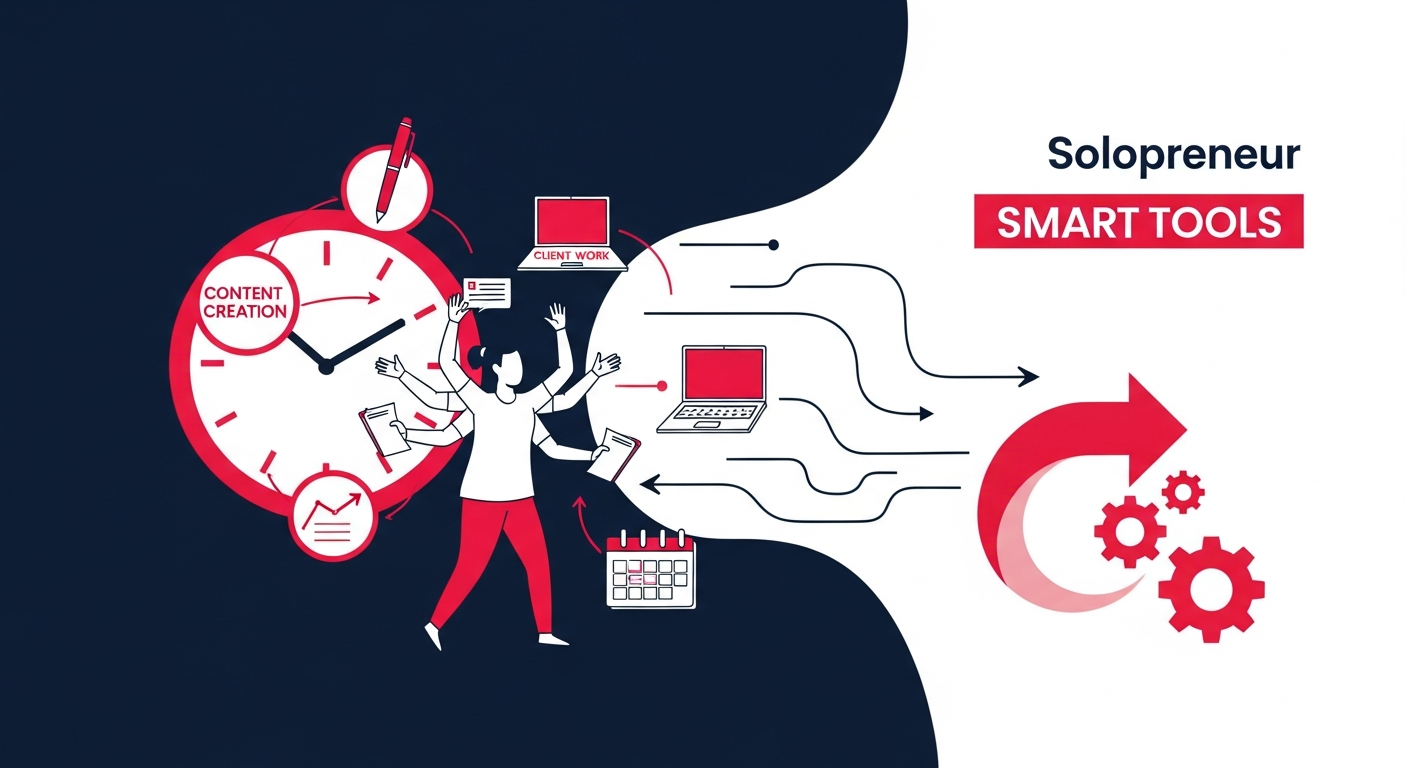
While individual pieces of content are important, the true power of a content strategy for solopreneurs lies in the cumulative effect of consistent, credible, and ethically produced content. This approach builds enduring trust and positions you for long-term success, far beyond the fleeting virality of any single post.
The Long Game of Credibility: Authenticity Over Virality
In an age of sensational headlines and clickbait, the temptation to chase virality can be strong. However, for solopreneurs, genuine credibility is a far more valuable currency. Authenticity means presenting your true self, your real expertise, and your honest opinions. It means providing genuine value, addressing real problems, and sharing insights without exaggeration or false promises. Your audience will quickly discern sincerity from manufactured hype. By focusing on authentic communication, you build a loyal following and attract clients who value your integrity as much as your expertise. This long-game approach ensures that your reputation strengthens with every piece of content, leading to sustainable growth rather than transient attention.
Staying Consistent Without Burnout: Sustainable Content Habits
Consistency is key, but it doesn't mean publishing daily or even weekly if that's not sustainable. For solopreneurs, time-saving content tips and realistic content schedules are paramount to avoiding burnout. It's better to publish high-quality content once a month reliably than to publish erratically and exhaust yourself. Implement strategies like:
- Content Calendars: Plan your content themes and publication dates in advance.
- Batching: As discussed, dedicate specific blocks of time to content creation tasks.
- Repurposing: Get maximum mileage from every piece of content.
- Leveraging Tools: Use AI-powered tools like ToniPR to streamline the initial content generation phase, significantly reducing the effort required to turn your thoughts into publishable material.
The goal is to establish a rhythm that works for you, ensuring a steady stream of valuable insights without compromising your core business activities or personal well-being.
Ethical Content Practices for Building Enduring Trust
Ethical PR and content practices are non-negotiable for building enduring trust. This means:
- Transparency: Clearly attribute sources, disclose any affiliations, and be honest about your capabilities.
- Accuracy: Ensure all facts, figures, and claims are thoroughly researched and accurate.
- Originality: Always present original thoughts and credit others appropriately. Avoid plagiarism in all forms.
- Value-Driven: Focus on providing genuine value to your audience, rather than solely self-promotion.
- Respectful Engagement: Maintain a professional and respectful tone in all communications, even when engaging in debates or addressing criticism.
By adhering to these principles, you not only protect your professional reputation but also cultivate a community of trust around your brand. A high-impact online presence is built on more than just content volume; it's built on integrity and authentic connection. For a comprehensive overview of maintaining a strong online presence, check out The Solopreneur's Checklist for High-Impact Online Presence.
Measuring Success and Adapting Your Content Strategy
A dynamic content strategy for solopreneurs isn't static; it evolves. To ensure your efforts are yielding results, it's crucial to measure what matters and be prepared to adapt.
What to Track: Focusing on Meaningful Metrics
For solopreneurs, "success" might look different than for a large corporation. Focus on KPIs that directly relate to your business goals:
- Engagement: Likes, comments, shares, and saves on social media posts. This indicates resonance.
- Website Traffic: How many people are visiting your website or specific blog posts?
- Lead Quality: Are your content efforts attracting inquiries from ideal clients? Track conversion rates from content to consultations or proposals.
- Audience Growth: Incremental increases in newsletter subscriptions, social media followers, or connection requests from relevant professionals.
- Time on Page/Bounce Rate: For articles, these metrics indicate how engaging your content is.
Resist the urge to get bogged down in vanity metrics. Instead, identify 2-3 key metrics that truly reflect your business objectives and focus your tracking there.
Iterating Based on Feedback and Performance
Your content strategy should be a living document. Regularly review your analytics (e.g., Google Analytics, LinkedIn post insights) to see what's performing well and what isn't. Pay attention to:
- Top-Performing Content: What topics, formats, and platforms resonate most? Double down on these.
- Underperforming Content: Why might certain pieces not be landing? Is the topic less relevant, the format unengaging, or the call to action unclear?
- Audience Feedback: Listen to comments, direct messages, and questions you receive. These are invaluable for identifying new content ideas and understanding your audience's pain points.
Use these insights to refine your approach. Perhaps your audience prefers video content over long-form articles, or certain topics consistently generate more engagement. Be agile and willing to adjust.
The Evolving Solopreneur Content Landscape
The digital landscape is constantly changing. New platforms emerge, algorithms shift, and audience preferences evolve. As a solopreneur, staying agile and responsive is a core component of a successful content strategy. Dedicate a small amount of time each month to:
- Industry News: Stay informed about changes in your niche.
- Platform Updates: Keep up with new features or algorithm changes on platforms you use heavily (e.g., LinkedIn).
- Competitor Analysis: Observe what your peers are doing well (or not so well) in their content efforts.
Continuous learning and adaptation aren't just about staying competitive; they're about ensuring your content remains relevant, impactful, and continues to serve your business goals in the most efficient way possible.
Frequently Asked Questions
How can solopreneurs create consistent content without a large team?
Solopreneurs can achieve content consistency by focusing on efficient content creation strategies. This includes leveraging their own expertise through interview-led content (using tools like ToniPR to extract insights), batching content creation tasks (e.g., writing all social media posts for the month in one sitting), and mastering content repurposing. Instead of always creating new content, transform a single piece (like a blog post) into multiple formats (quotes, LinkedIn posts, videos). Planning with a content calendar also helps maintain a steady rhythm without daily pressure.
What are the most effective ways for solopreneurs to repurpose content?
The most effective content repurposing strategies involve breaking down a substantial piece of content into smaller, platform-specific formats. For example, an in-depth blog post can be turned into a series of LinkedIn posts, an email newsletter, several social media graphics with key quotes, a short video discussing its main points, or even an FAQ section. The goal is to extract different angles and insights for different audiences and platforms, ensuring maximum reach from a single effort.
How can I use LinkedIn to build my professional credibility as a solopreneur?
To build professional credibility on LinkedIn, first optimize your profile to clearly showcase your expertise and value. Then, consistently share valuable LinkedIn content for solopreneurs, such as insightful text posts, longer articles, native videos, or document carousels, all related to your niche. Actively engage with other professionals' content by providing thoughtful comments, and respond to comments on your own posts. Consistently offering solutions and insights positions you as a thought leader and trusted expert.
What's the difference between content marketing and PR for a solopreneur?
For a solopreneur, content marketing is about creating and distributing valuable, relevant, and consistent content to attract and retain a clearly defined audience—essentially, owning your media. It's the articles you publish, the social posts you share, and the emails you send. Public Relations (PR), on the other hand, is about managing your public perception and building relationships with media and key influencers to earn third-party validation. While content marketing directly showcases your expertise, PR aims to get others (like journalists or industry leaders) to talk about your expertise. Both are crucial for building credible visibility, and tools like ToniPR bridge the gap by helping you generate press-ready content that can be used for both owned content marketing channels and for pitching to earned media opportunities.