In today's crowded digital landscape, standing out and building genuine credibility can feel like an uphill battle for solo consultants, small business owners, startup founders, agency leads, and creators. You're looking for practical, actionable strategies to gain visibility without the overhead of a full PR team or the empty promises of fleeting trends. Enter the business podcast: a powerful, interview-led storytelling platform that positions you as an authority, fosters authentic connections, and consistently generates press-ready content for your brand.
This comprehensive checklist will guide you through the essential phases of planning, producing, launching, and promoting your business podcast. We'll focus on practical steps, ethical practices, and how to leverage your podcast for maximum PR impact, transforming your conversations into valuable assets that speak directly to your audience and establish your thought leadership.
Why Launch a Business Podcast? The Credibility Advantage
Before diving into the "how," let's solidify the "why." A business podcast isn't just another content channel; it's a strategic investment in your brand's authority and connection with your audience. For founders and consultants, it’s a direct line to building trust and showcasing expertise.
The Power of Audio for Founders, Consultants & Creators
Audio storytelling offers an intimacy and authenticity that text or even video can struggle to match. Listeners invite your voice, and the voices of your guests, directly into their ears during commutes, workouts, or quiet moments. This creates a unique bond, fostering trust and familiarity over time. For solo operators and small teams, this personal connection is invaluable for nurturing a loyal audience and converting listeners into clients or customers.
Beyond the Hype: Real Business Impact & Audience Connection
Forget the hype cycles; the impact of business podcasting is measurable and growing. Consider these insights: B2B podcasting statistics reveal that senior executives are significant podcast listeners, using the medium for professional development and industry insights. This isn't just about entertainment; it's about reaching decision-makers and key stakeholders with valuable, actionable content. A well-produced business podcast establishes you as a consistent source of credible information, attracting an engaged audience eager to learn from your expertise.
The Interview Advantage for PR and Thought Leadership
One of the most potent aspects of a business podcast is its inherent ability to generate interview-led content. By hosting experts, clients, or industry leaders, you not only enrich your audience's experience but also create a consistent stream of diverse perspectives. This approach naturally lends itself to credible storytelling, moving beyond self-promotion to offer genuine value. Each interview becomes a foundational piece of content that can be repurposed into quotes, articles, LinkedIn posts, and more – all essential for a robust PR strategy. If you're looking for a deeper dive into the foundations, explore our guide on getting started with podcasting for your business.
Phase 1: Strategic Blueprinting for Your Business Podcast
Every successful podcast begins with a clear strategy. This phase is about laying the groundwork, ensuring your show has a purpose, a defined audience, and a sustainable content plan. Don't skip these critical steps; they're the foundation for credibility and long-term impact.
Defining Your Niche, Audience, and Core Purpose
Who are you trying to reach, and what problem are you solving for them? These are fundamental questions. Your podcast shouldn't be for everyone; it should be for someone specific. Identify your ideal listener – their demographics, their challenges, their aspirations. What unique insights can you offer that address their pain points? Your core purpose should align directly with your business goals, whether it's lead generation, brand awareness, or establishing thought leadership. For creators, especially, understanding your niche is paramount to success; learn more about how creators can turn niche expertise into a thriving audience.
Crafting Your Podcast's Unique Value Proposition and Angle
In a sea of podcasts, yours needs to stand out. What makes it different? Is it your unique perspective, a specific format, or an underserved niche? Develop a compelling value proposition that clearly communicates what listeners will gain from tuning in. This isn't just about your topic, but your angle – the unique lens through which you approach it. This distinct voice and perspective will be your brand's signature.
Content Pillars, Episode Formats, and Interview Strategy
Once your niche is clear, plan your content. What are the 3-5 main themes or "content pillars" your podcast will consistently explore? These should directly relate to your audience's needs and your business expertise. Next, consider your episode format: will it be solo commentary, co-hosted discussions, or primarily interviews? For building credibility and generating PR-ready content, an interview-led approach is highly effective. Plan how frequently you'll release episodes and create a consistent structure for each episode (intro, main segment, call to action, outro). An interview strategy is key for unlocking diverse insights and establishing yourself as a central figure in your industry. This strategic thinking also ties directly into broader entrepreneurial thought leadership in media.
Phase 2: Essential Gear & Production Workflow
You don't need a professional studio to launch a high-quality business podcast, but investing in a few key pieces of equipment and understanding a practical workflow will ensure your audio is clear, consistent, and credible. Remember, good audio is paramount for listener retention.
Core Equipment for Clear, Professional Audio
The most critical component is your microphone. A good USB microphone (like the Blue Yeti, Rode NT-USB+, or Shure MV7) is an excellent starting point for founders and consultants. Pair this with comfortable, over-ear headphones to monitor your audio and prevent echo. While not strictly "equipment," a quiet recording space is equally important. Minimize background noise, reverberation, and interruptions. You can create a surprisingly effective home studio with blankets, pillows, or even a closet to dampen sound.
Recording & Editing Best Practices for Founders
For recording, simple software like Audacity (free), GarageBand (Mac), or more advanced options like Adobe Audition or Descript are widely used. Familiarize yourself with basic recording etiquette: speak clearly, manage your distance from the mic, and avoid sudden movements. For editing, focus on removing long pauses, "ums" and "ahs," and any major audio glitches. Basic editing doesn't require advanced skills; many tools offer intuitive interfaces. The goal is a smooth listening experience, not necessarily a Hollywood production. If you're conducting remote interviews, consider platforms like Riverside.fm or Zencastr, which record separate audio tracks for each speaker, making editing much easier.
Hosting, Distribution & Understanding Analytics
Once your episode is edited, you need a podcast host. This service stores your audio files and generates an RSS feed, which is how your podcast gets distributed. Popular hosts include Buzzsprout, Libsyn, Transistor, and Captivate. Choose one that fits your budget and offers features like analytics, which are crucial for understanding your audience. Submit your RSS feed to major podcast directories like Apple Podcasts, Spotify, Google Podcasts, and Amazon Music. Once live, pay attention to your host's analytics dashboard. Track downloads, listener demographics, and popular episodes. These metrics provide valuable insights into what resonates with your audience, allowing you to refine your content strategy over time.
Phase 3: Mastering Interview Content & Storytelling
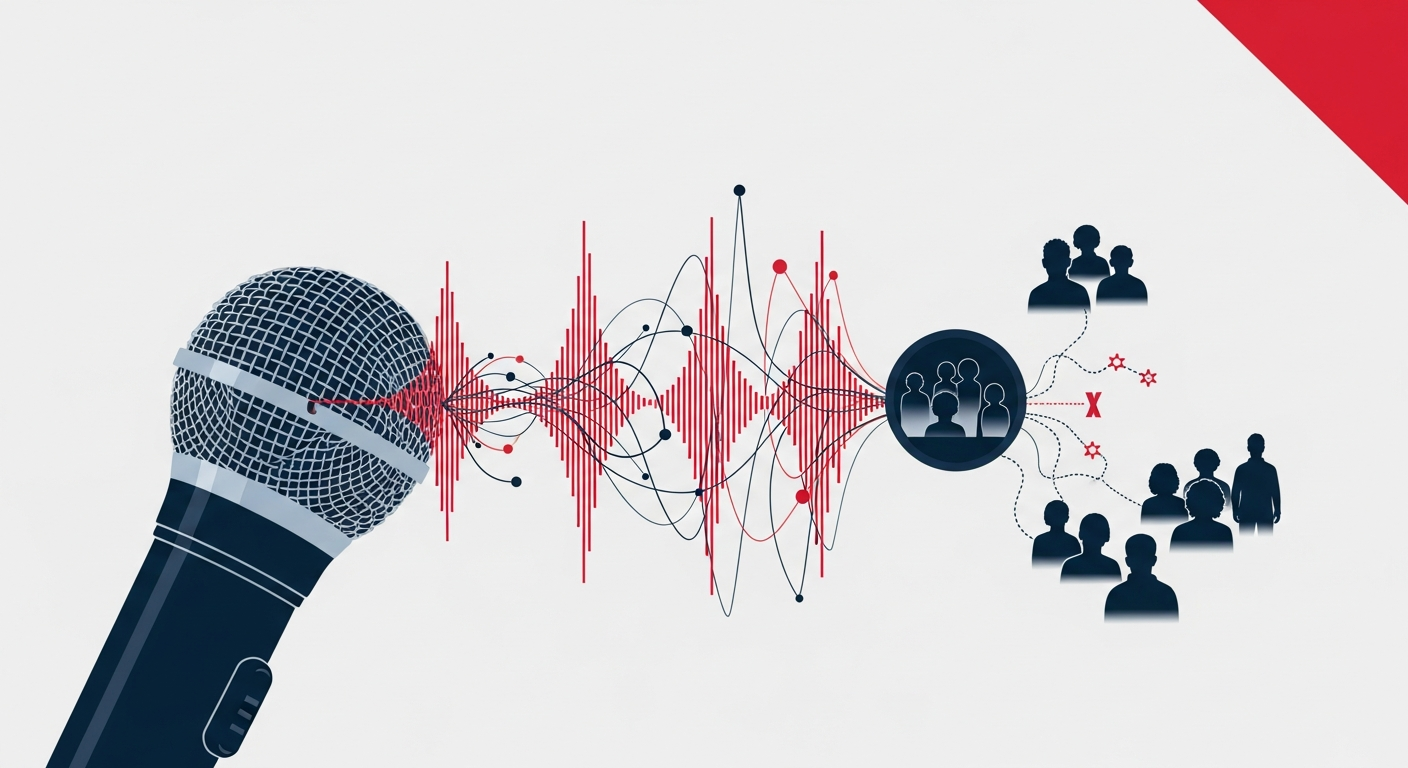
The heart of a powerful business podcast, especially for PR and thought leadership, lies in its ability to facilitate compelling, interview-led storytelling. This isn't just about asking questions; it's about crafting conversations that reveal insights, build trust, and offer genuine value.
Sourcing, Vetting, and Preparing Your Guests
Your guests are critical to your podcast's credibility. Strategically identify individuals who bring unique expertise, relevant experiences, or diverse perspectives that align with your content pillars and audience interests. Reach out with a clear, concise invitation that explains your podcast's mission and what you hope to discuss. Once a guest agrees, provide them with a pre-interview brief that includes potential discussion points, your podcast's format, and any technical requirements. A well-prepared guest leads to a much more engaging conversation. Look for guests who are not only knowledgeable but also articulate and capable of sharing their story in an engaging way.
Structuring Engaging Conversations for Maximum Impact
While interviews should feel natural, a loose structure is essential to keep the conversation flowing and focused. Start with an intriguing hook or a brief introduction of your guest. Guide the discussion through a series of open-ended questions designed to elicit stories, examples, and actionable advice, rather than simple "yes" or "no" answers. Don't be afraid to dig deeper, ask "why," or follow an unexpected tangent if it serves the conversation. Aim for a narrative arc – a beginning, middle, and end – that leaves listeners with a clear takeaway. Remember to integrate your own expertise thoughtfully, adding to the discussion rather than dominating it.
Ethical Storytelling, Authenticity & Credibility
For ToniPR's audience, authenticity and credibility are paramount. Your podcast is a platform for genuine narratives, not thinly veiled promotions. Emphasize ethical storytelling by always seeking informed consent from your guests, accurately representing their views, and ensuring your content is factually sound. Encourage guests to share their personal journeys, challenges, and lessons learned, as these human elements resonate deeply with listeners and build trust. Avoid sensationalism or hyperbole. The goal is to provide valuable insights and perspectives that genuinely help your audience, thereby establishing your brand as a reliable and respected voice in your industry. This approach aligns perfectly with the art of business storytelling for engaging your audience and building credibility.
Phase 4: Launch, Promote & Repurpose for Maximum PR Impact
Launching your podcast is just the beginning. To truly leverage its potential for credibility and visibility, you need a robust promotion strategy and a clear plan for repurposing your interview content into diverse, press-ready assets.
Building Pre-Launch Momentum & Initial Promotion
Don't wait until your first episode is live to start promoting. Build anticipation by creating a trailer, designing engaging cover art, and teasing upcoming guests on your social media channels and email list. Leverage your personal and professional networks, inviting them to subscribe and share. On launch day, make a splash! Announce your podcast across all your platforms, encourage listeners to subscribe, rate, and review, as these early actions significantly boost visibility in podcast directories. Consider a "launch party" or a special launch week with multiple episodes to give new listeners plenty to dive into.
Sustained Marketing & Audience Growth Strategies
Podcast promotion is an ongoing effort. Beyond the initial push, consistently share new episodes on social media, in newsletters, and on your website. Encourage guests to promote their episodes to their own networks for cross-pollination. Utilize SEO best practices for your podcast titles, episode descriptions, and show notes, incorporating relevant keywords to improve discoverability. Explore opportunities for guest appearances on other podcasts within your niche – a fantastic way to reach new audiences. Consider running targeted social media ads or collaborating with complementary businesses. The key is consistency and diverse outreach, growing your audience organically and ethically.
Transforming Podcast Interviews into Press-Ready Assets
This is where your business podcast becomes a true PR powerhouse. Each interview is a treasure trove of content that can be repurposed into numerous formats, extending its reach and impact far beyond the audio file. Think about pulling out compelling quotes for LinkedIn posts or Twitter threads. Transcribe episodes to create blog posts, articles, or whitepapers, expanding on key themes discussed. A single interview can yield multiple pieces of content, including:
- Quotes: Perfect for social media graphics or email newsletters.
- Key Insights: Summarized into short blog posts or LinkedIn articles.
- Full Transcripts: Valuable for SEO and accessibility on your website.
- Video Clips: Snippets for social media (if you record video).
- "Best Of" Segments: Curated into highlight reels.
This systematic repurposing ensures that your hard-earned content continues to work for you, providing a consistent stream of credible, valuable material. This is precisely where a tool like ToniPR shines, helping founders and consultants turn these rich interview conversations into polished, press-ready outputs like quotes, articles, and LinkedIn posts, streamlining your PR efforts without needing a full team.
Frequently Asked Questions
Launching a business podcast can bring up many practical questions. Here are answers to some common inquiries from founders, consultants, and creators.
How long should a business podcast episode be?
There's no single "right" answer, as it depends on your content, audience, and format. However, for business podcasts, a sweet spot often ranges from 20-45 minutes. This length is usually sufficient to delve into a topic or conduct a meaningful interview without demanding too much of a busy listener's time. Consistency is more important than hitting an exact time target; if your content requires more or less time, adjust accordingly, but strive for predictability.
What's the most important piece of equipment for a new business podcast?
Without a doubt, the most important piece of equipment is a good quality microphone. While a quiet recording environment is also crucial, a decent microphone (like a USB condenser mic) will make the biggest difference in your audio quality. Clear, crisp audio conveys professionalism and respect for your listeners' time, ensuring your message is heard without distraction. You can always upgrade other gear later, but start with solid audio input.
How can a podcast specifically help with PR for a small business or consultant?
A podcast is a powerful PR engine for several reasons:
- Establishes Credibility: Consistently sharing expert insights and interviewing industry leaders positions you as an authority.
- Generates Interview-Led Content: Each episode is a rich source of quotes, stories, and expertise that can be repurposed into articles, LinkedIn posts, and media pitches.
- Builds Relationships: Hosting guests creates networking opportunities and strengthens professional ties.
- Demonstrates Thought Leadership: It gives you a platform to express nuanced opinions and contribute to industry conversations.
- Provides Repurposable Assets: The raw material from interviews can be easily transformed into various press-ready formats, enabling consistent visibility.
It's about creating a consistent stream of valuable, shareable content that reinforces your expertise and narrative.
Do I need a large existing audience for my business podcast to be successful?
No, you absolutely do not need a large existing audience to start a successful business podcast. In fact, a podcast can be one of the most effective ways to build an audience from scratch. Success is less about initial numbers and more about consistency, delivering high-quality content, and targeting the right niche. Focus on serving your ideal listener with valuable insights, and your audience will grow organically over time. Leverage your guests' networks, cross-promote, and utilize SEO for discoverability. A strong, engaged niche audience is far more valuable than a large, unengaged general one.
Conclusion: Your Podcast, Your Credibility Engine
Launching a business podcast is a strategic undertaking that offers unparalleled opportunities for solo consultants, small business owners, startup founders, agency leads, and creators to build credibility, establish thought leadership, and connect authentically with their audience. By embracing an interview-led approach, you not only enrich your content but also create a consistent, ethical pipeline for press-ready material.
This isn't about chasing fleeting trends or making empty promises of guaranteed media placements. It's about committing to sustained, valuable storytelling that positions you as a trusted expert. Your podcast becomes a powerful content engine, transforming conversations into quotes, articles, LinkedIn posts, and more – all essential for building credible visibility without needing a large PR team.
Take this checklist, apply its practical steps, and embark on your podcasting journey. You're not just launching a show; you're building a lasting legacy of credible content and authentic connections that will serve your business for years to come. Start telling your story, and let your voice be the foundation of your future PR success.