Introduction: Why Founder Credibility is Your Most Valuable Asset
In today's dynamic digital landscape, a founder's credibility isn't just a nice-to-have; it's a critical business asset. For solo consultants, small business owners, startup founders, agency leads, and creators, establishing a strong, trustworthy online presence can be the differentiator that attracts clients, partners, and talent. It's about more than just visibility; it's about building genuine trust that converts into lasting relationships and opportunities.
The New PR Landscape for Founders and Consultants
The traditional PR model, often reliant on large budgets and extensive agency teams, is out of reach for many founders and consultants. Yet, the need for public relations has never been greater. We live in an era where consumers and clients increasingly seek authenticity and direct connection. They want to know the person behind the product or service, understand their 'why,' and trust their expertise. This shift has created a new PR landscape where the founder's authentic voice and story are paramount. The challenge, however, lies in gaining this visibility and fostering trust without the luxury of a dedicated PR department or a sprawling marketing budget.
Beyond the Hype: Building Genuine Trust and Authority
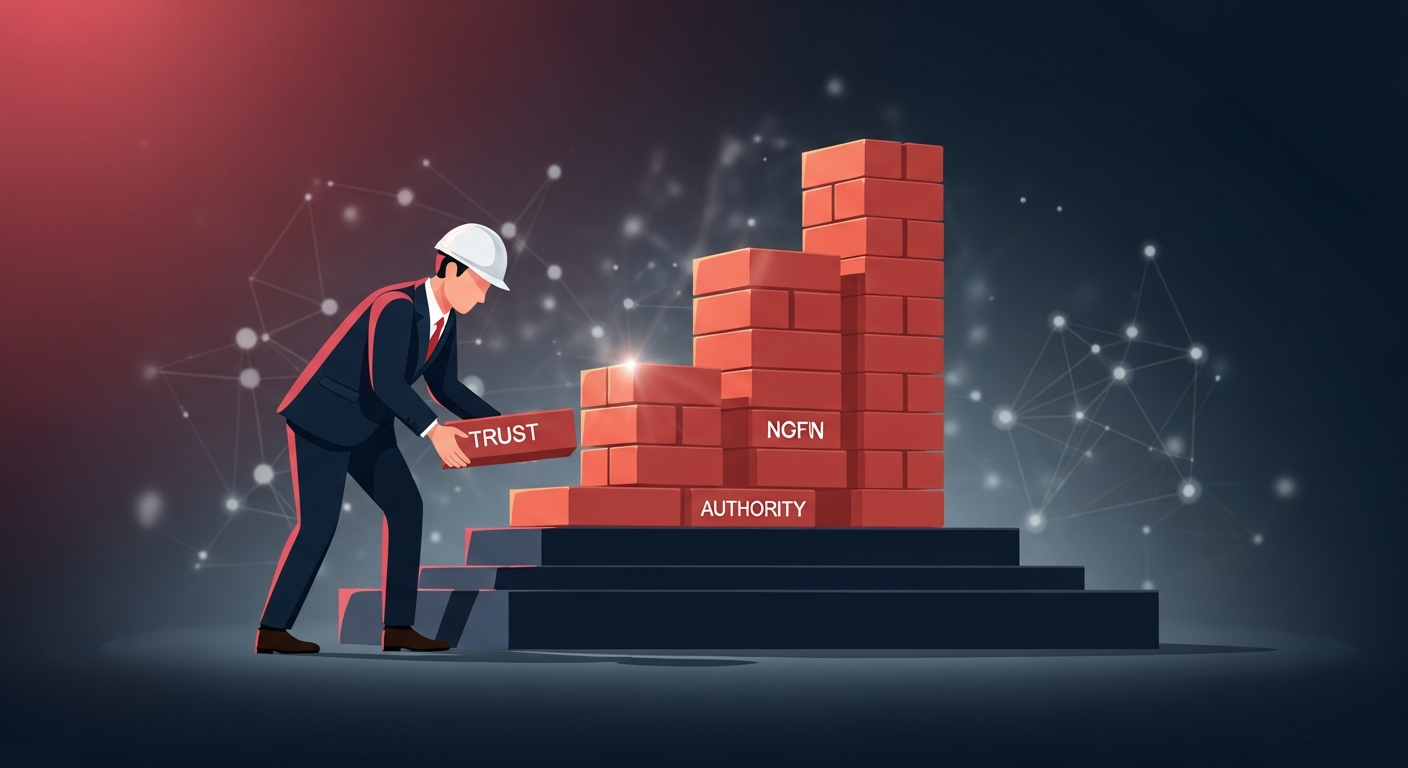
Many online strategies promise quick wins, viral fame, or instant authority. However, genuine credibility is built on a foundation of authenticity, consistent value, and ethical communication, not fleeting hype. It's a long-term asset that compounds over time, reflecting your expertise, integrity, and commitment to your audience. This post will guide you through practical, interview-led strategies that empower you to cultivate lasting trust and authority online, transforming your unique story into your most powerful PR tool. It's about establishing yourself as a respected voice in your industry, brick by brick, through intentional and authentic engagement.
The Foundation: Cultivating Your Authentic Founder Story
Before you can build an impactful online presence, you must first understand and articulate your unique founder story. This isn't just about your company's mission statement; it's about your personal journey, your motivations, and the core values that drive your work. This narrative is the bedrock of your credibility.
Why Your Unique Story Matters More Than Corporate Messaging
In a world saturated with corporate jargon and generic marketing speak, personal narratives cut through the noise. People connect with people, not logos. Your unique story—your challenges, triumphs, lessons learned, and the passion that fuels your business—resonates on a deeper, more emotional level with audiences. It humanizes your brand, making it relatable and memorable. When you share your journey, you invite others to become part of it, fostering a sense of connection and loyalty that no amount of polished corporate messaging can achieve.
Identifying Your Core Message, Expertise, and Values
To articulate your story effectively, you need to distill its essence. Start by identifying your core message: What is the single most important thing you want people to know about you and your business? Next, pinpoint your expertise: What specific problems do you solve, and what unique insights do you bring to your industry? Finally, clarify your values: What principles guide your decisions and define your approach? These elements form the pillars of your personal brand and should be consistently reflected in all your online communications. Taking the time to craft your professional narrative and understand your unique value proposition is the first step towards building a truly authoritative online presence. For a comprehensive guide, explore our playbook on Building Credibility Online: A Playbook for Authors and Experts.
The Undeniable Impact of Founder-Led Marketing
Your direct involvement in marketing and communicating your brand's message is incredibly powerful. This approach, often called founder-led marketing, fosters a direct connection with your audience, building trust and rapport faster than traditional methods. When you, as the founder, openly share your vision, expertise, and passion, you position yourself as a thought leader and an authentic voice in your niche. This leadership not only attracts customers but also inspires employees, partners, and investors. Research consistently shows that founder-led marketing significantly enhances credibility and drives results because it leverages the most genuine asset a company has: its creator's vision and voice. To dive deeper into this concept, check out this article on Why Founder-Led Marketing Works to Build Trust and Drive Results.
Interview-Led Content: Transforming Conversations into Credible Assets
Once you've cultivated your authentic founder story, the next step is to transform it into tangible, credible content. This is where interview-led content creation shines, offering an efficient and authentic way to generate press-ready outputs.
The Power of the Structured Interview Format for Storytelling
A structured interview format is an incredibly effective tool for unearthing authentic, unscripted responses. Unlike trying to write from a blank page, answering targeted questions prompts you to articulate your thoughts, experiences, and expertise naturally. This Q&A approach encourages a conversational tone, which is inherently more engaging and believable than heavily edited, corporate prose. It helps you articulate your unique perspective, share anecdotes, and explain complex ideas in an accessible manner, revealing the human element behind your business. The resulting content feels genuine because it truly comes from you, in your own words.
Extracting Press-Ready Quotes, Insights, and Narratives
The beauty of interview-led content lies in its versatility. From a single interview, you can extract a wealth of valuable material. Techniques for identifying compelling soundbites involve listening for concise, impactful statements that encapsulate a key idea or a strong opinion. Look for actionable advice, unique perspectives, and powerful anecdotes that illustrate your points. These can be pulled directly as press-ready quotes for social media, or expanded into longer narratives for blog posts or articles. This process streamlines content creation, ensuring that your core message is consistently communicated across various platforms while maintaining authenticity.
Efficient Content Creation: From Interview to Multiple Outputs
The strategic advantage of interview-led content is its efficiency in generating multiple content assets from a single source. Imagine recording an interview about a key industry trend or a recent business achievement. From that conversation, you can:
- Extract direct quotes for LinkedIn posts or Twitter threads.
- Transcribe and edit sections into a blog post or an article for your website.
- Develop an "About Us" or "Meet the Founder" section for your website, rich with personal insights.
- Craft a compelling bio for speaking engagements or media opportunities.
- Formulate answers for a "Frequently Asked Questions" section based on common inquiries.
This repurposing strategy maximizes your effort and ensures a consistent, credible voice across all your communication channels. Tools like ToniPR are designed precisely for this purpose, simplifying the process of transforming your recorded answers into press-ready outputs, making sophisticated content creation accessible even for solo operators and small teams. For more on creating a sustainable flow of content, explore our guide on The Business Owner's Guide to Consistent Content Creation.
Strategic Distribution: Amplifying Your Voice Across Key Platforms
Creating compelling, credible content is only half the battle; the other half is ensuring it reaches the right audience. Strategic distribution is key to amplifying your voice and building visibility where it matters most.
LinkedIn as Your Primary Professional Visibility Hub
For founders, consultants, and business owners, LinkedIn stands out as the most crucial professional platform for building credibility. It's not just a resume site; it's a powerful publishing platform, a networking hub, and a direct channel to your target audience, industry peers, and potential partners. To optimize your LinkedIn presence:
- Complete Your Profile: Ensure your profile is 100% complete, showcasing your expertise, experience, and most importantly, your founder story. Use a professional headshot and a compelling summary.
- Engage Actively: Don't just post; engage with others' content. Comment thoughtfully on industry news, congratulate achievements, and participate in relevant discussions.
- Share Value: Position yourself as a thought leader by regularly sharing insights, industry trends, and practical advice.
- Connect Strategically: Build a network of relevant professionals, clients, and influencers.
Your LinkedIn presence is often the first impression a potential client or media contact has of you, making its optimization paramount for building founder credibility online. Dive deeper into specific strategies with our guide: LinkedIn for Founders: Strategies to Boost Your Professional Visibility.
Crafting Engaging Posts, Articles, and Thought Leadership Content
LinkedIn offers various formats for content, each serving a distinct purpose:
- Short-form Posts: Ideal for quick insights, industry news reactions, or sharing a recent win. Keep them concise, use relevant hashtags, and include a clear call to action or question to encourage engagement.
- Long-form Articles: For deeper dives into a topic, thought leadership pieces, or case studies. These allow you to demonstrate extensive knowledge and position yourself as an authority. Structure them with clear headings, bullet points, and a compelling narrative.
- Video Content: Short videos (even just you speaking directly to the camera) can be incredibly engaging and help convey your personality and authenticity.
The key is to consistently provide value, share your unique perspective, and foster meaningful conversations. Remember, ethical content sharing means giving credit where credit is due and focusing on providing genuine insights rather than overtly promotional material.
Beyond LinkedIn: Exploring Other Relevant Channels for Founders
While LinkedIn is primary, other channels can complement your visibility strategy, depending on your industry and audience:
- Niche Blogs and Industry Publications: Contributing guest posts or articles to respected industry blogs or online publications can significantly boost your credibility and reach a highly targeted audience.
- Industry-Specific Forums and Online Communities: Active participation in forums where your target audience congregates allows you to answer questions, offer expertise, and build a reputation as a helpful and knowledgeable professional.
- Podcasts: Appearing as a guest on relevant podcasts can expose you to new audiences and establish your voice as an expert.
- Email Newsletter: Building your own email list allows for direct, controlled communication with your most engaged audience, nurturing relationships and sharing exclusive insights.
The goal is to be present and active where your audience is, consistently delivering valuable content that reinforces your expertise and trustworthiness.
DIY PR & Ethical Outreach: Earning Media Attention Responsibly
Gaining media attention can significantly amplify your credibility, but it requires a strategic, ethical approach. For founders without a PR firm, DIY PR is entirely achievable with the right mindset and tools.
Demystifying the Media Landscape for Founders
The media landscape can seem daunting, but it's fundamentally about storytelling and relevance. Journalists are always looking for compelling stories that will engage their audience. Your first step is to identify media outlets and journalists who cover your industry, your specific niche, or topics related to your expertise. Research their past articles, understand their focus, and identify what kind of stories they typically feature. This targeted approach is far more effective than generic mass outreach. Look for local publications, industry trade journals, niche online blogs, and even podcasts that align with your business and expertise. Understanding their needs and audiences is crucial to successful outreach.
Crafting Value-Driven Pitches: What Journalists Actually Look For
Journalists are not looking for advertisements; they are looking for stories that provide value to their readers. When crafting a pitch, focus on the news value, the unique insight, or the compelling human interest aspect of your story. Ask yourself:
- What problem does my story solve for the reader?
- What unique trend or perspective can I offer?
- Is there a timely hook (e.g., related to current events, holidays, or industry reports)?
- Do I have data, anecdotes, or case studies to support my claims?
Your pitch should be concise, compelling, and clearly articulate the value proposition for the journalist's audience. Avoid jargon and focus on a clear, engaging narrative. Remember, you're offering a story, not just promoting your business. For actionable strategies to develop compelling pitches, refer to our playbook on How to Get Featured in Top Publications Without a PR Agency.
Building Genuine Relationships, Not Just Sending Blasts
Effective DIY PR is less about sending out hundreds of identical press releases and more about building genuine relationships. Personalize every outreach. Reference a journalist's recent article, explain why your story is a good fit for their specific beat, and demonstrate that you've done your homework. Follow best practices for media outreach:
- Be Respectful of Time: Keep emails concise and to the point.
- Provide Value Upfront: Clearly state the story idea and why it's relevant.
- Be Responsive: If a journalist expresses interest, respond promptly and provide any requested information efficiently.
- Manage Expectations: Not every pitch will land. Be persistent but polite, and understand that timing and fit are crucial.
Crucially, maintain transparency and ethical communication at all times. Honesty and integrity are the cornerstones of lasting media relationships and, ultimately, your founder credibility.
Sustaining Credibility: Consistency and Long-Term Strategy
Building founder credibility online is not a one-time project; it's an ongoing commitment. Sustainable credibility comes from consistent effort, a long-term strategic outlook, and a willingness to evolve your narrative.
The Compounding Effect of Consistent Content and Presence
Think of credibility like a savings account: small, consistent deposits over time lead to significant growth. Regular content creation, whether it's weekly LinkedIn posts, monthly blog articles, or quarterly media pitches, creates a compounding effect. Each piece of content reinforces your expertise, expands your reach, and solidifies your reputation. Conversely, inconsistency can erode trust and make it harder for your audience to perceive you as a reliable source of information. By showing up consistently, you demonstrate dedication, reliability, and an enduring commitment to your field, all of which are vital components of strong credibility.
Measuring Impact Beyond Vanity Metrics: Focusing on Trust and Engagement
In the digital age, it's easy to get caught up in vanity metrics like follower counts, likes, or website hits. While these can offer a superficial view of reach, they don't necessarily reflect genuine credibility or trust. Instead, focus on metrics that indicate deeper engagement and relationship building:
- Comments and Discussions: Are people engaging with your content, asking questions, and starting conversations?
- Shares and Saves: Are people finding your content valuable enough to share with their network or save for future reference?
- Direct Messages and Inquiries: Are people reaching out to you directly for advice, collaborations, or business opportunities?
- Referrals: Are clients and partners referring others to you based on your visible expertise?
- Media Mentions (earned): Are reputable publications citing you as an expert?
These indicators provide a more accurate picture of how your efforts are translating into genuine influence and trust within your community.
Evolving Your Narrative: Adapting as Your Business Grows
As your business matures, expands, or even pivots, your founder narrative should evolve with it. What was relevant at the seed stage might need refinement as you scale or enter new markets. Regularly revisit your core message, expertise, and values. Are they still aligned with your current vision and offerings? Be prepared to update your bio, refresh your content topics, and adjust your storytelling to reflect your growth and new insights. This adaptability shows dynamism and foresight, further enhancing your credibility. Remember, building credibility is a continuous journey, built brick by brick, through consistent, authentic interaction, and a willingness to grow alongside your business and your audience.
Frequently Asked Questions
How long does it typically take for a founder to build significant online credibility?
Building significant online credibility is a marathon, not a sprint. While initial visibility can be gained within a few months of consistent effort, genuine, deep-seated credibility that translates into trust and authority typically takes 12 to 24 months, or even longer. This timeframe allows for the compounding effect of consistent content creation, strategic engagement, and the natural development of a strong personal brand. Factors like the competitiveness of your industry, the uniqueness of your expertise, and the consistency of your outreach all play a role. It's important to focus on sustained, authentic effort rather than expecting overnight results.
What's the most effective platform for a solo founder or consultant to start building credibility?
Without a doubt, LinkedIn is the most effective platform for a solo founder or consultant to begin building credibility. It serves as a professional hub where your target audience, industry peers, and potential collaborators are actively engaged. Its features support both short-form updates and long-form articles, allowing you to showcase your expertise in various ways. Optimizing your profile, consistently sharing valuable insights, and actively engaging with your network on LinkedIn provides the strongest foundation for professional visibility and trust. Once a solid presence is established there, you can strategically expand to other relevant platforms.
Can small businesses truly compete with larger companies for online visibility and trust?
Absolutely, small businesses can not only compete but often excel in building online visibility and trust compared to larger companies. The key differentiator is authenticity and the founder's direct involvement. Larger companies often struggle with being perceived as impersonal or overly corporate. Small businesses, especially those leveraging founder-led marketing, can offer a more personal, relatable, and human connection. By sharing their unique story, expertise, and values directly, founders can build a level of trust and loyalty that extensive marketing budgets often fail to achieve. Focus on niche expertise, genuine engagement, and consistent value, and you can carve out significant online credibility.
What are common mistakes founders make when trying to establish online credibility, and how can they be avoided?
Founders often stumble in a few key areas when trying to build online credibility:
- Inconsistency: Posting sporadically or abandoning efforts after a few weeks. Avoid by creating a realistic content schedule and committing to it, understanding that consistency is key.
- Being Overly Promotional: Focusing solely on selling rather than providing value. Avoid by adopting an "educate and empower" mindset; share insights, solve problems, and build relationships first.
- Lack of Authenticity: Trying to sound like someone else or using generic, corporate language. Avoid by embracing your unique voice, sharing personal anecdotes, and letting your true personality shine through.
- Ignoring Engagement: Posting content but not responding to comments or engaging with others. Avoid by actively participating in conversations, asking questions, and fostering a community around your content.
- Chasing Vanity Metrics: Prioritizing likes and follower counts over meaningful engagement and conversions. Avoid by focusing on qualitative feedback, deeper interactions, and the actual business impact of your efforts.
By being mindful of these pitfalls and prioritizing genuine, value-driven interactions, founders can build a robust and lasting online credibility.