For solo consultants, small business owners, startup founders, agency leads, and creators, gaining credible visibility is paramount. You have a compelling story, a unique solution, and a passion for what you do. But how do you effectively communicate that to journalists, influencers, and potential partners without a dedicated PR team?
The answer often lies in a well-crafted media kit. More than just a collection of documents, a media kit is your brand's curated narrative, designed to build trust, establish authority, and make it incredibly easy for others to feature you. This guide will walk you through the process of crafting a media kit that truly stands out, positioning your brand for success.
Introduction: Beyond the Checklist – Why Your Media Kit Matters
What is a Media Kit and Why Do You Need One?
At its core, a media kit is a comprehensive package of information about your company, product, or service, specifically designed for media professionals. Think of it as your brand's resume and portfolio combined, tailored for journalists, bloggers, podcasters, and event organizers. It's not just a collection of documents; it's your brand's curated story, meticulously put together to build trust and authority.
For founders, consultants, and SMBs, a media kit is an incredibly powerful tool to gain credible visibility, often without the substantial investment required for a dedicated PR team. It acts as an always-on spokesperson, providing all the essential details a journalist needs to write an accurate, engaging, and positive story about your brand. By anticipating their needs, you position yourself as an expert, making it easy for them to understand your value proposition and feature you effectively.
Media Kit vs. Press Kit: Clarifying the Terms
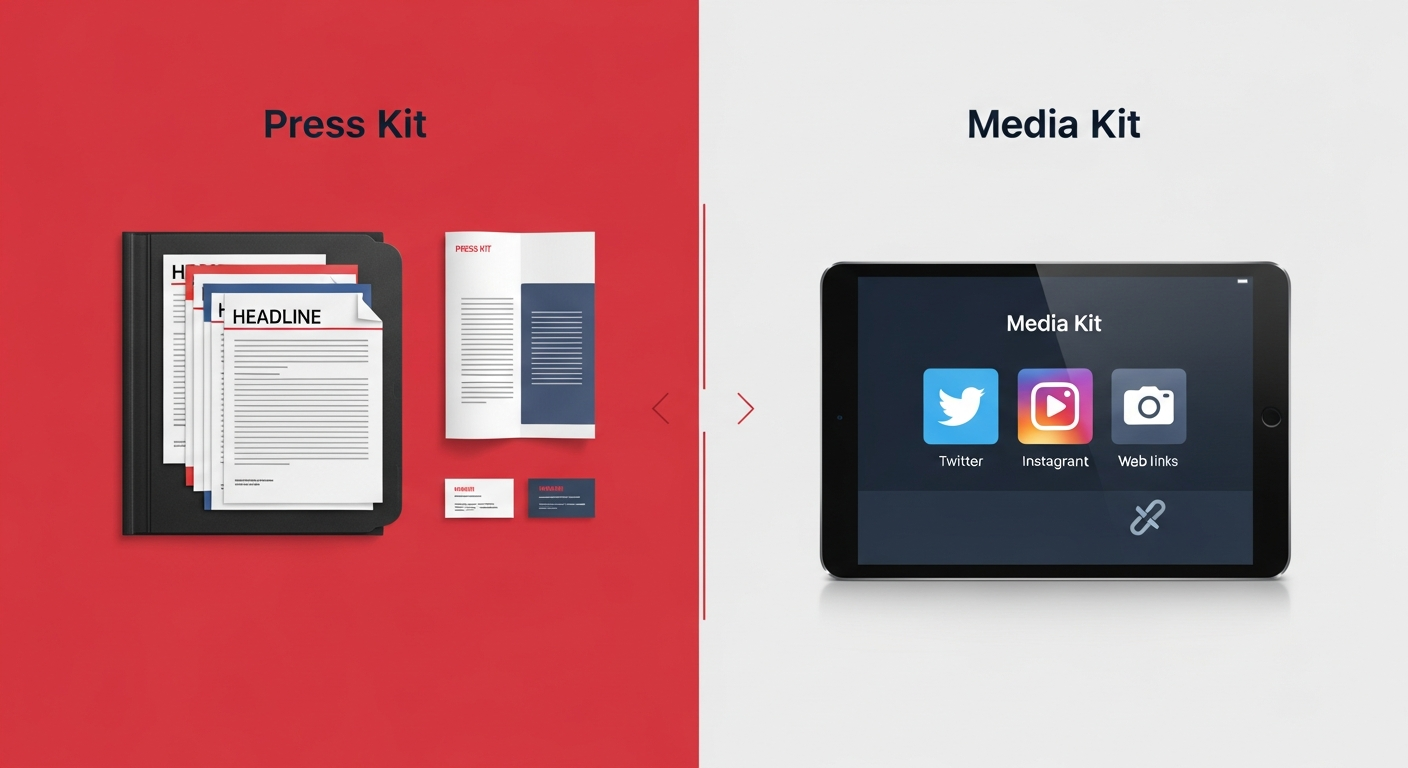
The terms "media kit" and "press kit" are often used interchangeably, and for most practical purposes, they refer to the same thing: a collection of materials for the media. However, some distinctions exist. Historically, a "press kit" might have been a physical folder distributed at events, containing press releases and company brochures. A "media kit" often implies a broader, more modern, and frequently digital approach, encompassing a wider range of assets like high-resolution images, video links, social media stats, and detailed bios.
For our audience – solo consultants, small business owners, startup founders, and creators – focusing on a comprehensive, digital "media kit" is the most practical and effective strategy. It ensures you provide all the necessary resources for today's diverse media landscape, from traditional journalists to digital content creators.
Leveraging Your Interviews for Media-Ready Content
One of the most valuable resources you have for crafting a media kit is your own voice and expertise. Platforms like ToniPR are specifically designed to help you capture this. By recording answers to PR-style interview questions, you generate authentic, founder-friendly content that can be directly repurposed into various media-ready outputs: compelling quotes, insightful LinkedIn posts, foundational article drafts, and even detailed bio elements.
This interview-led storytelling approach provides the raw material for a robust media kit, ensuring that your core messages are consistent, credible, and genuinely reflect your brand's ethos. Discover how ToniPR helps turn your interviews into press-ready content for your brand, providing the authentic voice and detailed information you need to fill out your media kit.
The Essential Components of a Powerful Media Kit
A truly compelling media kit isn't just a jumble of documents; it's a strategically organized narrative that speaks volumes about your brand. Here are the essential media kit components every founder, consultant, and small business should include.
Your Brand Story & Mission Statement
This is the soul of your kit. Your brand story should be authentic, compelling, and resonate deeply with your audience. It's not just about what you do, but why you do it, what problem you solve, and the vision that drives you. A strong narrative differentiates you from competitors and makes your brand memorable. Include a concise, impactful mission statement that encapsulates your purpose.
Learning how to craft an authentic brand story is a cornerstone of any compelling media kit. It sets the emotional tone and provides context for all other information, drawing journalists and readers into your world.
Company Overview & Fast Facts
Provide a concise, easy-to-read overview of your company, including its founding date, location, industry, and core offerings. Follow this with "fast facts" or key milestones. These bullet points should give a journalist a quick snapshot of your business, its trajectory, and its impact. Think about the most impressive, quantifiable achievements or unique aspects of your brand that can be digested at a glance.
Leadership Bios & High-Resolution Headshots
People connect with people. Professional bios for key leadership (especially founders) are crucial. These shouldn't just be résumés; they should highlight relevant expertise, passion, and the unique journey that led to your brand's creation. Emphasize their vision and contributions. Accompany these bios with high-quality, professional headshots. These visuals add a personal touch and make your brand more relatable and trustworthy.
Understanding how to build strong founder credibility is a vital element to highlight in your media kit, showcasing the expertise and authority behind your brand.
Key Messages & Talking Points
Journalists are often looking for specific angles and quotable insights. Clearly articulate your brand's key messages – the core ideas you want to convey about your value proposition, differentiators, and impact. Provide a list of talking points that leaders can use in interviews. This guidance helps ensure consistent messaging and makes it easier for media to accurately represent your brand's perspective.
Press Releases & Media Coverage Highlights
Compile your most recent and impactful press releases, especially those announcing significant news like product launches, funding rounds, or major partnerships. Additionally, include links or snippets of previous media coverage where your brand has been featured. This section provides social proof and demonstrates your brand's newsworthiness. It shows journalists that others have already found your story compelling.
Mastering the art of crafting compelling press releases is a key skill, as they are a foundational asset often included in your media kit and can significantly influence media interest.
High-Resolution Visual Assets
Visuals are non-negotiable in today's media landscape. Your media kit must include a diverse range of high-resolution visual assets. This includes:
- Logos: In various formats (PNG, JPG, SVG) and orientations (horizontal, vertical) with transparent backgrounds.
- Product Images: High-quality shots of your products or services in action, lifestyle shots, and clean product photography.
- Team Photos: Professional group shots or candid shots showing your team at work.
- Infographics & Charts: Visual representations of data, market insights, or your solution's impact.
- Brand Guidelines (Optional but Recommended): A brief overview of your brand's visual identity, including color palettes and typography, ensures consistent representation.
Testimonials, Case Studies & Awards
Strengthen your credibility with real-world evidence of your impact. Include compelling customer testimonials, short case studies demonstrating how your product or service solves problems, and any awards or industry recognitions your brand has received. These elements provide third-party validation and underscore your brand's value and success.
Contact Information
This may seem obvious, but it's often overlooked or buried. Ensure all necessary contact information for media inquiries is prominently displayed. This should include a dedicated media contact person (or role), email address, and phone number. Make it clear and easy for journalists to reach the right person quickly.
Crafting Your Brand's Unique Narrative Within Your Media Kit
Beyond simply listing facts, a truly effective media kit tells a story. It’s about more than just presenting information; it's about brand storytelling media kit creation that captivates and informs. This is where your brand's personality, purpose, and unique impact come to life.
Identifying Your Core Message and 'Why'
To move beyond dry facts, you must identify the core message that defines your brand's purpose and impact. What is the single most important thing you want journalists and their audience to understand about your brand? What problem do you solve? What vision do you pursue? What value do you consistently bring to your customers? Articulating this 'why' provides the emotional and intellectual anchor for your entire media kit, making it resonate more deeply.
This core message should permeate every section, from your company overview to your key messages, ensuring a coherent and compelling narrative throughout your efforts in crafting a media kit.
Weaving Your Interview Content into Your Kit
One of the most authentic ways to infuse your media kit with your brand's unique voice is by leveraging content directly from your recorded interviews. Platforms like ToniPR allow you to capture your insights and perspectives in a genuine, unscripted manner. You can extract direct quotes, nuanced explanations of your vision, and personal anecdotes from these interviews to enrich your leadership bios, "about us" sections, and key message points.
This approach ensures that your media kit speaks with an authentic founder voice and perspective, rather than generic corporate speak. It adds a layer of credibility and personality that boilerplate language simply cannot achieve, making your brand more relatable and trustworthy to media professionals.
Showcasing Impact Over Features
While it’s important to list what your product or service does, a truly compelling narrative focuses on the impact it creates. Instead of just detailing features, describe the real-world benefits, the problems you solve for customers, and the positive changes your brand brings. Quantify this impact whenever possible – "helped businesses save X hours per week," "increased customer engagement by Y%," or "empowered Z individuals." This shifts the focus from 'what' to 'so what?', making your story far more engaging and relevant to a wider audience.
Tailoring Your Story for Different Media
While your core message remains consistent, the way you present elements of your story can be tailored for different media outlets or industry focuses. A tech journalist might be interested in the innovation behind your product, while a lifestyle blogger might focus on its ease of use and everyday benefits. A business reporter might emphasize your market disruption or growth trajectory. Consider creating slight variations or providing additional context points within your media kit that allow you to highlight specific aspects of your brand's narrative depending on the target publication or platform, without compromising authenticity or overall brand identity.
Practical Tips for Building and Distributing Your Digital Media Kit
Once you've diligently worked on crafting a media kit, the next crucial step is ensuring it's accessible and effectively distributed. A well-designed kit is only powerful if it reaches the right hands at the right time. This section focuses on the practicalities of managing your digital press kit.
Choosing the Right Format: PDF, Webpage, or Both?
When it comes to format, you have a few options, each with its advantages.
- Downloadable PDF: This is a traditional and highly portable option. It ensures your kit maintains its design and formatting across different devices. It's excellent for emailing directly or offering as a single download.
- Dedicated Webpage/Press Page: A section on your website (e.g., yourdomain.com/press or yourdomain.com/media) is often the most dynamic and comprehensive solution. It allows for easy updates, integrates multimedia (videos, interactive elements), and provides direct links to resources.
- Combination: Often, the best approach is to have a dedicated press page on your website that hosts all your assets, along with a condensed, downloadable PDF version for quick sharing. This offers maximum accessibility and flexibility.
Making Your Media Kit Easily Accessible
Regardless of the format, your media kit must be easily discoverable. The most common and effective practice is to include a clear link to your media kit or press page prominently on your website. This link is usually found in the footer, in the main navigation menu (under "About Us" or "News"), or on a dedicated "Contact" page. The goal is to make it effortless for anyone seeking information about your brand to find what they need without extensive searching.
Ensure the URL is simple and intuitive (e.g., yourcompany.com/media-kit). All assets within the kit should also be clearly labeled and easy to download individually, not just as one large zip file.
When and How to Share Your Media Kit
Your media kit isn't just a static document; it's a dynamic tool for outreach. Understand when and how to proactively share it:
- In Response to Inquiries: Always have it ready to send when a journalist or event organizer asks for more information about your brand.
- Within Pitches: When you're pitching a story idea, event participation, or interview, include a link to your media kit. It provides crucial context and supports your pitch.
- As a General Resource: Make it clear on your website that your media kit is available for review by anyone interested in featuring your brand.
Keeping Your Media Kit Updated
A stale media kit is a missed opportunity. Your brand is constantly evolving, and your media kit should reflect that. Regularly review and update your media kit to incorporate:
- New product launches or service offerings.
- Significant achievements, awards, or milestones.
- Updates to leadership bios or team photos.
- New press releases or significant media mentions.
- Refined key messages or talking points.
Integrating Your Media Kit into Your LinkedIn Strategy
LinkedIn is a powerful platform for professional networking and visibility. Your media kit can play a significant role in enhancing your presence there.
- Profile Integration: Link to your media kit from your LinkedIn profile's "About" section or "Featured" section. This instantly provides a comprehensive overview for anyone researching you or your company.
- Content Creation: Use the content within your media kit – quotes, statistics, company insights – to inform your LinkedIn posts. This ensures consistency in your messaging and reinforces your brand's narrative.
- Networking: When connecting with journalists or industry influencers on LinkedIn, you can subtly direct them to your media kit if it's relevant to the conversation, offering them a deeper dive into your brand.
Media Kit Examples and Best Practices for Startups & Small Businesses
For startups, solo consultants, and small businesses, the challenge of crafting a media kit often comes with limited resources. However, you don't need a massive budget to create an impactful one. The focus should be on clarity, authenticity, and strategic content, rather than flashy design for the sake of it. Here are some insights on what makes a media kit truly shine, along with common pitfalls to avoid, especially for smaller entities.
What Makes a Media Kit Stand Out?
A compelling media kit, especially for a smaller operation, is characterized by several key traits:
- Clarity and Conciseness: Journalists are busy. They need to quickly grasp who you are, what you do, and why it matters. Avoid jargon and get straight to the point.
- Visual Appeal: Even simple, clean design can make a big difference. Use good quality images, consistent branding, and easy-to-read layouts. You don't need a professional designer for every element; free tools can help you create polished visuals.
- Strong Narrative: It tells a coherent, engaging story, even with limited resources. Your passion and purpose should shine through.
- Easy Access: All content is clearly labeled and easy to download, ideally from a single, dedicated web page.
- Credibility: Back up claims with data, testimonials, and clear explanations of impact.
Common Pitfalls to Avoid
Even with the best intentions, it's easy to make mistakes. Here are common pitfalls to steer clear of:
- Overwhelming Information: Don't dump every single piece of information you have into the kit. Curate and prioritize.
- Jargon Overload: Avoid industry-specific jargon that an outsider might not understand. Write for a broad audience.
- Overly Promotional Tone: While it's about your brand, it shouldn't read like a sales pitch. Journalists are looking for news, stories, and insights, not advertisements.
- Low-Resolution or Outdated Visuals: Pixelated logos or old headshots undermine professionalism.
- Missing Key Information: Ensure all essential components (like contact info or leadership bios) are present and easy to find.
- Lack of Updates: A media kit that hasn't been touched in years signals a lack of engagement or relevance.
Leveraging Your Niche and Expertise
As a solo consultant, small business, or startup, you might feel overshadowed by larger corporations. However, your niche and specialized expertise are your superpower. Highlight what makes you unique, the specific problems you solve, and the genuine impact you're making within your focused area. Journalists often seek out fresh perspectives and deep insights from specialists, so emphasize your thought leadership in your chosen field. Your unique story and perspective are often more compelling than generic corporate announcements.
Simple, Effective Media Kit Structures
You don't need to reinvent the wheel. Draw inspiration from effective media kit examples (without needing to copy large corporate examples) by focusing on authenticity and problem-solving. A simple, effective structure often includes:
- A brief, engaging "About Us" section (your brand story).
- A "Who We Are" section (leadership bios and headshots).
- A "What We Do" section (company overview, key messages, solutions).
- A "Proof Points" section (testimonials, case studies, media mentions).
- A "Resources" section (high-res visuals, press releases).
- A prominent "Contact" section.
Frequently Asked Questions
What should be included in a basic media kit?
A basic, yet effective, media kit should include your brand story and mission statement, a concise company overview with fast facts, professional bios and high-resolution headshots of key leadership (especially founders), your core key messages and talking points, a selection of recent press releases or significant media coverage highlights, essential high-resolution visual assets (logos, product images), and clear contact information for media inquiries. For added credibility, also include testimonials or brief case studies if available.
How can a small business or startup create a compelling media kit without a large budget?
Creating a compelling media kit on a budget is entirely achievable by focusing on content and clarity over elaborate design. Start by leveraging your existing content: repurpose interview answers into quotes and bio snippets, use customer testimonials, and gather any existing high-quality photos. Utilize free or affordable online design tools (like Canva) for layout and basic graphic design. Focus on telling an authentic, impactful story. Your unique niche and expertise are your most valuable assets, so highlight them clearly. A well-organized, text-heavy PDF or a simple dedicated page on your website can be just as effective as a costly, custom-designed kit if the content is strong and relevant.
What's the best way to distribute my media kit to journalists?
The best way to distribute your media kit is to make it easily accessible and share it proactively when relevant. Host your digital media kit on a dedicated "Press" or "Media" page on your website, ensuring it's linked from your site's footer or navigation. When pitching to journalists, include a direct link to your media kit in your email or message. You can also offer it as a downloadable PDF attachment upon request or when responding to media inquiries. Ensure the link is clear, and the assets are easy to download without requiring sign-ups or complex navigation. Integrating it into your LinkedIn profile can also help journalists and contacts discover it.
Is a media kit the same as a press kit?
While often used interchangeably, a media kit and a press kit refer to essentially the same collection of materials designed for media professionals. Historically, "press kit" might have implied a physical folder of documents for print media. "Media kit" is a more modern term that often emphasizes a digital format and a broader scope, including assets for various types of media (print, online, broadcast, social). For most solo consultants, small business owners, and startups today, focusing on creating a comprehensive digital "media kit" is the most practical approach to cover all bases for current media needs.