
For solo consultants, startup founders, small business owners, and creators, the pressure to consistently publish high-quality content is a constant, often overwhelming, challenge. You know that visibility is crucial for growth, but finding the time and resources to produce content that truly resonates and builds credibility can feel like an impossible task. The "creator's dilemma" isn't just about showing up; it's about showing up with substance, authenticity, and a steady rhythm that keeps your audience engaged and your authority growing.
This isn't about chasing viral trends or making empty promises of overnight success. It's about building a sustainable, ethical content strategy that leverages your unique expertise, respects your limited time, and delivers genuine value to your audience. Let's break down how to overcome this dilemma and turn your insights into a powerful, consistent stream of credible content.
The Foundation: Why Consistency and Quality Go Hand-in-Hand
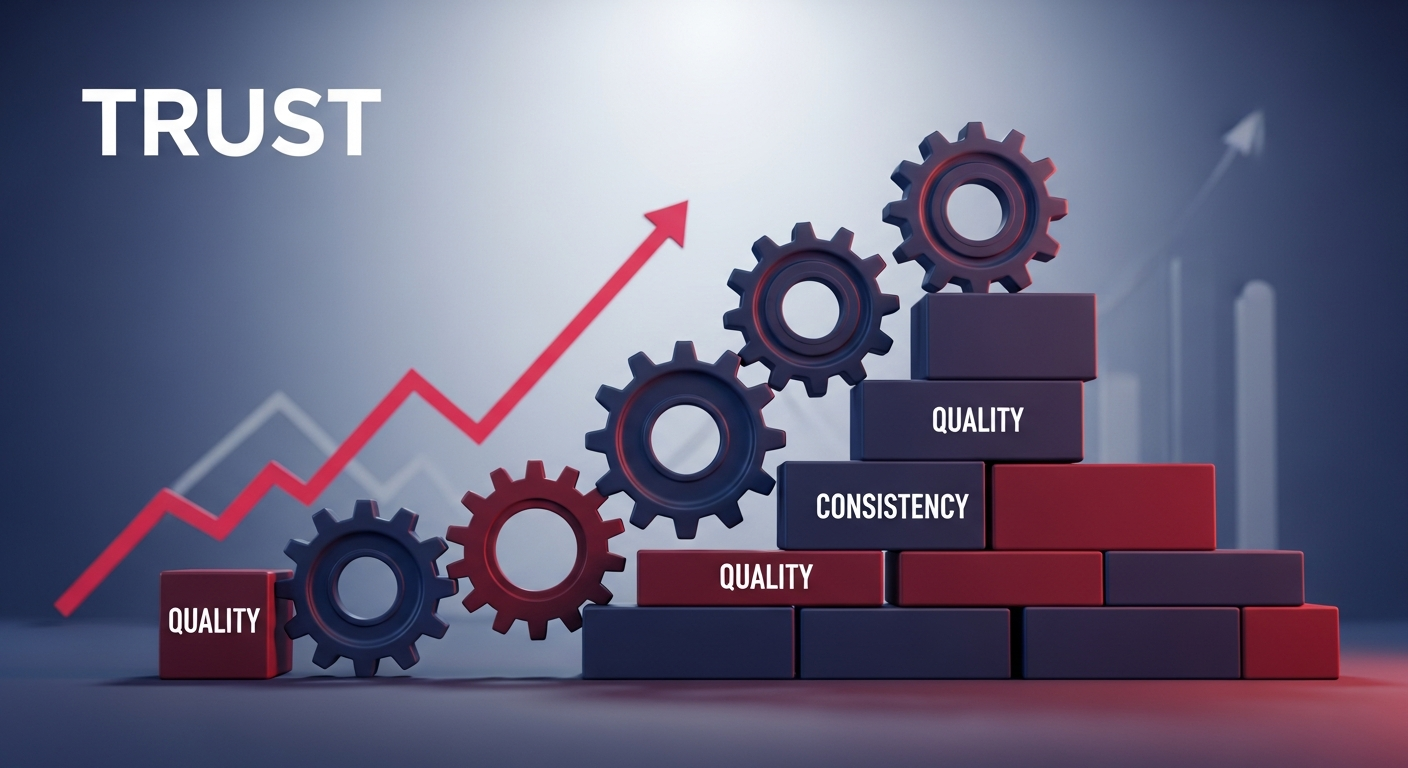
In the crowded digital landscape, simply having great ideas isn't enough. Your audience, and the algorithms that help them find you, reward both the excellence of your message and the reliability of its delivery. Think of it as building a long-term relationship: trust is forged through consistent, valuable interactions.
The Credibility Dividend: Building Trust with Every Post
Every piece of content you publish is an opportunity to reinforce your expertise and build trust. When you consistently deliver well-researched, insightful, and helpful content, you signal to your audience that you are a reliable source of information. This isn't just about being present; it's about being present with purpose. High-quality content establishes you as an authority, making your audience more likely to seek your advice, engage with your services, or purchase your products.
Beyond the Algorithm: Why Humans Value Predictability
While algorithms certainly favor consistent publishing schedules, the human element is even more critical. Your audience craves predictability. When they know they can expect valuable insights from you on a regular basis, they are more likely to subscribe, follow, and return. This predictability fosters anticipation and loyalty, turning casual readers into dedicated followers. It builds a habit of consumption around your brand, making you a go-to resource in their minds.
The Cost of Inconsistency: Lost Momentum and Missed Opportunities
The inverse is also true: inconsistency can be costly. Sporadic publishing can lead to lost momentum, eroding the trust and engagement you've worked hard to build. Audiences forget, algorithms deprioritize, and your hard-earned visibility diminishes. Each missed publication is a missed opportunity to connect, educate, and convert. Forbes highlights this, stating that "maintaining a consistent voice, tone, and publishing schedule is crucial for building credibility, reputation, and brand trust." This directly supports our belief that establishing authority hinges on your ability to deliver reliably. For more on this, check out Why Content Consistency Is Key To Your Marketing Strategy.
Deconstructing 'High-Quality': What It Really Means for Your Audience
The term "high-quality" can feel subjective, but for your audience, it boils down to something very concrete: value. Quality content isn't just well-written; it's content that genuinely helps, informs, or inspires them to take action.
Solving Real Problems: Content That Delivers Value
Truly high-quality content addresses your audience's specific pain points, answers their burning questions, and offers actionable solutions. It moves beyond superficial advice, diving into the nuances of their challenges and providing clear, practical guidance. When your content consistently solves real problems, it becomes indispensable. This is about empathy: understanding your audience's struggles and offering a genuine path forward.
Authentic Voice and Expertise: Your Unique Perspective
Your unique perspective, shaped by your experiences and insights, is your most valuable asset. High-quality content is infused with your authentic voice and genuine expertise. It's not about regurgitating common knowledge but sharing your distinct take, your lessons learned, and your nuanced understanding. This authenticity is what differentiates you from others in your field and allows you to connect on a deeper level. Interview-led content, for instance, is a powerful way to capture these authentic insights and perspectives, making your content more relatable and impactful. It allows your true voice to shine through, building a stronger connection with your audience.
Data-Driven Insights vs. Opinion: Backing Up Your Claims
While your unique perspective is vital, high-quality content often blends personal expertise with credible data and evidence. Backing up your claims with relevant statistics, case studies, or expert opinions lends significant weight to your message. This doesn't mean every post needs to be a research paper, but where appropriate, grounding your insights in verifiable information elevates your content from mere opinion to authoritative thought leadership. This approach is fundamental to maximizing your expertise and establishing yourself as a credible voice. Learn more about leveraging your expertise through thought leadership in Maximizing Your Expertise: Thought Leadership for Non-Marketers.
Building a Sustainable Content Creation Workflow (Without Burnout)
The biggest hurdle for solo creators and small businesses is often time. How do you maintain both consistency and quality without sacrificing your entire week to content creation? The answer lies in building an efficient, sustainable workflow.
Strategic Planning and Content Calendars: Your Roadmap to Consistency
Don't leave content creation to chance. A well-planned content calendar is your roadmap to consistency. It allows you to brainstorm topics in advance, align content with your business goals, and allocate time effectively. Start by mapping out key themes, events, or product launches, then fill in specific content ideas. This proactive approach reduces last-minute stress and ensures a steady flow of relevant content. It's about working smarter, not harder. For a comprehensive guide to building this strategy, refer to The Business Owner's Guide to Consistent Content Creation.
Batching and Focused Work: Maximizing Your Time
One of the most effective strategies for time-strapped professionals is batching. Instead of creating one piece of content from start to finish, dedicate specific blocks of time to similar tasks. For example, one day you might brainstorm all your ideas for the month, another day you draft all your outlines, and another you write several articles. This minimizes context-switching, which is a major time drain, and allows for deeper focus. Similarly, setting aside dedicated "focus blocks" for content creation, free from distractions, can dramatically improve efficiency and quality. Consultants, in particular, can benefit from these strategies; explore more in The Consultant's Guide to Consistent Content When You Have No Time.
Leveraging Tools: Streamlining Content Generation
You don't need a full content team to streamline your process. Many tools are available to help with everything from idea generation and research to writing assistance and scheduling. AI-powered tools, for instance, can help refine your ideas, generate outlines, or even draft initial content segments, freeing you to focus on adding your unique insights and polish. The goal isn't to replace your voice but to augment your efficiency. Even just 15 minutes a day can make a significant difference. Discover practical strategies for integrating content tasks into your routine with Content Strategy for Time-Strapped Business Owners: A 15-Minute Daily Plan.
The Power of Repurposing: Maximizing Every Piece of Content
One of the most impactful strategies for maintaining consistency and quality without burning out is intelligent content repurposing. You've invested time and effort into creating a valuable piece of content; now, make it work harder for you across multiple platforms.
From Interview to Multi-Platform Assets: The ToniPR Advantage
Imagine conducting a single in-depth interview about your expertise. That conversation is a goldmine of insights. With smart repurposing, that one interview can become:
- A series of LinkedIn posts highlighting key takeaways.
- Several compelling quotes for social media graphics.
- A full-length blog post or article expanding on core themes.
- An FAQ section for your website.
- A segment for a podcast or video.
Smart Content Transformation: Reaching New Audiences
Repurposing isn't just about changing formats; it's about adapting your message for different platforms and audience segments. A detailed article might be distilled into a concise infographic for Instagram, or a series of tactical tips for a Twitter thread. Each platform has its own language and audience expectations. By transforming your core message into various formats, you expand your reach, engage different segments of your audience where they prefer to consume content, and reinforce your key messages across your digital footprint.
Maintaining Quality Across Formats: Best Practices
The key to effective repurposing is maintaining the original quality and credibility. Each repurposed piece should stand alone as valuable content, not just a diluted version of the original. This means:
- Retain Core Value: Ensure the main takeaway or actionable advice is clear in every format.
- Adapt, Don't Just Copy: Tailor the language, tone, and visual style to suit the new platform.
- Proofread & Refine: Treat repurposed content with the same editorial rigor as original pieces.
- Link Back: Always link back to the original, more comprehensive content when appropriate, to provide further value and improve SEO.
Measuring Impact and Iterating for Continuous Improvement
Creating content isn't a one-and-done activity. To truly excel, you need to understand what's working, what's not, and how to adapt your strategy for continuous improvement.
Beyond Vanity Metrics: What to Actually Track
It's easy to get caught up in vanity metrics like page views or likes. While these can offer a superficial sense of success, focus on metrics that truly reflect content effectiveness. These include:
- Engagement Rate: Comments, shares, time spent on page – these indicate how deeply your audience is connecting with your content.
- Lead Generation/Conversions: How many sign-ups, downloads, or direct inquiries did a piece of content generate?
- Audience Growth: Are your subscribers or followers increasing over time, and is this growth sustained?
- Qualitative Feedback: What are people saying in comments, DMs, or direct conversations about your content?
Listening to Your Audience: Feedback Loops and Engagement
Your audience is your best guide. Actively solicit feedback through polls, Q&A sessions, or direct questions in your content. Pay attention to comments and direct messages. What questions are they asking? What topics do they want to know more about? This direct feedback is invaluable for refining your content strategy, ensuring you're always addressing their most pressing needs and interests. Engaging in conversations around your content also builds community and strengthens loyalty.
Adapting Your Strategy: The Agile Content Creator
Embrace an iterative approach to content creation. Your strategy shouldn't be set in stone. Based on the metrics you track and the feedback you receive, be prepared to adjust your content topics, formats, publishing frequency, or even your core messaging. This agility allows you to stay relevant, respond to market changes, and continuously improve your content's effectiveness. By consistently learning and adapting, you build a content strategy that is resilient and impactful, always aligning with your audience's evolving needs. Remember, ethical PR habits, which include transparency and responsiveness, are foundational to building long-term credibility.
Frequently Asked Questions
How can solo creators maintain content quality without a full-time content team?
Solo creators can maintain high content quality by focusing on their unique expertise, strategically planning content with a calendar, and leveraging efficient workflows like batching and repurposing. Instead of trying to do everything, focus on creating one core, high-value piece of content (like an in-depth interview or article) and then intelligently transforming it into multiple formats. Tools, particularly AI-powered ones like ToniPR, can significantly streamline the creation of diverse outputs from a single source, freeing you to focus on adding your unique insights and polishing the final product.
What's the fastest way for founders and consultants to turn their expertise into publishable, high-quality content?
The fastest way is through an interview-led approach. Founders and consultants often have deep knowledge but lack the time or inclination to sit down and write extensive articles. By conducting a focused, PR-style interview (either with a human interviewer or an AI tool like ToniPR), their expertise can be quickly captured. This raw interview content can then be efficiently transcribed, edited, and repurposed into blog posts, LinkedIn updates, quotes, and more, significantly reducing the time from insight to publication while maintaining authenticity and quality.
Does content consistency really impact my SEO and thought leadership?
Absolutely. Content consistency is a critical factor for both SEO and thought leadership. Search engines favor websites that regularly publish fresh, relevant content, as it signals an active and authoritative source. Consistent publishing can improve your search rankings and visibility over time. For thought leadership, consistency builds audience expectation and trust. When you reliably deliver valuable insights, you establish yourself as a go-to expert in your field, reinforcing your authority and shaping perceptions over time. Inconsistency, conversely, can lead to lost momentum and diminished visibility.
How often should I publish new content to be considered 'consistent'?
"Consistency" is less about a strict daily or weekly quota and more about establishing a predictable rhythm that you can realistically maintain. For many solo creators and small businesses, publishing high-quality content once a week, or even bi-weekly, is far more effective than sporadic daily posts followed by long silences. The key is to choose a frequency that aligns with your resources and audience expectations, then stick to it. Quality should always take precedence over quantity; it's better to publish fewer, higher-impact pieces consistently than many low-quality, rushed posts.