
Content That Converts: How to Attract Your Ideal Customer
In the crowded digital landscape, simply creating content isn't enough. For B2B founders, consultants, and SMB owners, the goal isn't just visibility; it's about attracting the ideal clients B2B businesses need to thrive. This means producing content that doesn't just get clicks but actively converts viewers into qualified leads and loyal customers. If you're looking for practical strategies to ensure your B2B content that converts, you're in the right place.
At ToniPR, we understand that your expertise is your most valuable asset. Our mission is to help you transform that expertise into credible, press-ready content that resonates with your target audience and drives tangible results, without the need for a full PR team.
Introduction: Beyond Clicks – Why B2B Content Needs to Convert
The B2B Content Challenge: From Noise to Nurture
The internet is awash with information. For businesses operating in the B2B space, cutting through this noise to reach decision-makers is a constant battle. Many fall into the trap of focusing on "vanity metrics" like page views or social media likes, which, while seemingly impressive, don't always translate into business growth. The true challenge lies in shifting from merely broadcasting information to actively nurturing potential clients through valuable, engaging content.
- Understanding the shift from vanity metrics to tangible B2B outcomes: For B2B, a high bounce rate on a blog post might be less concerning than zero demo requests from a landing page. We need to look beyond surface-level engagement.
- Defining what 'conversion' truly means for B2B: In the B2B context, conversion isn't always a direct sale. It often means a qualified lead filling out a contact form, a demo request, a whitepaper download, a newsletter subscription, or a partnership inquiry. These are the micro-conversions that pave the way for major business deals.
- The importance of attracting, not just broadcasting, in the B2B landscape: Your content should act as a magnet, drawing in individuals who genuinely need your solution, rather than just shouting into the void hoping someone hears. This requires a deep understanding of your audience and their specific needs.
Identifying Your Ideal Customer: The Cornerstone of High-Converting Content
Before you write a single word, you must know who you're writing for. This isn't just about targeting a broad industry; it's about understanding the specific individuals within those organizations who make decisions and face the problems your business solves. High-converting content speaks directly to these individuals.
Crafting Detailed B2B Buyer Personas
Your ideal customer is more than just a job title. To truly attract them, you need to delve deeper. Create detailed buyer personas that go beyond basic demographics.
- Go beyond demographics: uncover motivations, challenges, and decision-making processes: What keeps them up at night? What are their professional goals? What obstacles do they face daily? Who influences their purchasing decisions? Understanding these nuances allows you to create content that resonates on a personal and professional level.
- Identify where your ideal clients seek information and solutions: Are they on LinkedIn, industry forums, specific blogs, or attending webinars? Knowing their preferred channels helps you distribute your content effectively.
Mapping the Buyer's Journey and Pain Points
The B2B buyer's journey is rarely linear. It involves multiple stages, from initial awareness of a problem to evaluating solutions and finally making a purchase decision. Your content needs to address each stage thoughtfully.
- Tailoring content to specific stages of the B2B buyer's journey:
- Awareness Stage: Content that identifies a problem your client might not even fully recognize yet. (e.g., blog posts on industry trends, problem-focused articles).
- Consideration Stage: Content that offers solutions to their identified problems, positioning your offering as a viable option. (e.g., how-to guides, comparison articles, expert interviews).
- Decision Stage: Content that helps them make the final choice, demonstrating your value and addressing potential objections. (e.g., case studies, testimonials, product demos, FAQs).
For more insights on attracting the right clients, especially as a consultant, check out our guide on Digital Marketing for Consultants: Attracting High-Paying Clients.
Developing Content That Builds Credibility and Drives Action
Once you know who you're targeting and what their journey looks like, it's time to create the content. This is where your expertise shines, building trust and guiding your audience towards conversion.
Strategic Content Types for B2B Conversion
Not all content is created equal when it comes to B2B conversion. Focus on formats that demonstrate expertise, solve problems, and provide tangible value.
- Focus on problem-solving content:
- How-to guides and tutorials: Position your business as a helpful resource.
- Case studies: Showcase real-world success stories and quantify results.
- Expert interviews: Share insights from industry leaders (including yourself!) to build authority.
- Thought leadership articles: Offer unique perspectives on industry challenges and future trends.
- Whitepapers and eBooks: Provide in-depth solutions in exchange for lead information.
- Provide practical value that educates and empowers your audience: Your content should leave your audience feeling more informed and better equipped to tackle their challenges. This positions you as a trusted advisor, not just a vendor.
The Power of Storytelling in B2B Engagement
While B2B decisions are often data-driven, they are still made by people. Humanizing your brand through authentic storytelling can create a powerful emotional connection that differentiates you from competitors.
- Emphasize authentic storytelling to humanize your brand and build trust: Share your founder's journey, the 'why' behind your business, client success stories, or even challenges you've overcome. Stories make complex B2B solutions relatable and memorable.
As Spire Agency highlights, "The Power of Storytelling in B2B Marketing: Making an Emotional Connection" is crucial for engaging your audience and fostering deeper connections.
Leveraging Interview-Led Content for Authentic Insights
One of the most effective ways to generate high-quality, credible content is through interviews. Your own insights, or those of your clients and industry peers, can be a goldmine.
- Transform your expertise and insights into press-ready content (like quotes, articles, LinkedIn posts) using tools like ToniPR: Instead of struggling to write from scratch, imagine answering a few strategic questions and having AI instantly draft compelling narratives, quotes, and posts. This not only saves time but ensures consistency and a professional polish.
- ToniPR helps founders, consultants, and SMBs articulate their value proposition clearly and consistently, turning raw thoughts into structured content ready for your blog, social media, or even media pitches. Learn more about how we can help you with AI PR interviews.
Developing a strategic content approach is key to maximizing your message. Our Content Strategy for Founders: Maximizing Your Message provides an excellent framework.
Maximizing Reach: Distribution and Repurposing Strategies
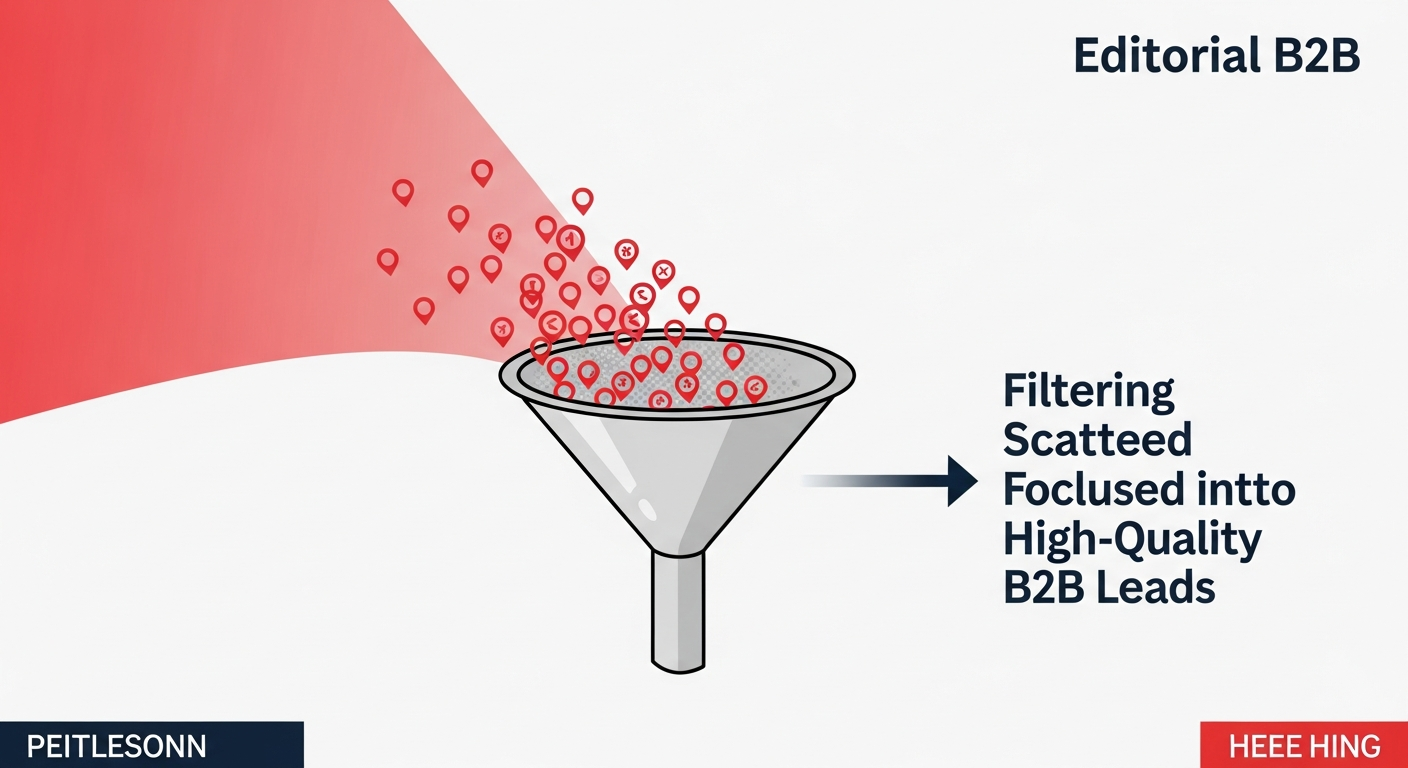
Creating great content is only half the battle. To ensure your B2B content that converts reaches your ideal customers, you need a robust distribution and repurposing strategy.
Strategic Distribution Channels for B2B Content
Focus your efforts where your ideal clients spend their time.
- Prioritize LinkedIn for B2B visibility and engagement: LinkedIn is the undisputed champion for B2B professionals. Share your articles, insights, and engage with relevant groups and individuals. Personal profiles and company pages are both powerful.
- Build and nurture an email list with valuable newsletter content: An email list is a direct line to your audience, free from algorithm changes. Offer exclusive content, early access, and personalized insights to keep them engaged.
- Consider industry-specific forums, podcasts (as a guest or host), and strategic partnerships to expand your reach.
The Art of Content Repurposing and Consistency
You don't need to create entirely new content every day. Smart repurposing maximizes the value of every piece of content you produce.
- Turn long-form content into bite-sized pieces for various platforms:
- An in-depth article can become several LinkedIn posts, a series of tweets, an infographic, a short video script, or even a podcast episode.
- Key quotes from an interview can be pulled out for social media graphics or press releases.
- Establish a consistent content calendar to maintain audience engagement and authority: Regular, predictable content builds anticipation and positions you as a reliable source of information. Consistency signals professionalism and commitment.
For guidance on maintaining a steady flow of valuable content, explore The Business Owner's Guide to Consistent Content Creation. Additionally, learn how to effectively grow your direct audience with Building a Newsletter Audience: Proven Strategies for Creators and Consultants.
Measuring and Optimizing Your Conversion-Focused Content
The work doesn't stop once content is published. To ensure your content strategy for founders is truly effective, you need to track its performance and be willing to adapt.
Key Metrics for B2B Content Success
Move beyond simple views and focus on metrics that indicate genuine interest and progression towards a sale.
- Track beyond vanity metrics: focus on lead quality, engagement rate, conversion rates (e.g., form fills, demo requests): Are the people downloading your whitepaper actually qualified leads? Are they spending significant time on your key solution pages? These are the indicators of content that converts.
- Utilize analytics to understand what resonates and what doesn't: Google Analytics, LinkedIn Analytics, and your CRM data can provide invaluable insights into content performance. Pay attention to which topics drive the most conversions and which content formats perform best.
Iterating for Continuous Improvement
Content marketing is an ongoing process of learning and refinement.
- A/B test headlines, calls-to-action, and content formats: Small tweaks can sometimes lead to significant improvements in conversion rates. Test different approaches to see what resonates most with your audience.
- Gather feedback from your audience to refine your content strategy: Surveys, social media polls, and direct conversations with clients can provide qualitative data that complements your quantitative analytics. Ask what problems they need solved and what information they are seeking.
- Be agile. The B2B landscape is constantly evolving, and your content strategy should evolve with it.
Frequently Asked Questions about B2B Content Conversion
What are the most effective B2B content types for generating qualified leads?
For generating qualified leads in B2B, content types that demonstrate expertise and provide tangible solutions are most effective. These include: case studies showcasing proven results, in-depth whitepapers and eBooks that offer comprehensive solutions to complex problems, expert interviews and thought leadership articles that establish authority, and detailed how-to guides and tutorials that solve specific pain points. Content that requires an exchange of information (like an email address for a download) is particularly useful for lead capture, while content demonstrating ROI helps qualify those leads further.
How can solo consultants and founders build credibility with their content?
Solo consultants and founders can build credibility by consistently sharing their unique expertise and insights. This means:
- Authentic Storytelling: Share your journey, the 'why' behind your business, and personal experiences that shaped your expertise.
- Problem-Solution Focus: Create content that directly addresses your ideal client's biggest challenges, demonstrating how your approach or services provide effective solutions.
- Case Studies and Testimonials: Even if you're solo, showcase client successes (with permission) to provide social proof.
- Thought Leadership: Offer unique perspectives on industry trends, challenge conventional wisdom, or predict future developments.
- Consistent, High-Quality Output: Regular publication of well-researched, insightful content signals professionalism and deep knowledge.
- Leverage Interview-Led Content: Use tools like ToniPR to transform your spoken expertise into polished articles, quotes, and LinkedIn posts, making it easier to consistently share your insights.
What role does authentic storytelling play in B2B content conversion?
Authentic storytelling plays a crucial role in B2B content conversion by humanizing your brand and fostering trust. While B2B decisions are often rational, they are still made by people who respond to genuine narratives. Stories help to:
- Build Emotional Connection: They make complex B2B solutions relatable and memorable.
- Differentiate Your Brand: Your unique story sets you apart from competitors who might offer similar services.
- Illustrate Value: Stories, especially client success stories, can powerfully demonstrate the impact of your work in a way that dry facts cannot.
- Establish Trust: Transparency and authenticity in your narrative build credibility and make potential clients feel more comfortable engaging with you.
How often should B2B businesses publish new content to attract ideal clients?
The ideal frequency for publishing new B2B content depends on your resources, audience, and overall strategy, but consistency is far more important than sheer volume. For most B2B businesses, especially solo consultants and SMBs, aiming for 1-2 high-quality, in-depth pieces of content per week or every other week is a realistic and effective goal. This allows enough time to produce valuable, well-researched material and dedicate effort to promotion. More important than the exact number is maintaining a consistent schedule that your audience can come to expect. You can then repurpose these core pieces into daily or every-other-day social media posts, email snippets, and other shorter formats to maintain a strong presence without constantly creating new long-form content from scratch.